
Recursos
Exploren una amplia gama de recursos valiosos en GCED para profundizar su comprensión y promover su búsqueda, incidencia, enseñanza y aprendizaje.
3,224 resultados encontrados
 Пять государств и/или один регион? : Национально-региональный дуализм в Центральной Азии Año de publicación: 2015 Autor: Farkhod Tolipov | Abdugani Mamatazimov | Elmira Nogoibaeva | Sanat Kushkumbaev | Tamerlan Ibraimov | Galiya Ibragimova | Azina Kushkumbaeva Autor corporativo: Central Asian Studies Целью группы ученых и исследователей "Алматы-клуба", созданного при поддержке Фонда Фридриха Эберта стал анализ и поиск общих решений внутрирегиональных проблем.Эта публикация является результатом работы исследователей 5 стран центральноазиатского региона. Здесь обсуждаются вопросы региональной интеграции и сотрудничества, создания платформы для научных исследований, преодоление геополитического напряжения и стратегической неопределенности, как основных факторов, препятствующих региональным эволюционным процессам.
  The war in our minds: is global citizenship the answer? (Blue Dot issue 1) Año de publicación: 2015 Autor corporativo: Mahatma Gandhi Institute of Education for Peace and Sustainable Development (MGIEP) Feature Global Citizenship Education: A New Educational, Pedagogical and Political Narrative in the World System? (by Carlos A. Torres) In Pursuit of a Global Civics (by Hakan Altinay) Global Citizenship: Necessary and Possible (by Paul and Anne Ehrlich) Cover Story YOUth Speak for a better today and tomorrow (by Piyali Sarkar Debnath, UNESCO MGIEP) Essays Unlocking the Civic Sense of Young Minds (by Karthik Shankar) Shared Home, Shared Hopes and Shared Actions (by Trang T. Nguyen) Redesigning the Education System for Global Citizenship (by Ayodeji Ojo) Youth Voices Who is a global citizen? News What we have been up to UNESCO MGIEP Crossword Event Calendar
  Get Global!: Steps Worksheets Año de publicación: 2003 Autor: Joanne Price Autor corporativo: ActionAid | Oxfam Get Global! is a teachers' guide on how to facilitate active global citizenship. It allows learners to move from thinking about issues that are important to them, to planning and participating in action, and to reflect on their performance, and assess their work. Although aimed at 11-16 year olds, some of the activities could easily be adapted for use with younger learners.
  Get Global!: Assessment & Evaluation Worksheets Año de publicación: 2003 Autor: Joanne Price Autor corporativo: ActionAid | Oxfam Get Global! is a teachers' guide on how to facilitate active global citizenship. It allows learners to move from thinking about issues that are important to them, to planning and participating in action, and to reflect on their performance, and assess their work. Although aimed at 11-16 year olds, some of the activities could easily be adapted for use with younger learners.
 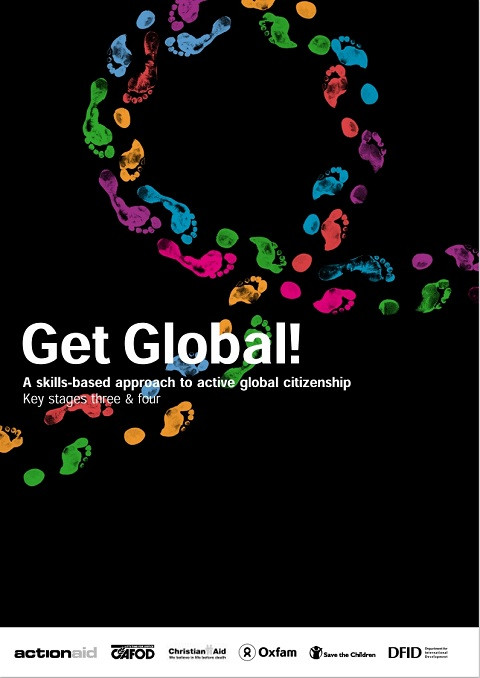 Get Global!: A Skills-based Approach to Active Global Citizenship Año de publicación: 2003 Autor: Joanne Price Autor corporativo: ActionAid | Oxfam Get Global! is a teachers' guide on how to facilitate active global citizenship. It allows learners to move from thinking about issues that are important to them, to planning and participating in action, and to reflect on their performance, and assess their work. Although aimed at 11-16 year olds, some of the activities could easily be adapted for use with younger learners.
 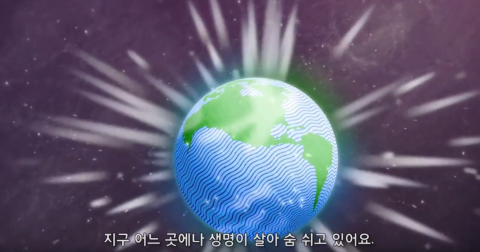 World's Largest Lesson Año de publicación: 2016 Autor corporativo: United Nations Children's Fund (UNICEF) World's Largest Lesson (WLL) is an educational campagin that students participate from all around the world.With this campaign, students can understand SDGs, think about global problems and act for finding solutions. UNICEF provides teaching materials and guides to teachers for participatting World's Largest Lesson.
 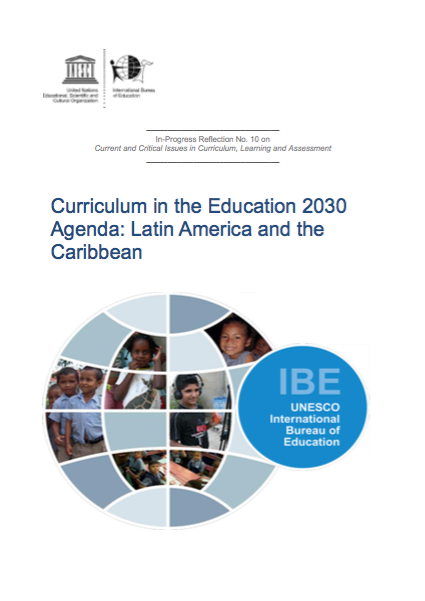 Curriculum in the Education 2030 Agenda: Latin America and the Caribbean Año de publicación: 2017 Autor: Renato Opertti Autor corporativo: UNESCO International Bureau of Education (IBE) “Curriculum in the Education 2030 Agenda: Latin America and the Caribbean”1 discusses the importance of rethinking the curriculum in light of a transformational, humanistic and holistic vision of education. The Education 2030 Agenda, which emerged from the World Education Forum (WEF) 2015 held in Incheon, Republic of Korea, positions curriculum as a powerful education policy tool leading the way to effective, relevant and sustainable learning opportunities, processes and outcomes. Curricula have a positive effect as levers for the sustainable, inclusive, fair and cohesive development of a country. They reflect and help to construct the type of society envisioned. The article provides recommendations to strengthen the positioning of curriculum toward an inclusive and equitable quality education in Latin America and the Caribbean. It therefore addresses the following questions: 1) How is curriculum currently conceived?; 2) What role does it play in the reforms aimed at improving equity and quality of the learning processes?; 3) What are the main regional challenges in relation to curriculum development?; and 4) How could countries align their curricula with their development needs?
 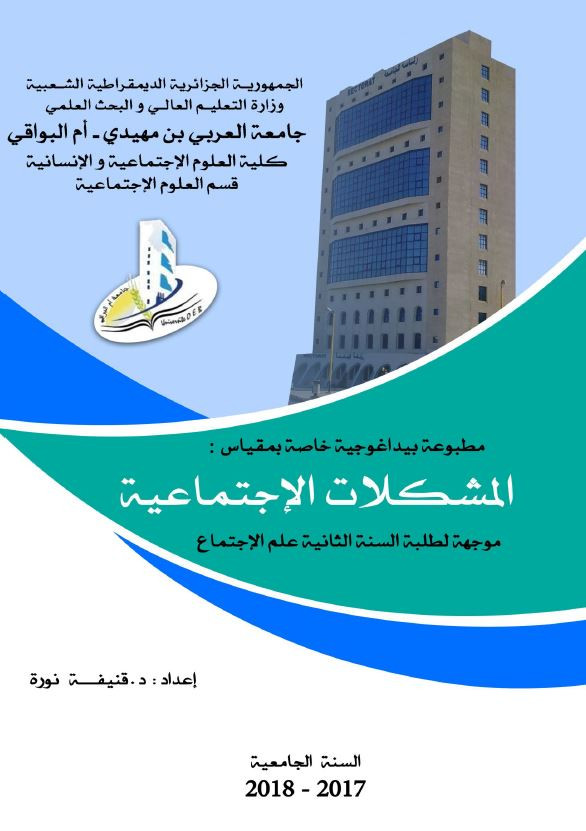 Pedagogical Publications on the Scale: Social Problems Año de publicación: 2018 Autor corporativo: Ghardaïa University. Faculty of Social and Human Sciences The document introduces and analyzes the axes of the scale of social problems. This publication is directed to students of the second year of specialization in sociology. The publication includes the knowledge content and theoretical aspects in a group of lectures. In general, the publication contains a set of objectives that highlight the role of sociology in presenting, analyzing and treating social problems. مطبوعات بيداغوجية خاصة بمقياس: المشكلات الاجتماعية Año de publicación: 2018 Autor corporativo: Ghardaïa University. Faculty of Social and Human Sciences يقدم المستند ويحلل محاور مقياس المشكلات الاجتماعية. وهذا المطبوع موجه لطلبة السنة الثانية من تخصص علم الاجتماع. ويتضمن المطبوع المضمون المعرفي والجوانب النظرية في مجموعة من المحاضرات. عموما المطبوع يحتوي على مجموعة من الأهداف تبرز دور علم الاجتماع في طرح وتحليل ومعالجة المشكلات الاجتماعية.
 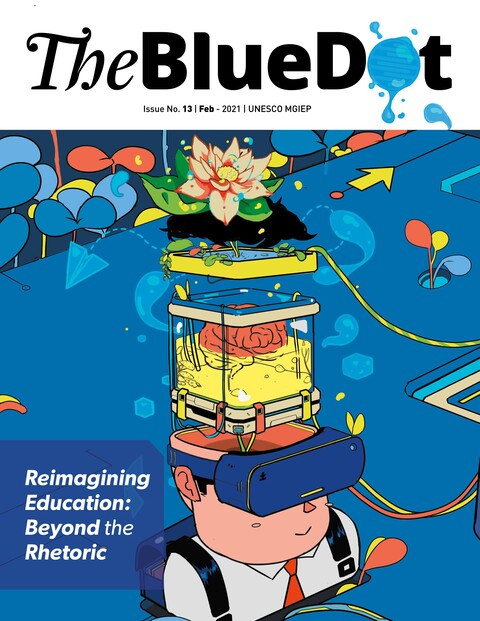 Reimagining Education: Beyond the Rhetoric (The Blue Dot; No.13, 2021) Año de publicación: 2021 Autor corporativo: Mahatma Gandhi Institute of Education for Peace and Sustainable Development (MGIEP) The events of the year 2020, driven predominantly by the COVID-19 pandemic, have forced governments, policymakers, educators and organisations to rethink the purpose, structure and modality of existing education systems. Even while the world is struggling with climate change, decreased empathy, violent extremism, xenophobia and an increase in mental health issues in children, with a recent report by WHO highlighting that 800,000 people between the ages of 15-29 are dying by suicide ever year, globally1 , the COVID-19 virus singlehandedly shut down access to face-to-face school education for roughly half of the world’s student population. These ongoing and unexpected challenges bring to light the urgent need for education systems to be more adaptable, responsive, and resilient to future shocks and disasters. We can work to transform education in many ways, such as by translating our understanding of how the brain learns from the research laboratory to the classroom and leveraging the power of technology to ensure that learning can reach every child who hungers to learn. It is time we reimagine education to ensure learning continues with minimal disruption but also empowers students as compassionate human beings, prepared for an unpredictable future, but also as global citizens seeking a peaceful and kinder world. The purpose of education needs to change from being instrumental (based on human capital) to one that is constitutive (human-flourishing), accessible to all and structured such that learning can happen anytime and anywhere and always.