
Recursos
Exploren una amplia gama de recursos valiosos en GCED para profundizar su comprensión y promover su búsqueda, incidencia, enseñanza y aprendizaje.
684 resultados encontrados
 Насильственный экстремизм в Центральной Азии, 2018: обзор террористических групп, законодательства стран ЦА и правоприменительной практики по противодействию насильственному экстремизму онлайн Año de publicación: 2018 Autor corporativo: Civil Initiative on Internet Policy | SecDev Исследование проведено совместно с общественным фондом «Гражданская инициатива интернет - политики» и организацией The SecDev Group в рамках проекта «Содействие стабильности и миру в Центральной Азии посредством повышения медиа-грамотности, эффективного освещения и регионального сотрудничества», финансируемого Европейским союзом и реализуемого Интерньюс. Содержание этого исследования является исключительной ответственностью организации The SecDev Group и общественного фонда «Гражданская инициатива интернет-политики» и ни при каких обстоятельствах не отражает позицию Европейского Союза и Интерньюс.
  المواطنة في العصر الرقمي: نموذج مملكة البحرين Año de publicación: 2017 Autor: ندى علي حسن بن شمس Autor corporativo: معهد البحرين للتنمية السياسية البحث يجيب عن التساؤل الرئيس التالي: ما فعالية برنامج مقترح قائم على الشبكة العالمية لتنمية قيم المواطنة لطالب جامعة البحرين في ضوء متطلبات العصر الرقمي؟ ويتفرع من التساؤل الرئيس للبحث التساؤلات الفرعية الآتية: 1 -ما قائمة قيم المواطنة اللازمة لطالب جامعة البحرين في ضوء متطلبات العصر الرقمي؟ 2 -ما صورة البرنامج المقترح القائم على الشبكة العالمية) بالأنشطة الحوارية – بدون الأنشطة الحوارية( لتنمية قيم المواطنة لطالب جامعة البحرين في ضوء متطلبات العصر الرقمي؟ 3 –ما فعالية البرنامج المقترح القائم على الشبكة العالمية بصورتيه )بالأنشطة الحوارية – بدون الأنشطة الحوارية( لتنمية قيم المواطنة لطالب جامعة البحرين في ضوء متطلبات العصر الرقمي؟ Citizenship in the Digital Age: The Model of the Kingdom of Bahrain Año de publicación: 2017 Autor: ندى علي حسن بن شمس Autor corporativo: معهد البحرين للتنمية السياسية The research answers the following main question: What is the effectiveness of a proposed program based on the global network for developing citizenship values for students of the University of Bahrain in light of the requirements of the digital age? The main question of the research is divided into the following sub-questions: 1- What is the list of citizenship values required for a student at the University of Bahrain in light of the requirements of the digital age? 2- What is the image of the proposed program based on the global network (with dialogue activities - without the dialogue activities) to develop citizenship values for students of the University of Bahrain in light of the requirements of the digital age? 3 - What is the effectiveness of the proposed program based on the global network in its two forms (with dialogue activities - without the dialogue activities) to develop Citizenship values for a University of Bahrain student in light of the requirements of the digital age?
  Global Citizenship in a Digital World (The MILID Yearbook, 2014) Año de publicación: 2014 Autor: Sherri Hope Culver | Paulette Kerr Autor corporativo: International Clearinghouse on Children, Youth and Media (Sweden) | NORDICOM | University of Gothenburg The theme of the 2014 Yearbook is Global Citizenship in a Digital World. Global citizenship assumes ease of participation in global spaces in which persons are media and information literate and are equipped with competencies and attitudes to deal with the multi-faceted nature of a mediated world in which information is no longer bound by space or time. The unprecedented access to and use of media and Internet technologies for communication and collaboration especially among youth, suggest that effective strategies must be found to enable active critical inquiry and effective media production. The proliferation of mediated spaces throughout education environments, as well as personal and professional environments, does not in itself guarantee that citizens will consider their role as global citizens as they create and consume media. This awareness must be cultivated, encouraged and taught.The 2014 MILID Yearbook brings together a range of reviewed articles, which articulate the theme of global citizenship from varied perspectives and regions of the world. The articles represent different expressions on media and information literacy from researchers and practitioners who offer bold new strategies, share research findings and best practices, and share musings and reflections.
  Media and Information Literacy for the Sustainable Development Goals (The MILID Yearbook 2015) Año de publicación: 2015 Autor: Jagtar Singh | Alton Grizzle | Sin Joan Yee | Sherri Hope Culver Autor corporativo: International Clearinghouse on Children, Youth and Media (Sweden) In the year 2000, governments and development partners all over the world agreed on eight global development targets called the Millennium Development Goals (MDGs). The year 2015 is a pivotal year as it marks the end of the period during which the MDGs were to be reached and the year in which new global development targets are to be set. These new targets are referred to as the Post-2015 Sustainable Development Goals (SDGs). This process is in its highest gear with ongoing debates and consultative meetings/initiatives globally both online and offline. While much progress has been made, achievement of the MDGs has been mixed across countries. The centrality of information and communication to development is irrefutable. The MILID Yearbook provides a case for media and information literacy (MIL) as a tool for open and inclusive sustainable development.The 2015 edition of the MILID Yearbook displays how media and information literacy can be helpful in facilitating progress and achievement of the sustainable development goals. It is sincerely hoped that the articles in this yearbook will go a long way to sensitize the stakeholders about the role and value of MIL in sustainable development of one and all across frontiers.
 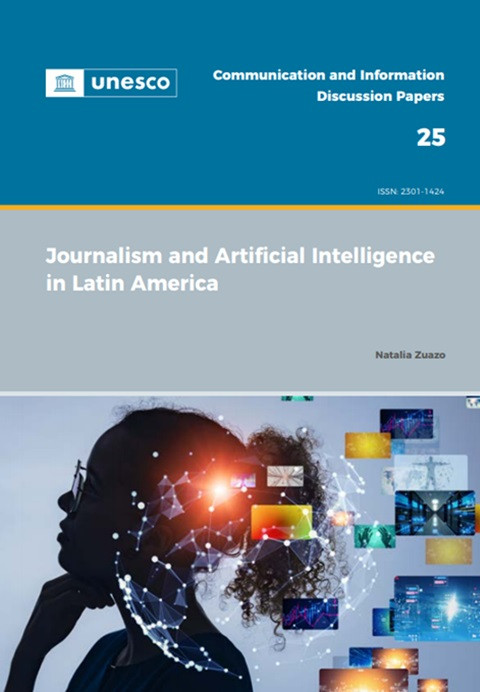 Periodismo e inteligencia artificial en América Latina Año de publicación: 2023 Autor: Natalia Zuazo Autor corporativo: UNESCO Montevideo En un contexto de crecimiento exponencial de la inteligencia artificial (IA) y predominancia tecnológica en todas las esferas de la vida –económica, social, cultural, ambiental y política-, este Cuaderno explora el impacto de la IA en el periodismo desde una perspectiva crítica y ética, con especial atención a América Latina. Se abordan desigualdades y desafíos inherentes a la implementación de la IA en la región. Con ello, se busca ofrecer una herramienta útil en la formación continua de estudiantes y profesionales de medios de comunicación.
  Disinformation and Peacebuilding in Sub-Saharan Africa : Security Implications of AI-Altered Information Environments : Research Report Año de publicación: 2024 Autor: Eduardo Albrecht | Eleonore Fournier-Tombs | Rebecca Brubake Autor corporativo: United Nations University This report aims to further explore the way in which AI technologies as they currently stand impact peace and conflict, and what methods might be used to mitigate their adverse effects - through the development of better tools and the inclusion of peace and conflict considerations in AI governance frameworks. The report proposes the following recommendations: 1. More funding and support should be provided to civil society organization efforts to expand media literacy and fact-checking initiatives using AI tools to enhance capabilities. 2. Governments need to work with civil society to develop and implement comprehensive, transparent legal frameworks combating disinformation. These legislative measures need to support digital and media literacy campaigns and fact-checking organizations. 3. Social media companies need to expand investment and research into understanding local information environments, so they can better identify and respond to instances of disinformation in all contexts in which they operate and enhance transparency. 4. Peacebuilding organizations need to carefully consider local media ecosystems and information environments when conducting conflict analyses, and factor these dynamics into their projects' frameworks. Journalism and Artificial Intelligence in Latin America Año de publicación: 2023 Autor: Natalia Zuazo Autor corporativo: UNESCO Montevideo In a context of exponential growth of artificial intelligence (AI) and technological dominance in all spheres of life — economic, social, cultural, environmental, and political —, this Paper explores the impact of AI on journalism from a critical and ethical perspective, with special attention to Latin America. It addresses inequalities and challenges inherent in the implementation of AI in the region. The aim is to offer an useful tool in the continuous training of students and media professionals.
 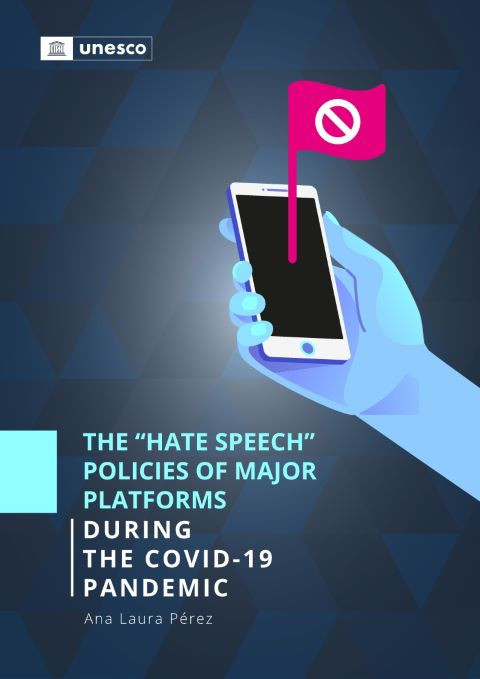 Les politiques des grandes plateformes sur le discours de haine pendant la COVID-19 Año de publicación: 2021 Autor corporativo: UNESCO Montevideo Ce document fait état d’une augmentation des messages considérés comme des discours de haine sur Facebook, Twitter et YouTube, depuis l’avènement de la pandémie de COVID-19. Bien qu’inégale, cette augmentation peut être établie à partir des rapports de transparence des différentes plateformes et de la croissance enregistrée dans la modération de ces contenus à partir de mars 2020. Étant donné qu’au cours de la même période, et en conséquence des mesures d’isolement prises dans la plupart des pays du monde, les plateformes ont décidé d’accroître l’utilisation d’outils d’intelligence artificielle dans leurs processus de modération, il n’est pas possible d’être certain que cette croissance est due à une augmentation de la création et de la publication de messages ou à un changement dans les systèmes de détection qui a affecté les résultats d’une année à l’autre.
  Global Digital Citizenship: Quick Start Guide Autor corporativo: Global Digital Citizen Foundation What does it mean to be a Global Digital Citizen? Who is this person and what do they stand for? What makes them true global leaders and creators? The journey to understanding begins here, with the Global Digital Citizen Quickstart Guide.This is the final book in the GDCF's Fluency Quickstart series. This guide explores the skills and practices that make an exemplary Global Digital Citizen.With this Quickstart Guide you can: Explore the tenets of global citizenship Develop unique skills and mindsets Measure student progress Create challenging PBL lessons Become a great global digital citizen