
Recursos
Exploren una amplia gama de recursos valiosos en GCED para profundizar su comprensión y promover su búsqueda, incidencia, enseñanza y aprendizaje.
3,797 resultados encontrados
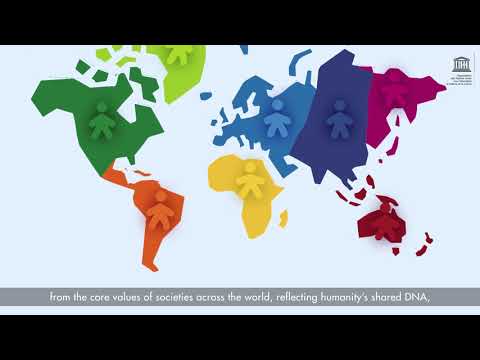 Éducation à la citoyenneté mondiale: Pour une approche locale Año de publicación: 2018 Autor corporativo: Organisation des Nations Unies pour l'éducation, la science et la culture (UNESCO) Les sociétés à travers le monde ont longtemps vécu selon les principes de la solidarité, le dialogue et le respect de la diversité. Le programme d’éducation à la citoyenneté mondiale (ECM) de l’UNESCO est inspiré de ces savoirs, en inculquant aux apprenants les compétences, les valeurs et les attitudes pour vivre ensemble et construire un monde plus durable et pacifique. L’ECM n’est pas un nouveau concept, mais une aspiration de longue date à travers les continents.
  UNESCO education strategy 2014-2021 Año de publicación: 2014 Autor corporativo: UNESCO This publication is a result of extensive collective work by my colleagues in UNESCO’s Education Sector over the past two years. It elaborates on UNESCO’s Medium-Term Strategy (2014–2021), which was drafted by the Organization’s Secretariat and approved by the 37th session of its General Conference in November 2013. This publication elaborates on the education component of the Medium-Term Strategy. While continuing to focus efforts on the ‘unfinished business’ of EFA, such as literacy, teachers and vocational skills development, UNESCO will lead and advocate for strengthened action towards empowering learners to be creative and responsible citizens. In a world of change, when individuals are increasingly called upon to make a positive contribution to their communities through the promotion of peace, solidarity, and respect for others and the environment, I am convinced that Education for Sustainable Development and Global Citizenship Education must also be considered crucial elements for well-rounded educational systems. UNESCO education strategy 2014-2021 Año de publicación: 2014 Autor corporativo: Organisation des Nations Unies pour l'éducation, la science et la culture (UNESCO) Cette publication est le résultat d'une vaste travail collectif par mes collègues dans le secteur de l'éducation de l'UNESCO au cours des deux dernières années. Il élabore sur la stratégie à moyen terme de l'UNESCO (2014-2021), qui a été élaboré par le Secrétariat de l'Organisation et approuvé par la 37e session de la Conférence Générale en Novembre 2013. Cette publication développe sur le volet éducation de la Stratégie à Moyen Terme. Tout en continuant à concentrer les efforts sur le «travail inachevé» de l'EPT, tels que l'alphabétisation, les enseignements et le développement des compétences professionnelles, l'UNESCO dirigera et plaider pour une action renforcée vers l'autonomisation des apprenants à être des citoyens créatifs et responsables. Dans un monde de changement, lorsque les individus sont de plus en plus appelés à apporter une contribution positive à leurs communautés par la promotion de la paix, la solidarité et le respect des autres et de l'environnement, je suis convaincu que l'Éducation pour le Développement Durable et de l'Éducation à la Citoyenneté Mondiale doivent aussi être considérés comme des éléments cruciaux pour les systèmes éducatifs bien arrondis.
  Study on measures taken by municipalities and recommendations for further action to achieve greater vigilance against racism: Commitment 1 of the Ten-Point Plan of Action Año de publicación: 2006 Autor: Klaus Starl Autor corporativo: UNESCO | European Training and Research Centre for Human Rights and Democracy (Austria) Commitment 1 of the Ten-Point Plan of Action of the European Coalition of Cities against Racism requires ‘Greater Vigilance against Racism’. This point aims at setting up a monitoring, vigilance and solidarity network against racism at the municipal level. To reach this goal, the members of the coalition are called to undertake activities, elaborate strategies and establish relevant institutions to monitor the local situation concerning structures in society, attitudes within the population and racist incidents. They are called to find out causes for racist tendencies among their population and establish solidarity networks involving all stakeholders, particularly civil society organisations. As an external expert, the European Training and Research Centre for Human Rights and Democracy in Graz, Austria, (ETC Graz) was commissioned by UNESCO to carry out a study on the measures already taken against racism at the local level that serve as good illustration of ‘Commitment 1’. Major information resource was the written material provided by the selected cities. Through direct exchange and/or interviews with responsible officers of the municipalities and some NGOs, additional or missing information could be obtained. The material is not to be considered as complete. On the basis of the contribution sent in by the participating cities, the ETC made an assessment whether these actions/activities meet the objective of the Commitment 1. The authors used the following criteria to make this assessment: does the action undertaken contribute to a) creating and promoting vigilance directly; b) creating and promoting vigilance indirectly through awareness raising; c) creating and promoting vigilance through a monitoring measure or d) the establishment and maintenance of a solidarity network. The authors presumed that c) and d) will lead directly to greater vigilance. The following recommendations are derived from the eight selected measures documented in Chapter II, and the analysis on their replicability in Chapter III. The 10 recommendations expicitly or implicitly refer to the replicable documented measures. Where the replicability requires specific conditions, these are stated or it is recommended to fulfil these conditions firstly, i.e. structural and institutional conditions. The 10 recommendations are addressed to municipalities in Europe irrespective of their current membership in the European Coalition of Cities against Racism. As already mentioned the recommendations focus on meeting the requirement of Commitment 1, creating greater vigilance against racism.
  UNESCO and Education Año de publicación: 2017 Autor corporativo: UNESCO Education is a fundamental human right and
a public good and, as such, has been at the core of UNESCO’s work since its inception.Education is also the path to sustainability – to poverty alleviation, better health, environmental protection and gender equality.As the only United Nations agency with a mandate to cover all aspects of education, UNESCO was entrusted in 2015 to lead the coordination and monitoring of Sustainable Development Goal 4, as part of the new Global Education 2030 Agenda.Goal 4 aims to “ensure inclusive and equitable quality education and promote lifelong learning opportunities for all,” and renewed UNESCO’s and Member States’ commitment to a vision of education that is holistic, inspirational and which leaves no one behind.This commitment is reflected in the size and scope of the Education Sector, the largest in UNESCO, with staff working at its Paris Headquarters and spread across a global network of field offices and specialized institutes and centres. With its close links with education ministries and other partners, UNESCO is strongly placed to press for action and change.UNESCO’s Education Sector supports Member States in developing education systems that foster high-quality and inclusive lifelong learning for all, empowering learners to be creative and responsible global citizens while leading the debate to help shape the future international education agenda.There is no stronger, no more lasting, investment a country can make than educating its citizens. The Education Sector exists to further this collective vision worldwide by transforming lives one by one. L'UNESCO et l'éducation Año de publicación: 2017 Autor corporativo: Organisation des Nations Unies pour l'éducation, la science et la culture (UNESCO) Education is a fundamental human right and
a public good and, as such, has been at the core of UNESCO’s work since its inception.Education is also the path to sustainability – to poverty alleviation, better health, environmental protection and gender equality.As the only United Nations agency with a mandate to cover all aspects of education, UNESCO was entrusted in 2015 to lead the coordination and monitoring of Sustainable Development Goal 4, as part of the new Global Education 2030 Agenda.Goal 4 aims to “ensure inclusive and equitable quality education and promote lifelong learning opportunities for all,” and renewed UNESCO’s and Member States’ commitment to a vision of education that is holistic, inspirational and which leaves no one behind.This commitment is reflected in the size and scope of the Education Sector, the largest in UNESCO, with staff working at its Paris Headquarters and spread across a global network of field offices and specialized institutes and centres. With its close links with education ministries and other partners, UNESCO is strongly placed to press for action and change.UNESCO’s Education Sector supports Member States in developing education systems that foster high-quality and inclusive lifelong learning for all, empowering learners to be creative and responsible global citizens while leading the debate to help shape the future international education agenda.There is no stronger, no more lasting, investment a country can make than educating its citizens. The Education Sector exists to further this collective vision worldwide by transforming lives one by one.
UNESCO and Education Año de publicación: 2017 Autor corporativo: UNESCO Education is a fundamental human right and
a public good and, as such, has been at the core of UNESCO’s work since its inception.Education is also the path to sustainability – to poverty alleviation, better health, environmental protection and gender equality.As the only United Nations agency with a mandate to cover all aspects of education, UNESCO was entrusted in 2015 to lead the coordination and monitoring of Sustainable Development Goal 4, as part of the new Global Education 2030 Agenda.Goal 4 aims to “ensure inclusive and equitable quality education and promote lifelong learning opportunities for all,” and renewed UNESCO’s and Member States’ commitment to a vision of education that is holistic, inspirational and which leaves no one behind.This commitment is reflected in the size and scope of the Education Sector, the largest in UNESCO, with staff working at its Paris Headquarters and spread across a global network of field offices and specialized institutes and centres. With its close links with education ministries and other partners, UNESCO is strongly placed to press for action and change.UNESCO’s Education Sector supports Member States in developing education systems that foster high-quality and inclusive lifelong learning for all, empowering learners to be creative and responsible global citizens while leading the debate to help shape the future international education agenda.There is no stronger, no more lasting, investment a country can make than educating its citizens. The Education Sector exists to further this collective vision worldwide by transforming lives one by one. L'UNESCO et l'éducation Año de publicación: 2017 Autor corporativo: Organisation des Nations Unies pour l'éducation, la science et la culture (UNESCO) Education is a fundamental human right and
a public good and, as such, has been at the core of UNESCO’s work since its inception.Education is also the path to sustainability – to poverty alleviation, better health, environmental protection and gender equality.As the only United Nations agency with a mandate to cover all aspects of education, UNESCO was entrusted in 2015 to lead the coordination and monitoring of Sustainable Development Goal 4, as part of the new Global Education 2030 Agenda.Goal 4 aims to “ensure inclusive and equitable quality education and promote lifelong learning opportunities for all,” and renewed UNESCO’s and Member States’ commitment to a vision of education that is holistic, inspirational and which leaves no one behind.This commitment is reflected in the size and scope of the Education Sector, the largest in UNESCO, with staff working at its Paris Headquarters and spread across a global network of field offices and specialized institutes and centres. With its close links with education ministries and other partners, UNESCO is strongly placed to press for action and change.UNESCO’s Education Sector supports Member States in developing education systems that foster high-quality and inclusive lifelong learning for all, empowering learners to be creative and responsible global citizens while leading the debate to help shape the future international education agenda.There is no stronger, no more lasting, investment a country can make than educating its citizens. The Education Sector exists to further this collective vision worldwide by transforming lives one by one. 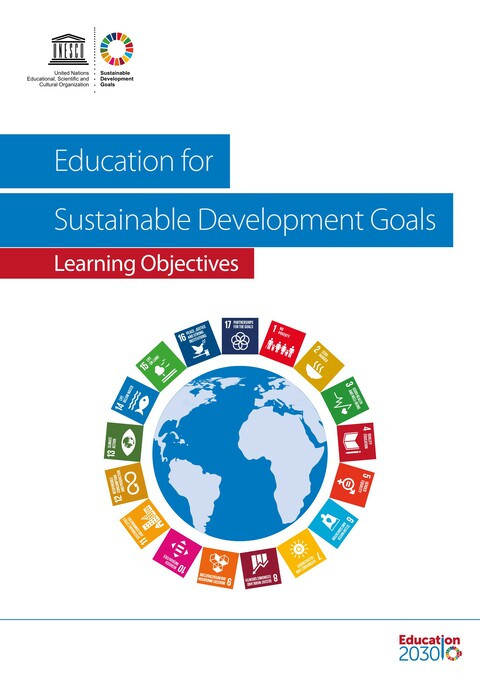 التعليم من أجل تحقيق أهداف التنمية المستدامة: أهداف التعلم Año de publicación: 2017 Autor corporativo: منظمة الأمم المتحدة للتربية والعلم والثقافة (UNESCO) تروج اليونسكو التعليم من أجل التنمية المستدامة منذ عام .١٩٩٢ وتولت اليونسكو قيادة عقد الأمم المتحدة للتعليم من أجل التنمية المستدامة بين عامي ٢٠٠٥ و٠١٤٢ وتقود حاليا الجهود الرامية إلى متابعة هذا العقد من خلال برنامج العمل العالمي للتعليم من أجل التنمية المستدامة. وثمة زخم لم يسبق له مثيل في مجال التعليم من أجل التنمية المستدامة. إن معالجة القضايا العالمية، كتغير المناخ مثلا، تتطلب تغيير أنماط عيشنا على نحو عاجل وإحداث تغيير جذري في طريقة تفكيرنا وتصرفنا. ولإحداث هذا التغيير، لا بد من توافر مهارات وقيم ومواقف جديدة تفضي إلى مجتمعات تنعم بقدر أكبر من الاستدامة. ويتعين على نظم التعليم تلبية هذه المتطلبات الملحة من خلال تحديد أهداف تعلم ومضامين تعليمية مجدية. وتطبيق أساليب تربوية هدفها تمكين الدارسين، وحث المؤسسات التعليمية على إدراج مبادئ الاستدامة في هياكلها الإدارية. وتتجلى هذه الرؤية التي تبرز أهمية اعتماد الحلول التعليمية المناسبة في جدول الأعمال الجديد للتنمية المستدامة لعام ٢٠٢٠ الذي يخصص للتعليم هدفا صريحا ومنفصلا يتمثل في الهدف ٤ من أهداف التنمية المستدامة، كما يتضمن العديد من الغايات والمؤشرات المتصلة بالتعليم التي تندرج في إطار أهداف التنمية المستدامة الأخرى. ويمثل التعليم هدفا في حد ذاته ووسيلة لبلوغ سائر أهداف التنمية المستدامة الأخرى. ولا يشكل التعليم جزءا لا يتجزأ من عملية التنمية المستدامة فحسب، بل هو أيضا عامل رئيسي يساعد على تحقيق التنمية المستدامة. وعليه، يمثل التعليم استراتيجية بالغة الأهمية لتحقيق سائر أهداف التنمية المستدامة. ويرمي هذا المنشور إلى توفير دليل يسترشد به المهنيون العاملون في حقل التعليم بشأن الاستعانة بالتعليم من أجل التنمية المستدامة لبلوغ مستويات التعلم الضرورية لتحقيق أهداف التنمية المستدامة، أي أنه يسعى للإسهام في بلوغ هذه الأهداف. ويحدد هذا الدليل عددا من أهداف التعلم الإرشادية ويقترح عددا من الموضوعات وأنشطة التعلم الخاصة بكل واحد من أهداف التنمية المستدامة، كما يعرض طائفة من أساليب التنفيذ على شتى المستويات، بدءأ بتصميم المساقات الدراسية ووصولا إلى رسم الاستراتيجيات الوطنية. ولا يسعى هذا الدليل لأن يكون ملزما بأي شكل كان، وإنما يرمي إلى توفير التوجيهات والاقتراحات التي يمكن للمربين الانتقاء منها وتكييفها لتلائم سياقات التعلم الفعلية السائدة لديهم. 教育促进实现可持续发展目标: 学习目标 Año de publicación: 2017 Autor corporativo: 联合国教科文组织 (UNESCO) 自1992年起,教科文组织一直致力于促进可持续发展教育(ESD)。教科文组织引领了联合国可持续发展教育十年(2005‒2014年),目前本组织正大力倡导其后续工作“全球可持续发展教育行动计划”(GAP)。 可持续发展教育的势头从未如此强劲。气候变化等全球问题迫切要求我们转变生活、思维和行动的方式。要实现这种改变,我们需要新的技术、价值观和态度,增加社会的可持续性。 面对这种迫切的需求,教育系统必须厘清相关的学习目标和学习内容,引进能增强学习者能力的教学法,敦促各教育机构在其管理结构中纳入可持续性原则。 新的《2030年可持续发展议程》清楚体现对适当教育重要性的认识。教育被单独作为一个明确的目标——可持续发展目标4。其他可持续发展目标(SDG)中也涵盖了多个与教育有关的具体目标和指标。 教育不仅本身是我们孜孜以求的目标,还是实现所有其他可持续发展目标的手段。它既是可持续发展的内在组成部分,也是推动实现可持续发展的关键因素。因此,教育是实现可持续发展目标的一项关键战略。 本出版物旨在为教育专家们提供一部指南,以便他们在学习过程中利用可持续发展教育促进实现可持续发展目标,从而为实现可持续发展目标作出贡献。对于每项可持续发展目标,这部指南都标明了指示性学习目标,并提出了拟议的专题和学习活动。指南中还介绍了从课程设计到国家战略等不同层级的实施方法。 这部指南不是为了作出任何硬性规定,而是要提供指导和建议,以便教育者根据具体的学习环境作出选择和调整。
 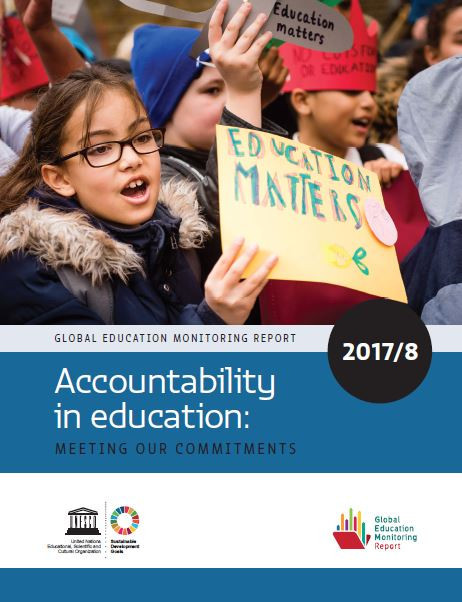 Accountability in Education: Meeting Our Commitments: Global Education Monitoring Report, 2017/8 Año de publicación: 2017 Autor corporativo: UNESCO The second edition of the Global Education Monitoring Report (GEM Report) presents the latest evidence on global progress towards the education targets of the UN Sustainable Development Goals.With hundreds of millions of people still not going to school, and many not achieving minimum skills at school, it is clear education systems are off track to achieve global goals. The marginalized currently bear the most consequences but also stand to benefit the most if policy-makers pay sufficient attention to their needs. Faced with these challenges, along with tight budgets and increased emphasis on results-oriented value for money, countries are searching for solutions. Increased accountability often tops the list.The 2017/8 GEM Report shows the entire array of approaches to accountability in education. It ranges from countries unused to the concept, where violations of the right to education go unchallenged, to countries where accountability has become an end in itself instead of a means to inclusive, equitable and high-quality education and lifelong learning for all.The report emphasizes that education is a shared responsibility. While governments have primary responsibility, all actors – schools, teachers, parents, students, international organizations, private sector providers, civil society and the media – have a role in improving education systems.The report emphasizes the importance of transparency and availability of information but urges caution in how data are used. It makes the case for avoiding accountability systems with a disproportionate focus on narrowly defined results and punitive sanctions. In an era of multiple accountability tools, the report provides clear evidence on those that are working and those that are not.
 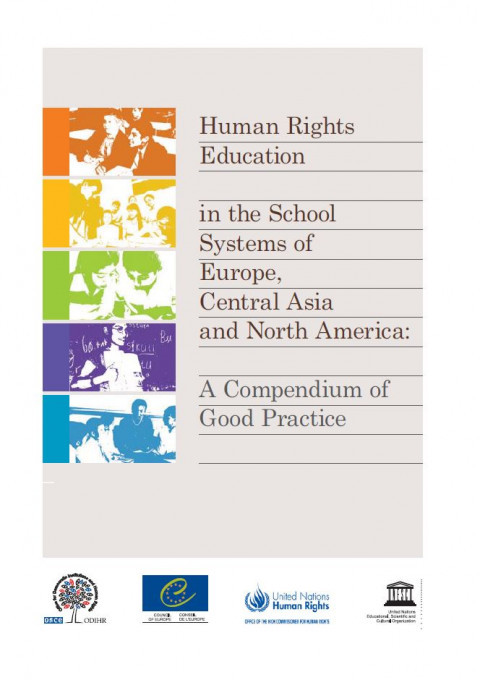 Образование в области прав человека в школьной системе Европы, Центральной Азии и Северной Америки: сборник примеров успешных практик Año de publicación: 2009 Autor corporativo: Council of Europe | Организация Объединенных Наций по вопросам образования, науки и культуры (UNESCO) | UN. Office of the United Nations High Commissioner for Human Rights (UN. OHCHR) | OSCE. Office for Democratic Institutions and Human Rights (ODIHR) Сборник примеров успешных практик «Образование в области прав человека в школьной системе Европы, Центральной Азии и Северной Америки» включает 101 пример успешных практик в сфере образования в области прав человека в начальной, средней школе и в педагогических учебных заведениях в регионе ОБСЕ, на который также распространяются полномочия ЮНЕСКО, УВКПЧ ООН и, частично, географический мандат СЕ.Настоящее издание состоит из пяти основных разделов:Раздел I. Законодательные акты, руководящие принципы и стандарты; Раздел II. Подходы и практики улучшения учебной атмосферы; Раздел III. Учебные пособия для преподавателей и учащихся; Раздел IV. Повышение квалификации преподавателей; Раздел V. Методы оценки.Образование в области прав человека определяют как образование, обучение и информирование, направленное на формирование всеобщей культуры прав человека. Комплексное образование в области прав человека дает не только знания о правах человека и действующих механизмах их защиты, но и навыки, необходимые для продвижения, защиты и реализации прав человека в повседневной жизни. Воспитание демократической гражданственности нацелено на осуществление образовательных практик и мероприятий, призванных помочь молодым людям и взрослым принимать активное участие в жизни общества, основанного на принципах демократии, а также осуществлять свои права и обязанности в обществе. Воспитание в духе взаимного уважения и понимания подчеркивает важность самоуважения, уважения других людей и улучшения отношений между людьми, представляющими различные культурные традиции.Настоящая книга задумана как средство поддержки качества обучения в этих областях, как стимул для лиц, ответственных за формирование политики в области образования (сотрудников министерств образования и местных школьных советов), директоров, учителей, преподавателей педагогических учебных заведений, преподавателей, специалистов неформальной сферы образования и всех других заинтересованных лиц, а также как инструмент, содействующий формированию сетей и обмену опытом между специалистами в сфере образования.