
Recursos
Exploren una amplia gama de recursos valiosos en GCED para profundizar su comprensión y promover su búsqueda, incidencia, enseñanza y aprendizaje.
3,229 resultados encontrados
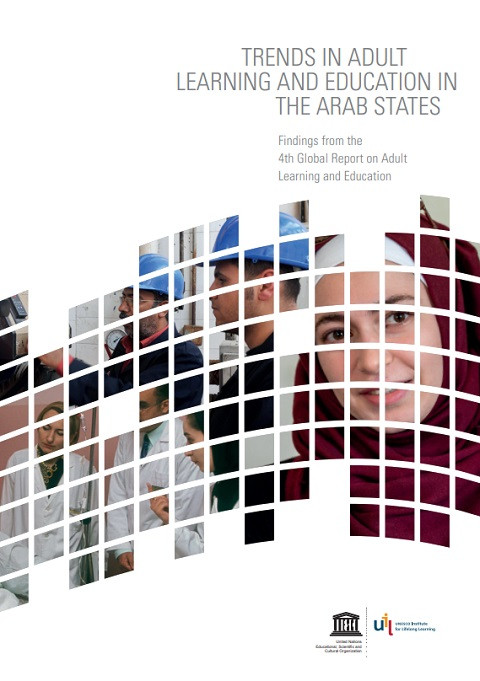 Trends in Adult Learning and Education in the Arab States: Findings from the Fourth Global Report on Adult Learning and Education Año de publicación: 2020 Autor corporativo: UNESCO Institute for Lifelong Learning (UIL) This report reveals that adult learning and education in the region is strongly focused on literacy, with less attention given to other areas of adult learning, such as continuing education and professional development, and citizenship education. This suggests that, while further progress is needed in achieving basic education for all, the other dimensions of adult learning need to be given adequate attention to ensure provision that is comprehensive and relevant to the diverse needs of adult and youth learners. Furthermore, the report suggests that good governance, supportive political will and adequate funding are key to fully realizing the potential of adult learning and education for economic, social, technological, and societal transformation. It is hoped that this report can provide some benchmarks and be a source of inspiration for policy-makers and stakeholders in Arab countries to further enhance the provision, quality and relevance of adult learning and education in order to build a sustainable and resilient future. الكبار وتعليمهم يف الدول العربية : اتجاهات يف تعل َصة من التقرير العاملي نتائج مستخل الرابع بشأن تعلم الكبار وتعليمهم Año de publicación: 2020 Autor corporativo: UNESCO Institute for Lifelong Learning (UIL) يكشف التقرير أن تركيز دول المنطقة ّ العربية ينصب ّ في المقام األو ّ ل على مجال »القرائية/محو األمية والمهارات األساسية« ، في حين تحظى مجاالت أخرى ذات صلة، مثل »التعليم المستمر والتطوير المهني«، و« تعليم المواطنة«، بدرجة أقل من االهتمام. لذلك، ومع وجود حاجة إلى إحراز ّق بتوفير التعليم األساسي للجميع ّ مزيد من التقدم فيما يتعل ّصلة ، يظلّ من الضروري إيالء اهتمام أكبر لألبعاد األخرى المت ّم الكبار وتعليمهم، بما يضمن توفير التعليم على نحو شامل بتعل ّمين من الكبار والشباب. ّ ومالئم لالحتياجات المتنوعة للمتعل ّ عالوة على ذلك، يشير التقرير إلى أن الحوكمة الرشيدة واإلرادة ّ السياسية الداعمة والتمويل الكافي تشكل عوامل أساسية لضمان ّم الكبار وتعليمهم االستفادة الكاملة من اإلمكانات التي يتيحها تعل ّ لتعزيز التحول االقتصادي واالجتماعي والتكنولوجي والمجتمعي المنشود. وأخيرا، أملنا أن يوفّر هذا التقرير بعض النقاط المرجعية وأن ّ يشكل مصدر إلهام لصانعي السياسات ولجميع الجهات المعنية ّم الكبار وتعليمهم من حيث توفير البرامج وضمان الجودة وتحقيق ّ في البلدان العربية، من أجل المضي قدما في تعزيز تعل ُه االستدامة ُ ِ سهم في بناء مستقبل أفضل سمت ّ الجدوى، مما ي والقدرة على الصمود
 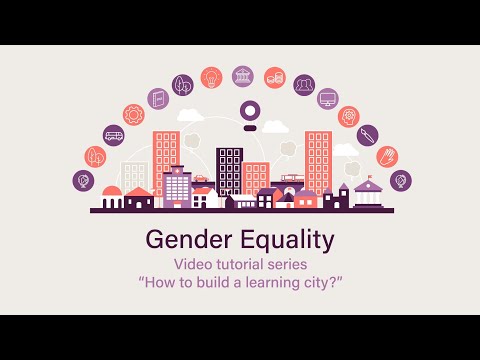 How to Build a Learning City? Make Gender Equality a Priority Año de publicación: 2020 Autor corporativo: UNESCO Institute for Lifelong Learning (UIL) This video tutorial explains how gender equality must be prioritized in learning cities to empower women through learning, eliminate gender-based discrimination and foster equitable, inclusive, resilient and sustainable cities. Comment créer une ville apprenante: Égalité des genres Año de publicación: 2020 Autor corporativo: Institut de l’UNESCO pour l’apprentissage tout au long de la vie (UIL) Ce tutoriel vidéo explique comment développer une compréhension commune de l’égalité des genres dans l'éducation et l'apprentissage, identifier les défis que rencontre la ville apprenante, impliquer les parties prenantes concernées, renforcer les capacités et encourager une programmation inclusive, consolider les politiques d'éducation et d'apprentissage, mener des recherches et sensibiliser.
 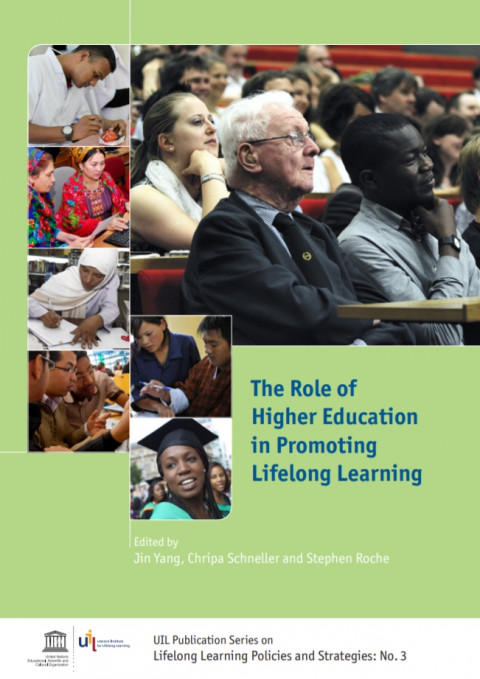 The Role of Higher Education in Promoting Lifelong Learning Año de publicación: 2015 Autor: Yang Jin, Schneller.Chripa, Roche.Stephen Autor corporativo: UNESCO Institute for Lifelong Learning (UIL) UNESCO’s vision of lifelong learning encompasses all contexts (formal, non-formal and informal) and ages (‘from cradle to grave’) of learning. The UNESCO Institute for Lifelong Learning and its predecessor, the UNESCO Institute for Education, have promoted policy and practice in this field for more than four decades. The decision to produce this volume was prompted by an observation that lifelong learning – both as a concept and in its many practical manifestations – is becoming a staple of education policy discourse around the globe. At the same time, we noted that understandings of lifelong learning differ widely, not only between countries, but also across the sub-sectors of education systems.This book, which emerged from a seminar held in 2012 to mark the 60th anniversary of the UNESCO Institute for Lifelong Learning, addresses various ways that higher education can promote lifelong learning, paying due consideration to regional disparities and specificities. These include responses to the learning needs of senior citizens in China, the challenge of implementing recurrent education in Japan, European efforts to develop a common approach to life-long learning at university, and how a lifelong learning approach is put into practice in higher education in Australia. It is hoped that this book will help the reader gain a better understanding of the theoretical frameworks and practical implementation of lifelong learning in higher education, both within their own region and globally.
  CONFINTEA VI Mid-Term Review 2017: The Status of Adult Learning and Education in Sub-Saharan Africa; Regional Report Año de publicación: 2017 Autor: John Aitchison Autor corporativo: UNESCO Institute for Lifelong Learning (UIL) The Sustainable Development Goals include educational targets which are entirely congruent with the existing focuses of ALE in African countries – to ‘ensure that all youth and a substantial proportion of adults, both men and women, achieve literacy and numeracy’ (4.6), to ‘substantially increase the number of youth and adults who have relevant skills, including technical and vocational skills, for employment, decent jobs and entrepreneurship’ (4.4) and to ‘ensure that all learners acquire the knowledge and skills needed to promote sustainable development, including, among others, through education for sustainable development and sustainable lifestyles, human rights, gender equality, promotion of a culture of peace and non-violence, global citizenship and appreciation of cultural diversity and of culture’s contribution to sustainable development’ (4.7). National targets and the criteria for success in reaching those targets will need to be developed. Undoubtedly, international cooperation and international support can help this gearing-up process.
  CONFINTEA VI Mid-term Review 2017: The Status of Adult Learning and Education in Asia and the Pacific; Regional Report Año de publicación: 2017 Autor: Govinda, Rangachar Autor corporativo: UNESCO Institute for Lifelong Learning (UIL) Adult learning and education policies and practices should be closely aligned with developments in school education. A quick survey of the state of education in the region reveals that significant progress has been made in providing basic education to all children. However, the achievements are noticeably uneven across sub-regions. For example, around 16 million primary-school-aged children and around 34 million lower-secondary-aged adolescents in the Asia-Pacific region are not in school; two-thirds of these are in South Asia (UIS, 2015). Outof-school children are an important concern as, barring special intervention, they are likely to remain non-literate as they grow into adulthood.
  Suwon-Osan CONFINTEA VI Mid-Term Review Statement: The Power of Adult Learning and Education; A Vision Towards 2030 Año de publicación: 2018 Autor corporativo: UNESCO Institute for Lifelong Learning (UIL) The Sixth International Conference on Adult Education (CONFINTEA VI), held in Brazil in December 2009, closed with the adoption of the Belém Framework for Action, which recorded the commitments of Member States and presented a strategic guide for the global development of adult learning and education from a lifelong learning perspective. The third Global Report on Adult Learning and Education (GRALE III), published in 2016, drew on survey data to evaluate progress made by countries in fulfilling the commitments made in Brazil, while also highlighting some of the contributions adult learning and education can make to the 2030 Agenda for Sustainable Development. The CONFINTEA VI Mid-Term Review, held in Suwon, Republic of Korea, in October 2017, took stock of progress made by Member States in the past eight years, looking ahead to GRALE IV in 2019. This statement represents the overall perspective of delegates and their recommendations for the future. Bilan à mi-parcours de la CONFINTEA VI : Déclaration de Suwon-Osan - Le pouvoir de l'apprentissage et de l'éducation des adultes: Vision 2030 Año de publicación: 2018 Autor corporativo: Institut de l’UNESCO pour l’apprentissage tout au long de la vie (UIL) La sixième Conférence internationale sur l'éducation des adultes (CONFINTEA VI) qui a eu lieu en décembre 2009 au Brésil, s’est achevée sur l’adoption du Cadre d'action de Belém qui a permis de rassembler les engagements des États membres et de présenter un guide stratégique pour le développement mondial de l’apprentissage et de l’éducation des adultes du point de vue de l’apprentissage tout au long de la vie. Le troisième Rapport mondial sur l'apprentissage et l'éducation des adultes (GRALE III), publié en 2016, s’est appuyé sur les données d'une enquête afin d’évaluer les progrès accomplis par les pays pour tenir leurs engagements pris au Brésil, tout en soulignant certaines des contributions que l’apprentissage et l’éducation des adultes peuvent apporter au Programme de développement durable à l'horizon 2030. Le Bilan à mi-parcours de la CONFINTEA VI qui s’est tenu en octobre 2017 à Suwon en République de Corée a fait l'inventaire des progrès réalisés par les États membres au cours des huit dernières années en vue du GRALE IV de 2019. La présente déclaration exprime les perspectives des délégués au niveau mondial et fait état de leurs recommandations pour l’avenir. Declaración de Suwon-Osan sobre la Revisión a Medio Término de la CONFINTEA VI: el poder del aprendizaje y la educación de adultos: una visión hacia el 2030 Año de publicación: 2018 Autor corporativo: UNESCO Institute for Lifelong Learning (UIL) La VI Conferencia Internacional de Educación de Adultos (CONFINTEA VI), celebrada en Belém (Brasil), en diciembre de 2009, se clausuró con la aprobación del Marco de acción de Belém que registró los compromisos de los Estados Miembros y presentó una guía estratégica para el desarrollo mundial del aprendizaje y la educación de adultos desde una perspectiva de aprendizaje a lo largo de toda la vida. El tercer Informe mundial sobre el aprendizaje y la educación de adultos (GRALE III), publicado en 2016, se basó en los datos de una encuesta destinada a evaluar el progreso realizado por los países en el cumplimiento de los compromisos formulados en Brasil, al mismo tiempo que hacía hincapié en algunas de las contribuciones que puede hacer el aprendizaje y la educación de adultos a la Agenda 2030 para el Desarrollo Sostenible. La Revisión a Medio Término de la CONFINTEA VI, realizada en Suwon (República de Corea) en octubre de 2017, hizo un balance del progreso realizado por los Estados Miembros en los últimos ocho años, mirando en la perspectiva del GRALE IV para 2019. Este pronunciamiento representa el punto de vista global de los delegados y sus recomendaciones para el futuro.