
Recursos
Exploren una amplia gama de recursos valiosos en GCED para profundizar su comprensión y promover su búsqueda, incidencia, enseñanza y aprendizaje.
1,450 resultados encontrados
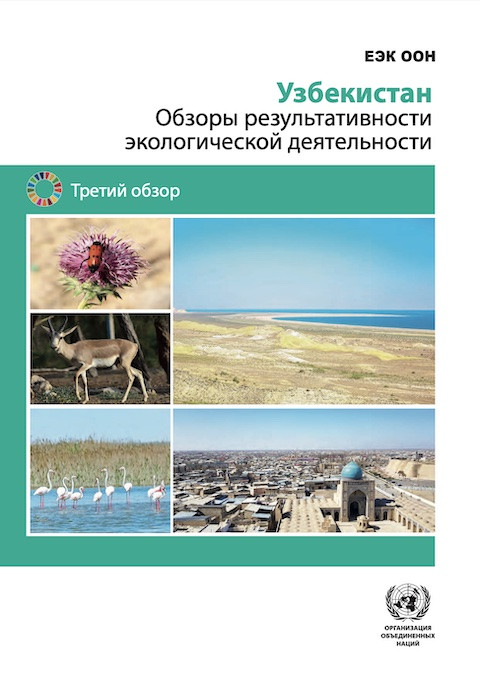 Обзоры результативности экологической деятельности: Узбекистан; Третий обзор Año de publicación: 2020 Autor corporativo: United Nations Economic Commission for Europe (UNECE) Третий Обзор результативности экологической деятельности (ОРЭД) Узбекистана опирается на солидный опыт, накопленный Европейской экономической комиссией Организации Объединенных Наций (ЕЭК) и ее странами-членами в использовании данного инструмента для регулярной оценки прогресса, достигнутого в вопросах согласования национальных экономических и экологических задач.
  Act: Action for Community Transformation; Global Goals for Change Año de publicación: 2021 Autor: Julia Haimlinger | Aine Ferris | Alex Whyatt Autor corporativo: Global Action Plan (GAP) This toolkit introduces a programme based on the United Nations Sustainable Development Goals, whereby together, through active, transformational learning, we explore the interconnected nature of poverty, inequality and climate change, and imagine new solutions. The core focus of this toolkit is to help communities to understand how the goals are interlinked and how the fight against climate change helps to address poverty eradication locally and globally.
 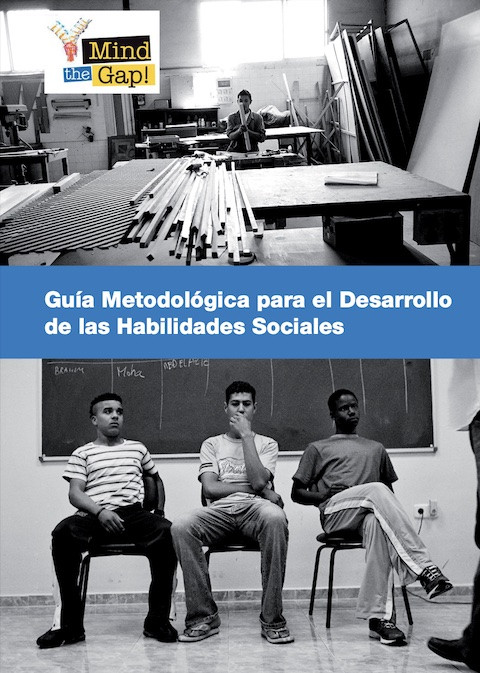 Methodological Guide for the Development of Social Skills Año de publicación: 2013 Autor corporativo: Mind the Gap This guide establishes some parameters to prevent the social exclusion of adolescents. It includes methods, techniques and activities to teach social skills and facilitate the social and labor inclusion of young people, as well as their social participation as European citizens in a democratic society. Guía metodológica para el desarrollo de las habilidades sociales Año de publicación: 2013 Autor corporativo: Mind the Gap En esta guía se establecen algunos parámetros para prevenir la exclusión social de los adolescentes. Incluye métodos, técnicas y actividades para enseñar habilidades sociales y facilitar la inclusión social y laboral de los jóvenes, así como su participación social como ciudadanos europeos en una sociedad democrática.
  Experiences of Education for Sustainable Development in the Further Education and Training Sector Año de publicación: 2021 Autor corporativo: Education and Training Foundation The Education and Training Foundation (ETF) recognises the vital role the further education and training (FE) sector has to play in combating climate change and achieving sustainability and social justice, both nationally and globally. Not only does our sector provide the technical and vocation skills required to help transition to a sustainable future, it also reaches millions of learners from all walks of life, spread across diverse communities.This report provides the results and an analytical narrative of findings from a survey carried out among the FE and training sector workforce about their experiences of education for sustainable development (ESD).
  New Uzbekistan and Human Rights: Uzbekistan’s Progress Towards Compliance With International Obligations on Human Rights Año de publicación: 2019 Autor corporativo: National Human Rights Center (NHRC) The present information briefly highlights the basic directions of state policy on the implementation of personal, political, economic and social rights in 2018-2019. It also underlines the development of national human rights institutions, the role of civil society institutions in protecting human rights, as well as Uzbekistan’s human rights initiatives at the international arena and the implementation of international human rights treaties. Новый Узбекистан и права человека: Информация о состоянии соблюдения международных обязательств республики узбекистан в области прав Человека Año de publicación: 2019 Autor corporativo: National Human Rights Center (NHRC) В данной информации освещаются основные направления государственной политики за период 2018-2019 гг. по имплементации личных, политических, экономических и социальных прав, развитию национальных институтов по правам человека и роли институтов гражданского общества в защите прав человека, инициативах Узбекистана в области прав человека на международной арене, выполнению положений международных договоров в области прав человека.
  Democracy and the Accommodation of Diversity: Advancing Pluralism Through Power Sharing, Self-Governance and Limited Government Año de publicación: 2018 Autor: Rotimi Suberu Autor corporativo: Global Centre for Pluralism (Canada) Democracy is, paradoxically, both essential and precarious in diverse and divided societies with deep cultural or ethnic (i.e., linguistic, regional, religious, racial, and other attributes of identity) divides. group). There are examples of relatively non-violent management of ethnic diversity in undemocratic systems, including the Ottoman Empire's millet system to accommodate non-Muslim communities; the British colonial system of indirect administration; and the informal ethnic balancing practices of many African dictatorships. However, the majority of ethnicity scholars agree that undemocratic regimes are often unsuccessful - and ultimately, unsustainable - managers of ethnic diversity, and that there are "no viable alternatives. democracy ”as a pluralist, peaceful, just and sustainable system of governance of such diversity. This is because basic democratic practices, including credible multiparty elections and effective protections for civil rights and freedoms, are essential for the proper articulation, representation and accommodation of competing ethnic interests. La démocratie et l’accommodement de la diversité : Faire progresser le pluralisme par le partage du pouvoir, l’autogouvernance et le gouvernement limité Año de publicación: 2018 Autor: Rotimi Suberu Autor corporativo: Global Centre for Pluralism (Canada) La démocratie est, paradoxalement, à la fois essentielle et précaire dans les sociétés diversifiées et divisées ayant de profondes fractures culturelles ou ethniques (c.-à-d., linguistiques, régionales, religieuses, raciales, et autres attributs de l’identité de groupe). Il existe des exemples de gestion relativement non violente de la diversité ethnique dans des systèmes non démocratiques, y compris le système des millets de l’Empire ottoman pour accommoder les communautés non musulmanes; le système colonial britannique d’administration indirecte; et les pratiques informelles d’équilibrage ethnique de nombreuses dictatures africaines1. Toutefois, la majorité des spécialistes de l’ethnicité conviennent que les régimes non démocratiques sont souvent des gestionnaires infructueux – et en fin de compte, insoutenables – de la diversité ethnique, et qu’il n’y a « aucune option de rechange viable à la démocratie » en tant que système de gouvernance pluraliste, pacifique, juste et durable d’une telle diversité2. Cela s’explique par le fait que les pratiques démocratiques fondamentales, y compris des élections multipartites crédibles et des protections efficaces pour les droits et libertés civiles, sont indispensables pour l’articulation, la représentation et l’accommodement adéquats d’intérêts ethniques divergents.
  The Future of Global Citizenship Education After COVID Año de publicación: 2020 Autor corporativo: Spur Change This is a video from the Spur Change webinar titled "The Future of Global Citizenship Education After Covid" "which took place on October 22, 2020.