
Recursos
Exploren una amplia gama de recursos valiosos en GCED para profundizar su comprensión y promover su búsqueda, incidencia, enseñanza y aprendizaje.
2,193 resultados encontrados
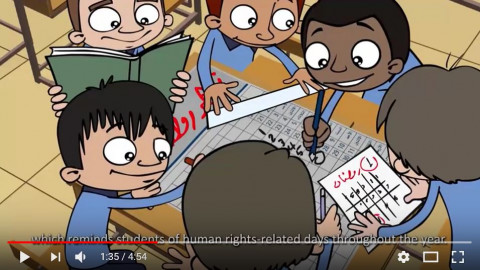 [Video] Equal rights between girls and boys Año de publicación: 2015 Autor corporativo: United Nations Relief and Works Agency for Palestine Refugees in the Near East (UNRWA) Palestine refugee students of all ages learn about human rights in their everyday lives through the Human Rights, Conflict Resolution and Tolerance Education Programme, funded by the United States. In this short animation, young boys and girls learn to respect each other’s rights regardless of gender.
  Human rights education in Russia: analytical report Año de publicación: 2008 Autor: Anatoly Azarov Autor corporativo: Moscow School of Human Rights The book examines the status, trends, and issues of human rights education, including HIV/AIDS prevention education in the Russian Federation. It spans the period from the early 1990s to December 2008, analyzing both positive preconditions for the spread of human rights and freedoms knowledge in Russia and obstacles encountered in the process. A special focus is on laws, regulations and standards applicable to higher education. The book describes the activities of the primary social institutions engaged in HRE: comprehensive schools and universities, human rights commissioners, NGOs. It shows examples of international humanitarian law teaching; offers an evaluation of HRE literature for Russian universities; offers a concept of Science and Discipline of Human Rights. The book also examines the condition of HIV/AIDS prevention education within the context of human rights observance. The authors’ conclusions and judgments are supported with a special opinion poll.
 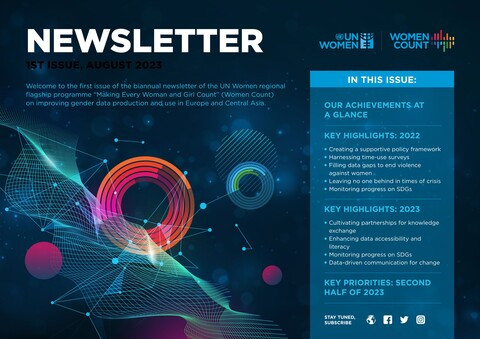 Making Every Woman and Girl Count in Europe and Central Asia Año de publicación: 2023 Autor corporativo: United Nations Entity for Gender Equality and the Empowerment of Women (UN Women) The Women Count newsletter provides the latest updates on improving gender data production and use in the region. It highlights the programme's achievements, including key events, new publications and inspiring stories that underscore the importance of gender data in shaping policies and programs to promote gender equality and achieve the Sustainable Development Goals (SDGs). Каждая женщина и девочка значима в странах Европы и Центральной Азии и Центральной Азии Año de publicación: 2023 Autor corporativo: United Nations Entity for Gender Equality and the Empowerment of Women (UN Women) В информационном бюллетене «Women Count» публикуются последние новости об улучшении производства и использования гендерных данных в регионе. В нем освещаются достижения программы, в том числе ключевые события, новые публикации и вдохновляющие истории, которые подчеркивают важность гендерных данных при формировании политики и программ по продвижению гендерного равенства и достижению Целей устойчивого развития (ЦУР).
 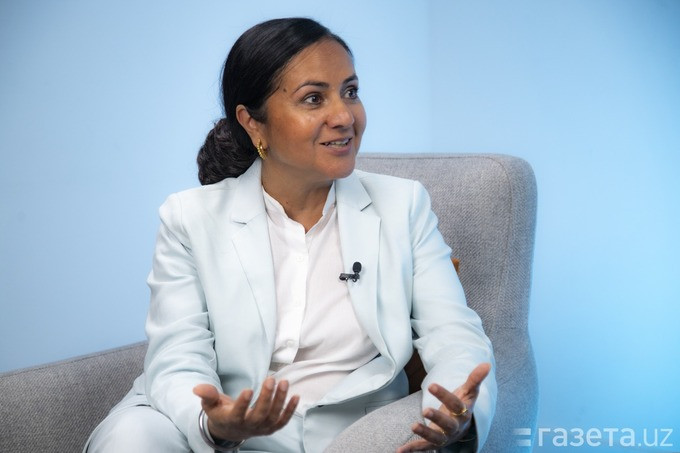 "Creating Equal Opportunities is the Responsibility of the Government.": A Conversation with Anjali Kaur from USAID Año de publicación: 2023 Autor corporativo: Gazeta.uz Anjali Kaur, the deputy assistant administrator of the US Agency for International Development(USAID) for Asia, gave an interview during her visit to Uzbekistan "Газете.uz ". She spoke about the activities of USAID, the importance of creating equal opportunities for all and the responsibility of government, business and citizens. She spoke about the goals and activities of USAID in Uzbekistan, the importance of Uzbekistan for the agency, the need for equal access to education and other services for both boys and girls, as well as the responsibility of the state in ensuring such access. «Создание равных возможностей — ответственность правительства». Беседа с Анджали Каур из USAID Año de publicación: 2023 Autor corporativo: Gazeta.uz Заместитель помощника администратора Агентства США по международному развитию по Азии Анджали Каур по время визита в Узбекистан дала интервью «Газете.uz». Она рассказала о деятельности USAID, важности создания равных возможностей для всех и ответственности правительства, бизнеса и граждан. Она рассказала о целях и направлениях деятельности USAID в Узбекистане, важности Узбекистана для агентства, необходимости равного доступа к образованию и другим услугам и для мальчиков, и для девочек, а также ответственности государства в обеспечении такого доступа.
 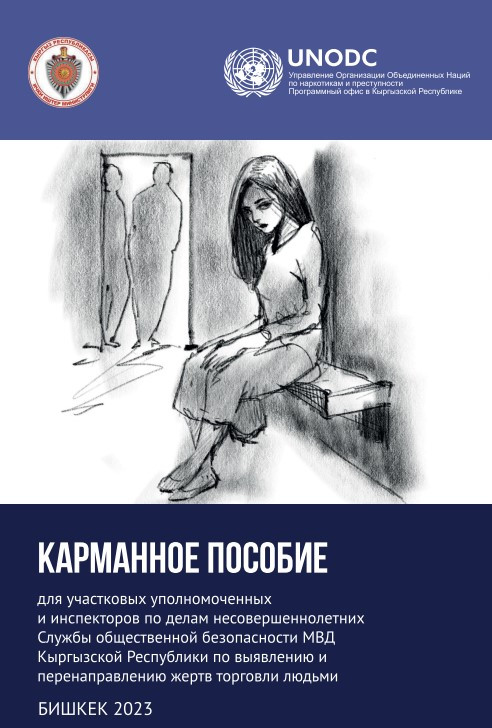 КАРМАННОЕ ПОСОБИЕ для участковых уполномоченных и инспекторов по делам несовершеннолетних Службы общественной безопасности МВД Кыргызской Республики по выявлению и направлению жертв торговли людьми Año de publicación: 2023 Autor corporativo: УНП ООН В сентябре 2021 года Глобальная инициатива против транснациональной организованной преступности The Global Organized Crime Index – 2021, впервые в мировом масштабе признала торговлю людьми крупнейшим и превалирующим криминальным рынком. В связи с этим в мире важное внимание уделяется борьбе с торговлей людьми и вовлечению в этот процесс государственных органов, международных и общественных организаций. Кыргызская Республика не является исключением и особую роль в борьбе с торговлей людьми отводит правоохранительным органам, от действий которых во многом зависит эффективность пресечения этого вида преступной деятельности.
 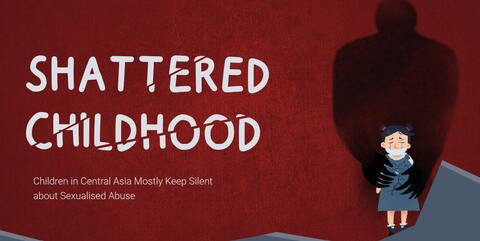 Shattered Childhood: Children in Central Asia Mostly Keep Silent about Sexualised Abuse Autor: Katerina Afanasieva | Aleksandra Vasilkova | Mazkhab Dzhumaev | Aida Dzhaksybaeva Autor corporativo: Central Asian Bureau for Analytical Reporting (CABAR) No one really knows the scope of sexualised abuse of children in Central Asia. According to estimates of human rights activists, only one case of 10 goes reported to law enforcement bodies at best. Once it is reported, the investigation and courts often cause another trauma to children, while proceedings may take years.
  Singapore’s educational reforms toward holistic outcomes: (Un)intended consequences of policy layering Año de publicación: 2023 Autor: Dennis Kwek | Jeanne Ho | Hwei Ming Wong Autor corporativo: Center for Universal Education at Brookings In the transition from economic imperatives to holistic drivers, there has been a gradual move over five policy phases (from 1965 to 2022 and beyond) toward curriculum and school diversification to cater to different students, with more autonomy given to schools to innovate their pedagogy and improve instructional quality to meet their students’ unique needs. Importantly, there has been a shift in policy rhetoric from focusing on educational structures to focusing on pedagogy and instructional quality. To shift pedagogy from being mainly didactic in nature—with emphasis on preparing students for national examination—the Singapore government recognized the need to focus on school leaders’ and teachers’ capacity building to enable new curricula and teaching practices. The school cluster structure was initiated in 1997 to enable collaboration and learning among school leaders, key personnel, and teachers. Opportunities for collaborative teacher learning are provided at different ecological levels: professional learning communities (PLCs) within schools and networked learning communities (NLCs) across schools. Beyond the education system, the Singapore government works with other ministries and community organizations, such as ethnic self-help organizations, to tackle educational equity issues. Ultimately, even though the official policy narrative post-1997 has been a de-emphasis on examination results and educational infrastructure to help improve the instructional quality in schools toward holistic outcomes and improved student well-being have been developed, education systems building co-exists with an alternative underlying shadow education system valued by parents who continue to chase narrow academic outcomes. Tuition and enrichment centers in Singapore constitute the shadow education system.
  Legal Mechanisms for Participation of Legal Minorities in Tajikistan and Their Implementation: Comparison of the Framework Convention and Tajikistan’s Legislation Año de publicación: 2022 Autor: Berdikulov A. Autor corporativo: Central Asian Bureau for Analytical Reporting (CABAR) The policy analyzes the legal framework and provisions aimed at protecting the rights of national minorities in Tajikistan, and also provides a comparison of Tajik and European legislation regarding national minorities. Particular emphasis is placed on what legislative and legal practices from the European experience can be used as examples in the Tajik context in order to improve national legislation for the protection of national minorities and their rights. Recommendations are formulated for a number of ministries and the government of Tajikistan, for international donors, as well as for representatives of national minorities.