
Recursos
Exploren una amplia gama de recursos valiosos en GCED para profundizar su comprensión y promover su búsqueda, incidencia, enseñanza y aprendizaje.
1,725 resultados encontrados
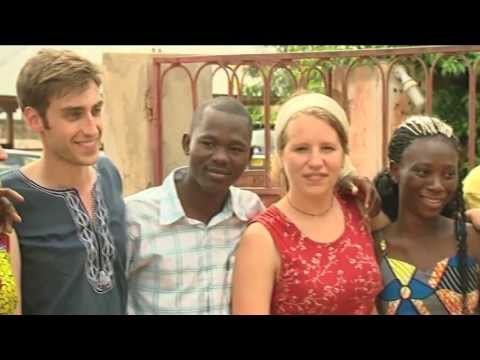 Louvain Coopération, universitaire et solidaire Año de publicación: 2013 Autor corporativo: Louvain Coopération Louvain Coopération, l'ONG de l'UCL met les compétences universitaires en pratique pour relever les défis du développement. Depuis 1981, l'ONG lutte contre la faim, la maladie et la pauvreté aux côtés des populations les plus défavorisées.Louvain Coopération est aujourd'hui la plus importante ONG universitaire de Belgique et mène 23 projets avec 140 partenaires au Sud.
  Students Get Involved With Louvain Coopération Año de publicación: 2013 Autor corporativo: Louvain Coopération UCL students get involved in Southern countries! Discover their adventures alongside Louvain Coopération, the UCL NGO! Des étudiants s'engagent aux côtés de Louvain Coopération Año de publicación: 2013 Autor corporativo: Louvain Coopération Des étudiants de l'UCL s'engagent pour les pays du Sud! Découvrez leurs aventures aux côtés de Louvain Coopération, l'ONG de l'UCL!
 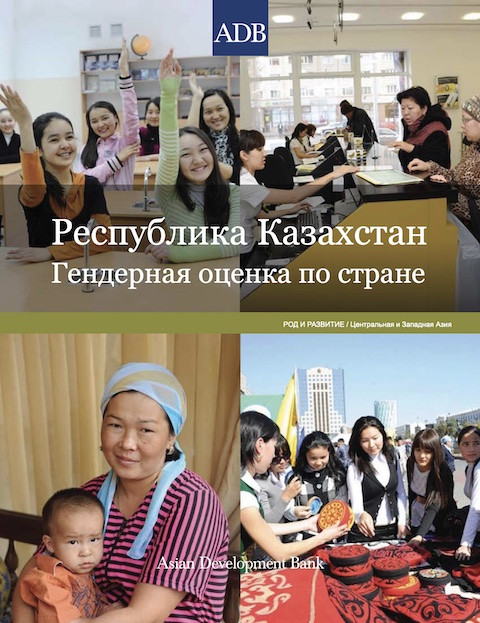 Kazakhstan Country Gender Assessment Año de publicación: 2013 Autor corporativo: Asian Development Bank (ADB) This country gender assessment report for the Republic of Kazakhstan is based on the 2006 report and is based on the experience accumulated by the Asian Development Bank (ADB) in its work to support gender equality and women's rights in Kazakhstan. The assessment takes into account ADB's Strategy 2020 and the various gender equality strategies and objectives adopted for all ADB interventions. Республика Казахстан: Гендерная оценка по стране Año de publicación: 2013 Autor corporativo: Asian Development Bank (ADB) Настоящий отчет о гендерной оценке по стране в республике Казахстан опирается на отчет 2006 года и основан на опыте, накопленным Азиатским банком развития (АБР) в рамках работы по поддержанию гендерного равенства и защите прав женщин в Казахстане. При проведении оценки учтены положения "Стратегии 2020" АБР и различных стратегий обеспечения гендерного равенства и целей, принятых для всех мероприятия АБР.
 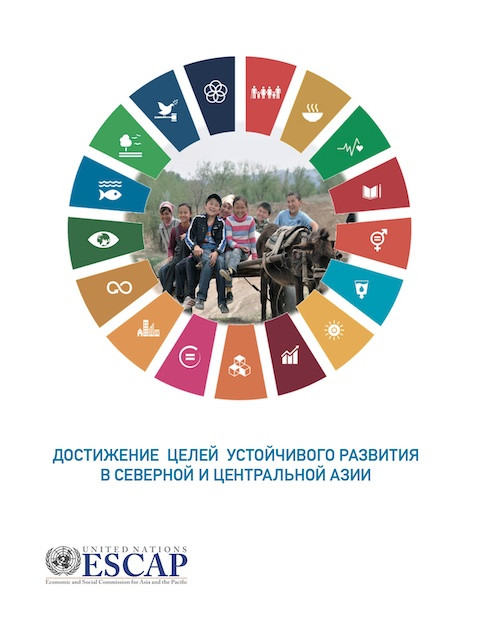 Achieving the Sustainable Development Goals in North and Central Asia Año de publicación: 2017 Autor corporativo: UN. Economic and Social Commission for Asia and the Pacific (UN. ESCAP) This report examines the immediate, medium-, and long-term challenges facing the SCC subregion in achieving the SDGs, especially in the event of sudden shocks to key fiscal drivers such as growth, interest rates, and government revenues. Достижение целей устойчивого развития в Северной и Центральной Азии Año de publicación: 2017 Autor corporativo: UN. Economic and Social Commission for Asia and the Pacific (UN. ESCAP) В настоящем исследовании определены приоритетные области для устранения разрывов в потенциале, необходимом для оказания поддержки осуществлению Повестки дня в области устойчивого развития на период до 2030 года с учетом имеющихся данных и рамочных концепций, существующих в странах Северной и Центральной Азии. В настоящей публикации также подчеркивается роль ЭСКАТО и ее текущих инициатив, направленных на развитие статистического потенциала в государствах-членах для определения исходных условий достижения прогресса в осуществлении Повестки дня в области устойчивого развития на период до 2030 года и его измерения, а также для содействия региональной интеграции посредством многостороннего сотрудничества и укрепления соединяемости.
 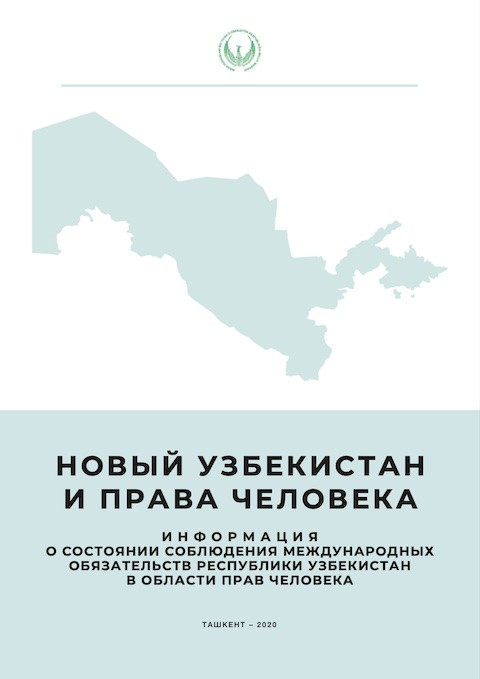 New Uzbekistan and Human Rights: Uzbekistan’s Progress Towards Compliance With International Obligations on Human Rights Año de publicación: 2019 Autor corporativo: National Human Rights Center (NHRC) The present information briefly highlights the basic directions of state policy on the implementation of personal, political, economic and social rights in 2018-2019. It also underlines the development of national human rights institutions, the role of civil society institutions in protecting human rights, as well as Uzbekistan’s human rights initiatives at the international arena and the implementation of international human rights treaties. Новый Узбекистан и права человека: Информация о состоянии соблюдения международных обязательств республики узбекистан в области прав Человека Año de publicación: 2019 Autor corporativo: National Human Rights Center (NHRC) В данной информации освещаются основные направления государственной политики за период 2018-2019 гг. по имплементации личных, политических, экономических и социальных прав, развитию национальных институтов по правам человека и роли институтов гражданского общества в защите прав человека, инициативах Узбекистана в области прав человека на международной арене, выполнению положений международных договоров в области прав человека.
 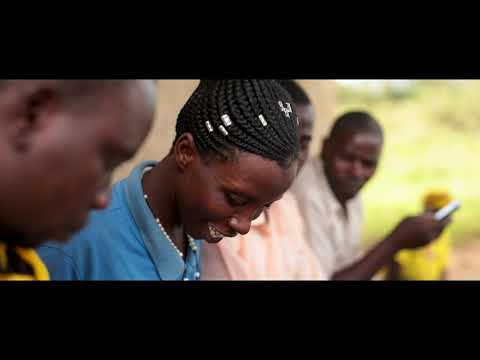 Mpanga Año de publicación: 2020 Autor corporativo: Îles de Paix This 15-minute report allows you to discover the life of rural populations in the Kabambiro areas in Uganda, but also the challenges these people face. This report shows how solutions are put in place to overcome these various difficulties, in particular by addressing the issue of sustainable family farming.