
Recursos
Exploren una amplia gama de recursos valiosos en GCED para profundizar su comprensión y promover su búsqueda, incidencia, enseñanza y aprendizaje.
3,438 resultados encontrados
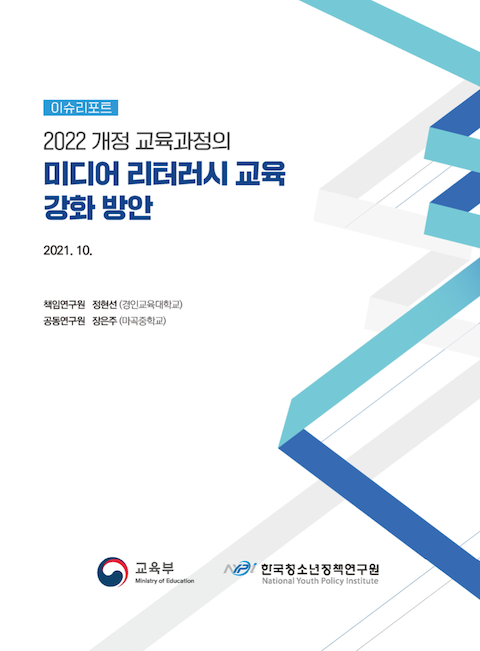 2022 개정 교육과정의 미디어 리터러시 교육 강화 방안 Año de publicación: 2021 Autor: 장은주 Autor corporativo: 한국청소년정책연구원 | 대한민국 교육부 본 연구는 2022 개정 교육과정의 미디어 리터러시 교육을 강화하기 위한 교과 교육과정의 교수학습・평가 방법 및 유의점에 통합 교육과정 운영에 관한 사항을 명시하였다. 학교급별로 맞춤형 전략을 적용할 것을 제안하고, 각 전략 관련 국내외 사례를 제시하였다.본 저작물은 한국청소년정책연구원에서 2021년 작성하여 공공누리 제 4유형으로 개방한 ‘2022 개정 교육과정의 미디어 리터러시 교육 강화 방안(정현선, 장은주)’ 를 이용하였으며 해당 저작물은 미리네 (www.miline.or.kr)에서 무료로 다운받으실 수 있습니다.
  청소년 미디어 이용 실태 및 대상별 정책대응방안 연구Ⅱ: 10대 청소년 Año de publicación: 2021 Autor: 배상률 | 이창호 | 김남두 Autor corporativo: 한국청소년정책연구원 본 연구의 목적은 10대 청소년들의 미디어 이용에 대한 심층 분석과 함께 청소년들의 디지털 시민성을 함양할 수 있는 증거기반의 정책방안을 도출하는 것이다. 총 3년간 진행되는 본 연구(2020년∼2022년)는 2020년도 1차 연도 연구에서는 미디어노출과 이용이 본격화되는 초등학생들의 미디어 이용 실태를 파악하였고 2021년도 2차 연도 연구에서는 SNS 사용이 활발하고 미디어를 통한 사회참여가 두드러지는 시기인 중고등학생과 학교 밖 청소년을 대상으로 미디어 이용 실태를 분석하였다. 2차 연구에서는 소셜리빙랩 연구 방법론을 적용하여, 부모들이 참여자로서의 실천적 경험을 공유하면서 청소년의 미디어 이용에 대한 이해를 주도적으로 재구성하고 확장할 수 있는 부모 교육의 기회를 만들어갈 수 있는 부모 참여형 미디어교육 프로그램 운영 방안 제시를 목표로 한다.본 저작물은 한국청소년정책연구원에서 2021년 작성하여 공공누리 제 4유형으로 개방한 ‘청소년 미디어 이용 실태 및 대상별 정책대응방안 연구Ⅱ: 10대 청소년(배상률, 이창호, 김남두)’ 을 이용하였으며 해당 저작물은 미리네 (www.miline.or.kr)에서 무료로 다운받으실 수 있습니다.
  학교미디어교육센터 설치 유형별 지역 안착방안 Año de publicación: 2021 Autor: 배상률 Autor corporativo: 한국청소년정책연구원 본 연구에서는 교육부를 포함한 학교미디어교육을 담당하는 부처 및 산하 기관 그리고 지역 미디어센터에 대해 살펴보고, 미디어교육 법제 현황과 한국청소년정책연구원이 최근 수행한 초중고 재학생들의 미디어 리터러시 교육 현황 및 인식 조사 결과를 고찰하였다. 또한 전문가 의견조사 및 설문조사를 통해 학생들의 미디어 리터러시 함양에 궁극적인 기여를 하는 학교미디어교육센터로 자리매김하기 위한 정책 방안을 제시하였다.본 저작물은 한국청소년정책연구원에서 2021년 작성하여 공공누리 제 4유형으로 개방한 ‘학교미디어교육센터 설치 유형별 지역 안착방안(배상률)’ 을 이용하였으며 해당 저작물은 한국청소년정책연구원 (www.nypi.re.kr)에서 무료로 다운받으실 수 있습니다.
 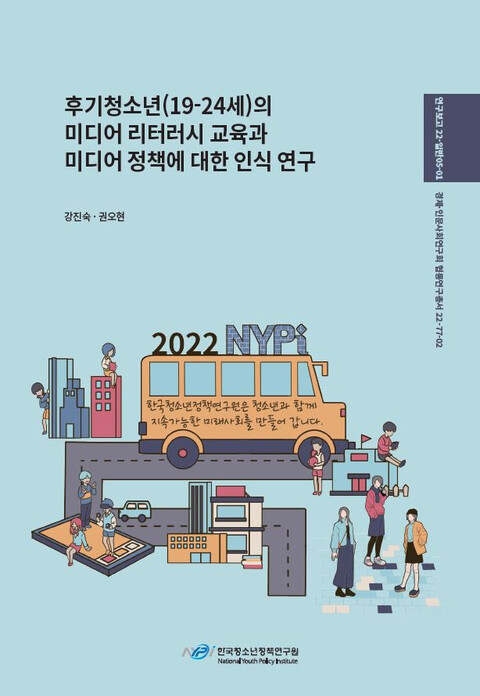 후기청소년(19-24세)의 미디어 리터러시 교육과 미디어 정책에 대한 인식 연구 Año de publicación: 2022 Autor: 강진숙 | 권오현 Autor corporativo: 한국청소년정책연구원 이 연구는 후기청소년의 미디어 리터러시 교육과 미디어 정책에 대한 인식 연구로서 후기청소년의 미디어 리터러시 교육적 쟁점과 국내외 사례를 살펴보고, 후기청소년 및 미디어 관련 전문가들의 인식을 통해 후기청소년이 미디어 리터러시 교육과 미디어 정책을 제안하는 데 목적이 있다.연구 진행을 위해 문헌연구, 전문가 자문, FGI(Focus group Interview) 및 심층인터뷰를 진행하였으며, 국내외 후기청소년의 미디어 이용 현황과 관련 정책을 문헌연구를 통해 알아보고, 함의를 도출하였다. 본 저작물은 한국청소년정책연구원에서 2022년 작성하여 공공누리 제4유형으로 개방한 ‘후기청소년(19-24세)의 미디어 리터러시 교육과 미디어 정책에 대한 인식 연구(강진숙, 권오현)’를 이용하였으며 해당 저작물은 한국청소년정책연구원 홈페이지 (https://www.nypi.re.kr)에서 무료로 다운받으실 수 있습니다.
 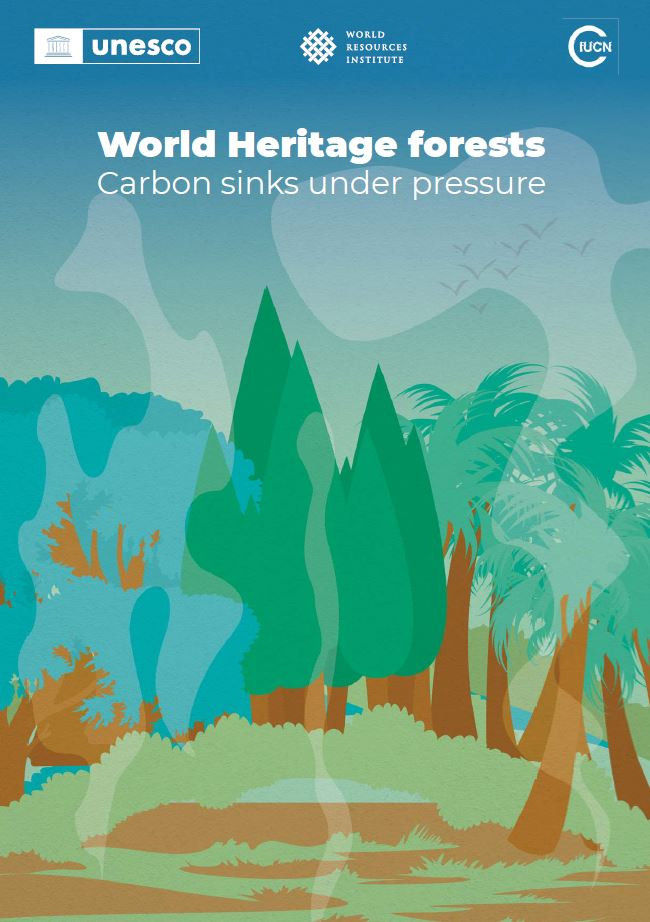 World Heritage Forests: Carbon Sinks Under Pressure Año de publicación: 2021 Autor: Tales Carvalho Resende | David Gibbs | Nancy Harris | Elena Osipova Autor corporativo: UNESCO | International Union for Conservation of Nature (IUCN) | World Resources Institute This report provides the first global scientific assessment of greenhouse gas emissions and sequestration in forests found in UNESCO World Heritage sites.World Heritage forests, whose combined area of 69 million hectares is roughly twice the size of Germany, are some of the most biodiversity-rich habitats on Earth and play a crucial role in climate regulation by absorbing carbon dioxide (CO2) from the atmosphere. However, these forests are under increasing anthropogenic pressures, including climate change.By combining remote sensing data with site-level monitoring, this report has quantified the climate benefits of World Heritage forests for the first time, assessed the impacts on carbon of common threats to World Heritage forests and identified sites that are net carbon sources. It therefore provides information to facilitate dialogues between policymakers and local stakeholders for the development of effective solutions aimed at maintaining the continuing role of World Heritage forests as sinks and stable carbon stores for future generations.
 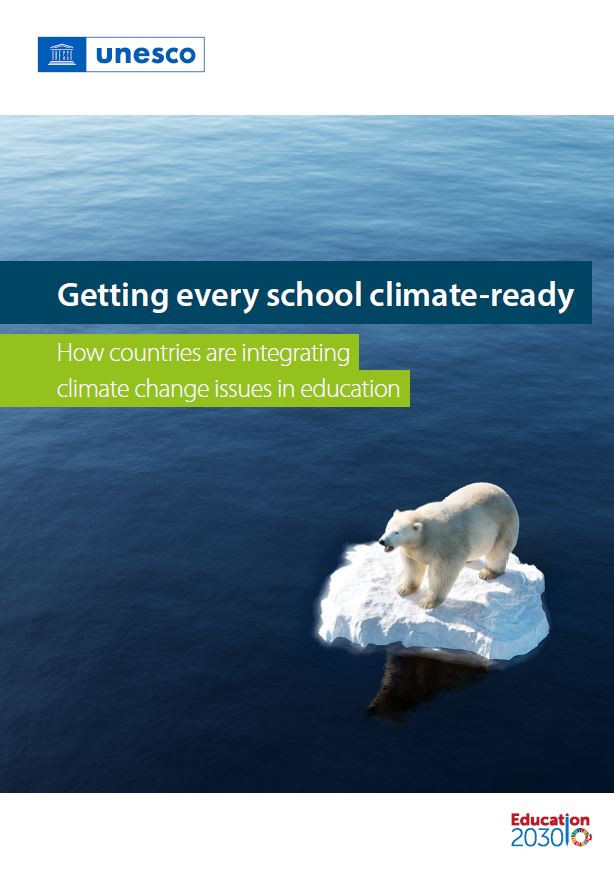 Getting Every School Climate-ready: How Countries are Integrating Climate Change Issues in Education Año de publicación: 2021 Autor corporativo: UNESCO This document summarizes the findings of selected studies by UNESCO and its partners on how climate change issues are integrated in education.These findings shed light on four key questions: where do we stand on climate change education; what do teachers say; what are the examples of country good practices on climate change education; and what does inter-ministerial collaboration on education for sustainable development look like?
  어린이와 미디어 리터러시 Año de publicación: 2022 Autor: 이원섭 | 조재희 | 최지선 Autor corporativo: 한국언론진흥재단 본 연구에서는 초등학생들의 미디어 이용에 대한 전반적인 특징을 진단하고 해외 사례 분석과 부모와 교사, 미디어 강사와의 심층인터뷰, 전문가 자문, 학생과 부모 대상의 설문조사를 통해 어린이의 미디어 리터러시 향상을 위한 정책 방안을 제시하고자 한다. 본 저작물은 한국언론진흥재단에서 2022년 작성하여 공공누리 제4유형으로 개방한 '어린이와 미디어 리터러시(작성자:이원섭, 조재희, 최지선)'를 이용하였으며, 해당 저작물은 한국언론진흥재단 홈페이지(https://www.kpf.or.kr/)에서 무료로 내려받으실 수 있습니다.
  Sub-Education Policy Review Report: Inclusive Education Año de publicación: 2021 Autor corporativo: UNESCO Inclusion highlights opportunities for an equal involvement of individuals with disabilities (physical, social, and emotional) when possible into typical education, but leaves accessible the probability of individual selections and possibilities for special aid and accommodations for persons who need it. This review was initiated by UNESCO to inform the ongoing discourse about inclusive education within Malaysia, Indonesia, Brunei, Philippine and Timur-Leste. Sustainable Development Goal 4 (SDG 4) reinforces the importance of inclusive education which adheres nations to adopt the framework of action in providing inclusion and equity through education of children with perceived differences. The review contributes to the body of literature on inclusive education by synthesizing policy recommendations and evaluations and identifying contradictions and overlaps in those policies. This review draws upon UNESCO reports pertaining to inclusive education policies and initiatives. In addition, a systematic review of empirical studies on inclusive education policy (2010-2020) identified from related and major databases (Eric) is conducted. Both the UNSECO reports and empirical studies are analyzed based on the SDG4 and its targets pertaining to inclusion policy.
 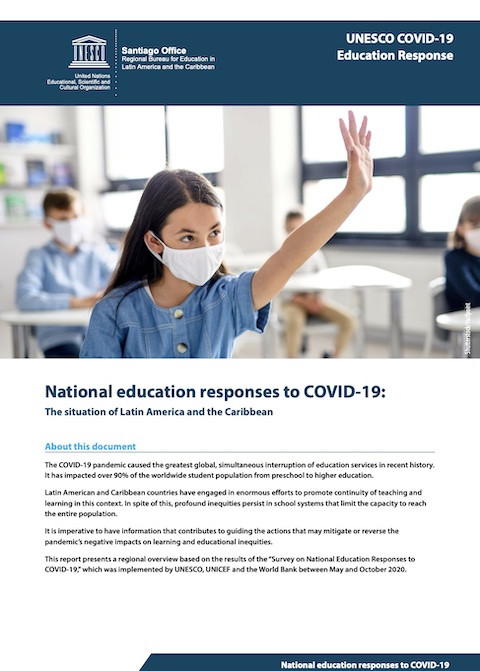 National Education Responses to COVID-19: The Situation of Latin America and the Caribbean Año de publicación: 2021 Autor corporativo: UNESCO The COVID-19 pandemic caused the greatest global, simultaneous interruption of education services in recent history. It has impacted over 90% of the worldwide student population from preschool to higher education.Latin American and Caribbean countries have engaged in enormous efforts to promote continuity of teaching and learning in this context. In spite of this, profound inequities persist in school systems that limit the capacity to reach the entire population.It is imperative to have information that contributes to guiding the actions that may mitigate or reverse the pandemic’s negative impacts on learning and educational inequities.This report presents a regional overview based on the results of the “Survey on National Education Responses to COVID-19,” which was implemented by UNESCO, UNICEF and the World Bank between May and October 2020. Las respuestas educativas nacionales frente a la COVID-19: El panorama de América Latina y el Caribe Año de publicación: 2021 Autor corporativo: UNESCO La pandemia de la COVID-19 provocó la mayor interrupción de servicios educativos, de forma global y simultánea, de la historia reciente y ha afectado a más del 90% de la población mundial de estudiantes, desde la educación preprimaria hasta la educación superior.Los países de América Latina y el Caribe han llevado adelante enormes esfuerzos para promover la continuidad de la enseñanza y el aprendizaje en este contexto. A pesar de ello, persisten en los sistemas escolares profundas inequidades que limitan la capacidad de alcanzar a toda la población.Es imperativo contar con información que contribuya a orientar las acciones que permitan atenuar o revertir los impactos negativos que ha provocado la pandemia en los aprendizajes y en las desigualdades educativas.Para ello este reporte presenta un panorama regional a partir de los resultados de la “Encuesta sobre las respuestas nacionales en materia de educación frente a la COVID-19", implementada por la UNESCO, UNICEF y el Banco Mundial entre mayo y octubre de 2020.