
Recursos
Exploren una amplia gama de recursos valiosos en GCED para profundizar su comprensión y promover su búsqueda, incidencia, enseñanza y aprendizaje.
3,380 resultados encontrados
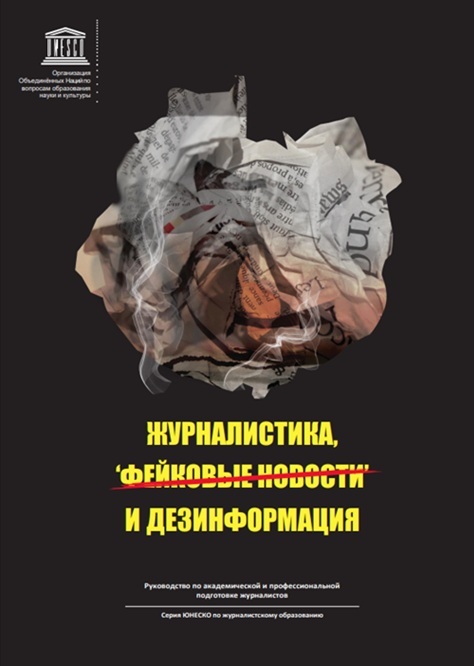 Журналистика, «фейковые новости» и дезинформация : Руководство для академической и профессиональной подготовки журналистов Año de publicación: 2019 Autor: Julie Posetti | Cherilyn Ireton | Claire Wardle | Hossein Derakhshan | Alice Matthews | Magda Abu-Fadil | Tom Trewinnard | Fergus Bell | Alexios Mantzarlis Autor corporativo: Организация Объединенных Наций по вопросам образования, науки и культуры (UNESCO) Данное руководство призвано служить образцом международной учебной программы, открытой для адаптации и внедрения. Это значимая попытка осмыслить глобальную проблему дезинформации, с которой сталкивается общество в целом и журналистика в частности. Типовая учебная программа предназначена для того, чтобы ознакомить преподавателей журналистики и студентов-журналистов с вопросами, связанными с "фейковыми новостями", и представить образец учебного плана.Оно объединяет вклад ведущих международных преподавателей журналистики и исследователей, которые помогают обновлять методы и практику журналистики для решения проблем дезинформации и некорректной информации. Занятия являются комплексными: теоретическими, а в случае онлайн-верификации в высшей степени практическими. Используемые вместе в качестве курса или независимо друг от друга, они могут помочь обновить существующие учебные модули или создать новые. Это руководство является частью глобальной инициативы по повышению качества журналистского образования, которая находится в центре внимания международной программы ЮНЕСКО по развитию коммуникации (МПРК) и направлена на привлечение внимания к преподаванию, практике и исследованию журналистики с глобальной точки зрения, включая обмен передовым международным опытом.
 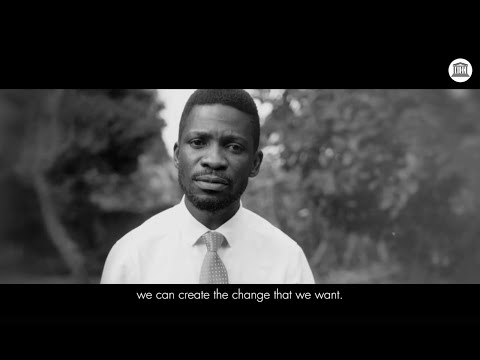 United Against Racism Año de publicación: 2020 Autor corporativo: UNESCO We all can do something against racism. You too. Join UNESCO and leading personalities from all over the world in denouncing mounting racial discrimination.This video features messages by the following prominent women and men from the worlds of cinema, the media, music, sport and science alongside UNESCO Director-General Audrey Azoulay: Charlotte Gainsbourg, Freida Pinto, Naomi Campbell, UNESCO Goodwill Ambassador Jean-Michel Jarre, UNESCO Artist for Peace Marcus Miller, Jorge Ramos, UNESCO Goodwill Ambassador Yalitza Aparicio, Rossy de Palma, UNESCO Goodwill Ambassador Sumaya bint Al Hassan, Bobi Wine, UNESCO Goodwill Ambassador Herbie Hancock, UNESCO Goodwill Ambassador Forest Whitaker, UNESCO Champion for Girls’ and Women’s Education Nadia Nadim, Amadou Gallo Fall, Ada Hegerberg and UNESCO Artist for Peace Gilberto Gil.UNESCO has been on the forefront of the fight against racism since its creation in 1945. In 1978, it adopted the Declaration on Race and Racial Prejudice which reaffirms that “All human beings belong to a single species and are descended from a common stock. They are born equal in dignity and rights and all an integral part of humanity.”Learn more: Fight against Racism and Discrimination
 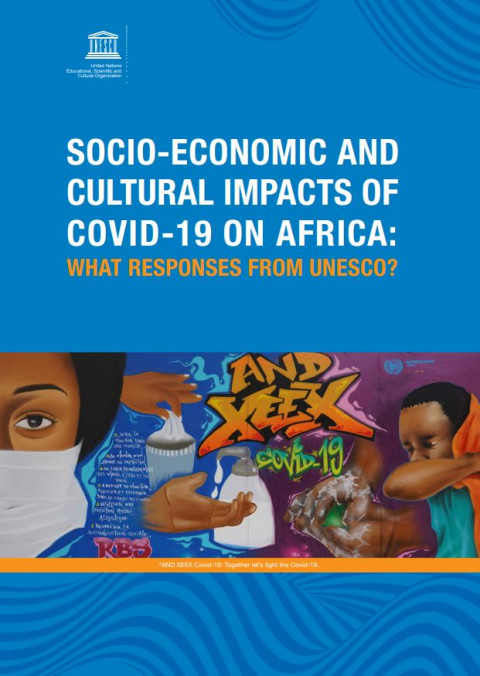 Socio-Economic and Cultural Impacts of COVID-19 on Africa: What Responses from UNESCO? Año de publicación: 2020 Autor corporativo: UNESCO This policy paper analyses the socio-economic and cultural impacts of the disease on Africa as a whole, caused by both the immediate effects and the present and future consequences of the pandemic, including on the African societal fabric, which is likely to lead to a fracture in the trust between States and their citizens and within communities themselves. As such, it highlights the main measures that were adopted by African countries to contain the crisis and its socio-economic and cultural effects. While committing to acting and reflecting on the present and future consequences of the pandemic, UNESCO aims to contribute substantially to the ongoing debates in Africa through the development of a strategic response to help the collective global and regional efforts against the pandemic. Incidences socio-économiques et culturelles de la COVID-19 sur l'Afrique: quelles réponses de l'UNESCO?? Año de publicación: 2020 Autor corporativo: UNESCO Ce document de politique analyse les incidences socioéconomiques et culturelles de la maladie sur l’Afrique dans son ensemble, aussi bien par les effets immédiats que les conséquences présentes et futures de la pandémie, y compris sur le tissu sociétal africain, susceptible d’entraîner une fracture de la relation de confiance entre les États et leurs citoyens, et au sein des communautés elles-mêmes. Ce faisant, elle met en lumière les principales mesures adoptées par les pays africains pour juguler la crise et ses effets socio-économiques et culturelles. Tout en s’engageant dans l’action et dans la réflexion sur les conséquences présentes et futures de la pandémie, l’UNESCO entend ainsi contribuer de manière substantielle aux débats en cours en Afrique à travers en l’articulation d’une réponse stratégique pour apporter sa contribution aux efforts collectifs mondiaux et régionaux de lutte contre la pandémie.
 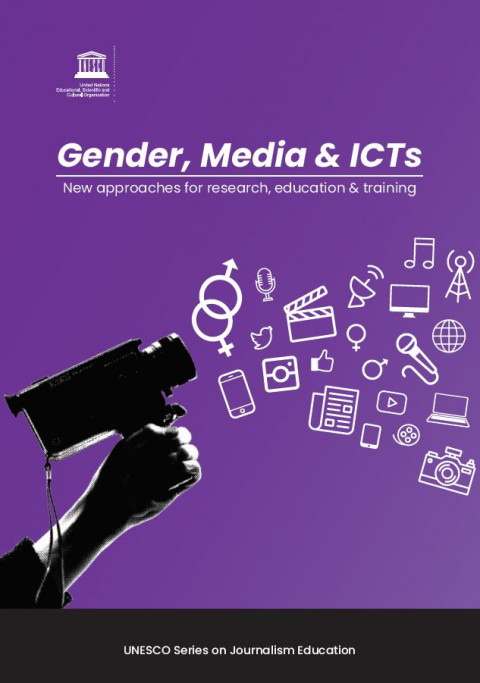 Gender, Media and ICTs: New Approaches for Research, Education & Training Año de publicación: 2019 Autor: Lisa French | Aimée Vega Montiel | Claudia Padovani Autor corporativo: UNESCO Higher education has to grapple with intense change in communications technologies, genres and business models - and with stubborn continuities in gender inequalities. This publication helps to navigate and transform the conundrum. It provides seven structured and practical modules, and a treasure trove of links to further resources. The book’s contents can empower its readers to advance gender equality in and through communications.
  Culture | 2030 Indicators: Thematic Indicators for Culture in the 2030 Agenda Año de publicación: 2019 Autor corporativo: UNESCO The Culture|2030 Indicators is a framework of thematic indicators whose purpose is to measure and monitor the progress of culture’s enabling contribution to the national and local implementation of the Goals and Targets of the 2030 Agenda for Sustainable Development (SDGs). The methodology is developed to assist countries and cities with very different capacities regarding the collection of data and cultural statistics. The evidence gathered will inform policies and decisions as well as operational actions enabling greater investments in culture as a sector of activity and a greater recognition of its transversal role across other sectors.
  Teacher Policy Development Guide Año de publicación: 2019 Autor corporativo: UNESCO | International Task Force on Teachers for Education 2030 Countries will need to have a broad perspective on teacher issues in order to meet Sustainable Development Goal 4 and address the provisions on Teachers in the Incheon Declaration with the Framework for Action of Education 2030. A system to orient the elaboration and/or review of national teacher policies will be a useful tool. The International Teacher Task Force builds on its comparative advantage as a global multiple-stakeholder alliance joining hands to address the global teacher challenges, to offer the present Teacher Policy Development Guide.Users will find relevant definitions of concepts, description of the different dimensions of teacher issues and how they correlate, and suggestions of phases in the process of developing a national teacher policy. Of utmost importance is the involvement of all stakeholders, especially the teachers, in the process.
  Ликвидация расовой дискриминации, расовой ненависти и преступлений на почве расовой ненависти во всем мире (Генеральная конференция; 40-я сессия) Año de publicación: 2019 Autor corporativo: Организация Объединенных Наций по вопросам образования, науки и культуры (UNESCO) На своей 207-й сессии Исполнительный совет в решении 207 EX/49 постановил включить данный пункт в повестку дня 40-й сессии Генеральной конференции. В настоящем документе отмечается, что расовая дис- криминация, подстрекательство к расовой ненависти и преступления на почве расовой ненависти представляют собой угрозу для всех народов и международного сообщества. С учетом этого Генераль- ному директору предлагается укрепить содержательный вклад ЮНЕСКО в борьбу с расизмом, расовой дискриминацией, ксенофо- бией и связанной с ними нетерпимостью и представить Исполнитель- ному совету на его 210-й сессии доклад о достигнутых в данной обла- сти результатах. 消除世界上的种族歧视、种族仇恨和种族仇恨犯罪 Año de publicación: 2019 Autor corporativo: 联合国教科文组织 (UNESCO) 本文件强调,种族歧视、煽动种族仇恨和种族仇恨犯罪对各国人民和国际社会构成威胁。考虑到这一点,兹要求总干事加大教科文组织对打击种族主义、种族歧视、仇外心理及相关不容忍行为的实质性贡献,并向执行局第二一〇届会议报告在这一事项上取得的进展。
 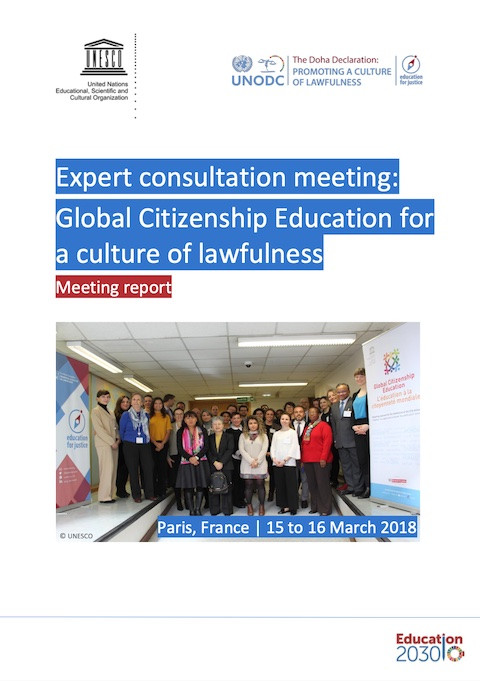 Expert Consultation Meeting: Global Citizenship Education for a Culture of Lawfulness; Meeting Report Año de publicación: 2018 Autor corporativo: UNESCO | UN. Office on Drugs and Crime (UNODC) In the context of a UNESCO/UNODC partnership on “Global Citizenship Education for a Culture of Lawfulness”, an expert consultation meeting was held in Paris on March 15 and 16 of 2018. The purpose of the partnership is to strengthen the capacities of educational systems to promote the rule of law. To this end, the partnership aims to empower and equip learners to act and engage in society as constructive and ethically responsible agents of change, supporting peace, justice, and strong institutions. This notably contributes to the achievement of the 2030 Agenda for Sustainable Development, and in particular Sustainable Development Goals 4 and 16. Additionally, the partnership intends to enable learners to be both motivated and capable to respond resiliently to crime and violence. The meeting had three broad objectives: To help clarify the conceptual foundation of the partnership; to identify the measures that can be taken in the education sector to promote a culture of lawfulness; and to identify effective educational approaches. Thus, the meeting is meant to elucidate core concepts and identify promising educational approaches in the promotion of a culture of lawfulness by asking fundamental questions, including: What constitutes the rule of law and a culture of lawfulness? How do we create demand for the rule of law? How do we ensure learners apply these principles? How do we ensure they survive in a context where there is no rule of law?