
Recursos
Exploren una amplia gama de recursos valiosos en GCED para profundizar su comprensión y promover su búsqueda, incidencia, enseñanza y aprendizaje.
730 resultados encontrados
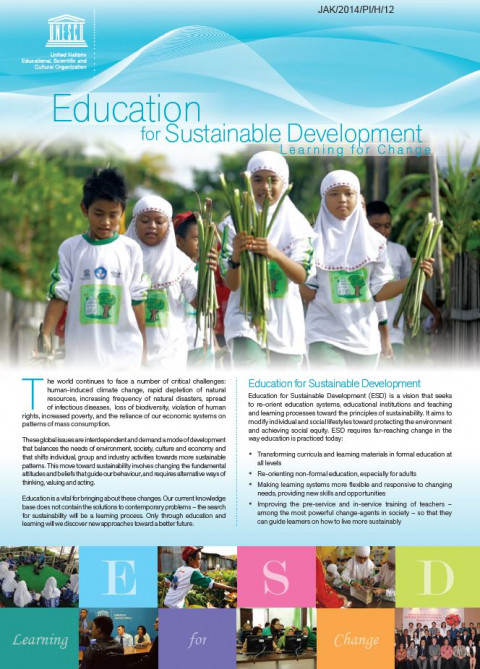 Education for Sustainable Development: Learning for Change Año de publicación: 2014 Autor corporativo: UNESCO Jakarta The world continues to face a number of critical challenges: human-induced climate change, rapid depletion of natural resources, increasing frequency of natural disasters, spread of infectious diseases, loss of biodiversity, violation of human rights, increased poverty, and the reliance of our economic systems on patterns of mass consumption. These global issues are interdependent and demand a mode of development that balances the needs of environment, society, culture and economy and that shifts individual, group and industry activities towards more sustainable patterns. This move toward sustainability involves changing the fundamental attitudes and beliefs that guide our behaviour, and requires alternative ways of thinking, valuing and acting. Education is a vital for bringing about these changes. Our current knowledge base does not contain the solutions to contemporary problems – the search for sustainability will be a learning process. Only through education and learning will we discover new approaches toward a better future.
 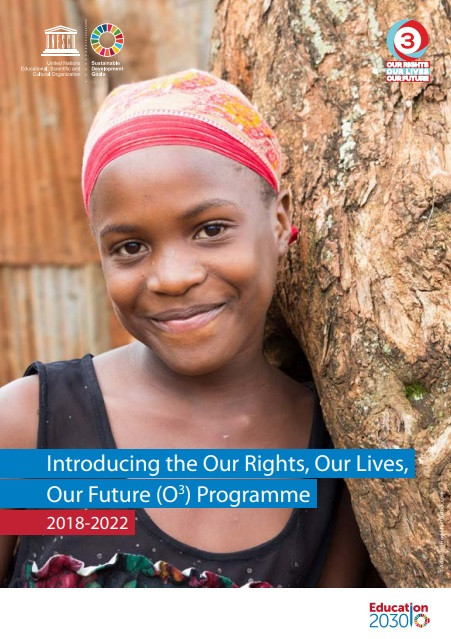 Introducing the Our Rights, Our Lives, Our Future (O3) Programme 2018-2022 Año de publicación: 2019 Autor corporativo: UNESCO Harare Comprehensive sexuality education is a curriculum-based process of teaching and learning about the cognitive, emotional, physical, and social aspects of sexuality. It aims to equip children and young people with the knowledge, skills, attitudes, and values that will empower them to protect their health, well-being, and dignity, as well as to develop respectful social relationships and consider the well-being of others affected by their choices. Importantly, it also helps them to understand and act upon their rights throughout their lives.
 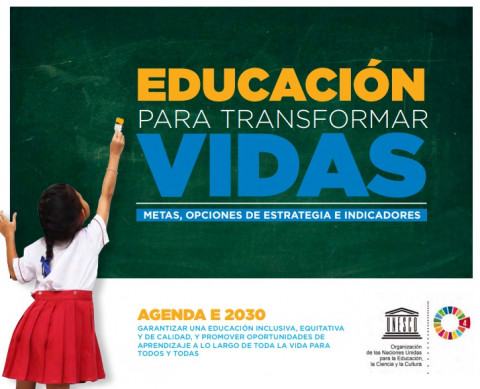 Educación para transformar vidas: metas, opciones de estrategia e indicadores Año de publicación: 2016 Autor corporativo: UNESCO Santiago La educación está en el centro de la agenda de desarrollo sostenible y es esencial para el éxito de todas estas metas. La nueva agenda de educación resumida en el Objetivo 4 es holística, ambiciosa, deseable y universal, yestá inspirada por una visión de que la educación transforma las vidas de las personas, las comunidades y las sociedades. La agenda atiende los temas no resueltos de los objetivos de la Educación para Todos (EPT) ylos ODM relacionados con la educación, al tiempo que aborda de manera efectiva los actuales y futuros desafíos de la educación a nivel mundial y nacional. Está basada en los derechos y está inspirada en una visión humanista de la educación y el desarrollo, con base en los principios de la dignidad humana, los derechos igualitarios, la justicia social, la paz, la diversidad cultural y la responsabilidad compartida. Basándose y continuando con el movimiento EPT, Educación 2030 toma en cuenta lecciones aprendidas desde 2000. Lo que es nuevo en esta agenda es su enfoque en mayores y más amplios resultados en el acceso, la equidad e inclusión, calidad y aprendizaje, además de un aprendizaje a lo largo de toda la vida.
 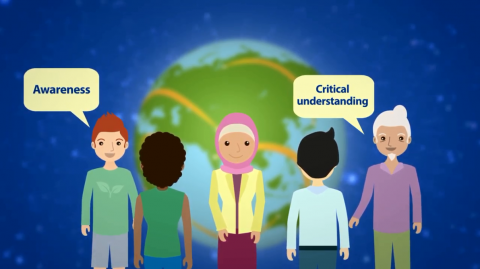 What is Global Education Año de publicación: 2019 Autor corporativo: North-South Centre of the Council of Europe Pedagogical video about the concept of global education and the approach of the North-South Centre of the Council of Europe.
 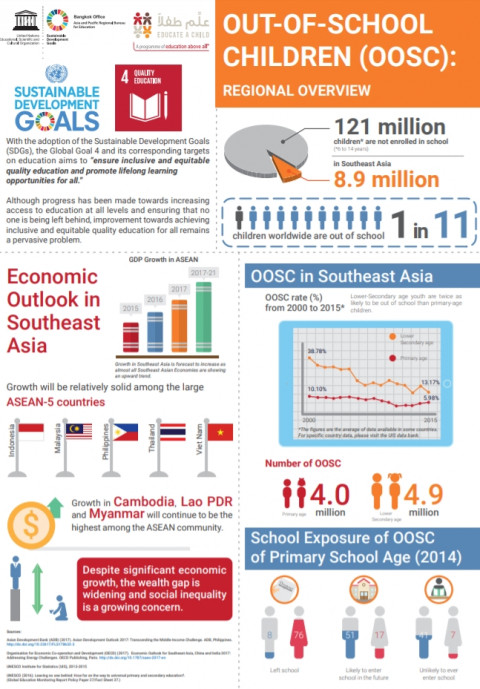 Out-of-School Children (OOSC): regional overview Año de publicación: 2017 Autor corporativo: UNESCO Bangkok This leaflet provides a regional overview of out-of-school children (OOSC) situation in Southeast Asia including school exposure of OOSC of primary school age. To provide learning opportunities for OOSC in the region, UNESCO Bangkok has launched the project titled “Strengthening Education Systems for Out of School Children” with the support of Educate a Child (EAC). Information on country activities implemented under the project is included in the leaflet.
 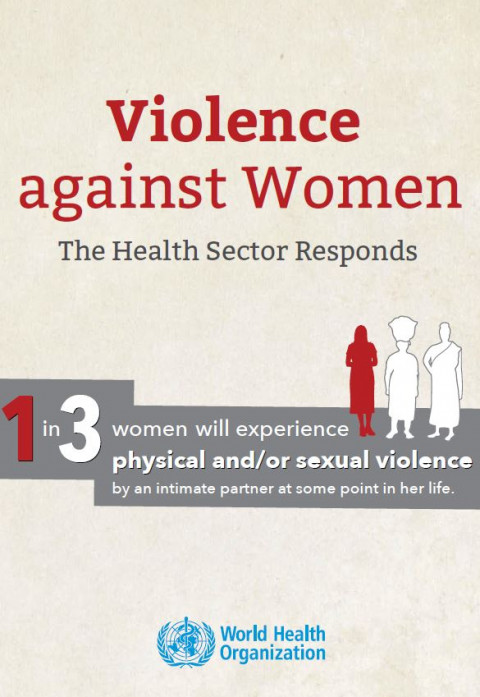 Violence Against Women Infographic: Health Impacts and the Role of the Health Sector Año de publicación: 2013 Autor corporativo: World Health Organization (WHO) The WHO Department for Management of NCDs, Disability, Violence and Injury Prevention, and Department of Reproductive Health and Research, have prepared an infographic displaying the prevalence and health and social consequences of violence against women, and what the health sector can do to address this public health problem. The infographic is targeted at policy makers and professionals working in the health sector and other relevant sectors.
 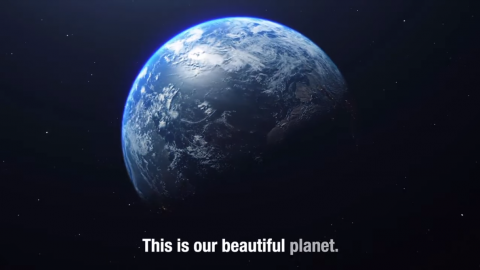 [Video] We must act now - for people and our planet Año de publicación: 2019 Autor corporativo: UN. Department of Economic and Social Affairs (UN. DESA) The world is facing challenges of an unprecedented nature. A polarized political landscape, worrisome signs of a global economic slow-down, growing inequalities, conflicts and a global environmental crisis. The evidence is clear: we must act now. The international community has a brief window of opportunity to accelerate action, using the plan in place to achieve a positive outcome for everyone: the 2030 Agenda for Sustainable Development and its 17 transformative Sustainable Development Goals (SDGs).
  The Lazy Person’s Guide to Saving the World Autor corporativo: United Nations (UN) End extreme poverty. Fight inequality and injustice. Fix climate change. Whoa. The Sustainable Development Goals are important, world-changing objectives that will require cooperation among governments, international organizations and world leaders. It seems impossible that the average person can make an impact. Should you just give up?No! Change starts with you. Seriously. Every human on earth—even the most indifferent, laziest person among us—is part of the solution. Fortunately, there are some super easy things we can adopt into our routines that, if we all do it, will make a big difference.Have a look at just a few of the many things you can do to make an impact!For more information: https://www.un.org/sustainabledevelopment/takeaction/
 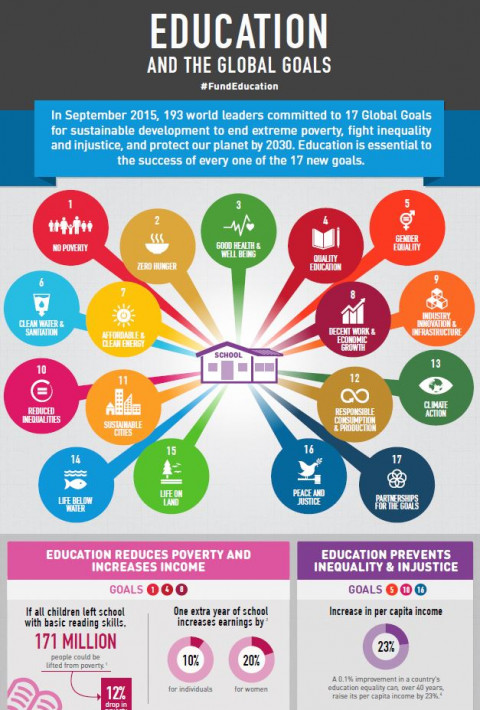 Education and the Global Goals Año de publicación: 2015 Autor corporativo: Global Partnership for Education (GPE) In September 2015, 193 world leaders committed to 17 Global Goals for sustainable development to end extreme poverty, fight inequality and injustice, and protect our planet by 2030. Education is essential to the success of every one of the 17 new goals.To learn more: https://www.globalpartnership.org/blog/17-ways-education-influences-new-17-global-goals
 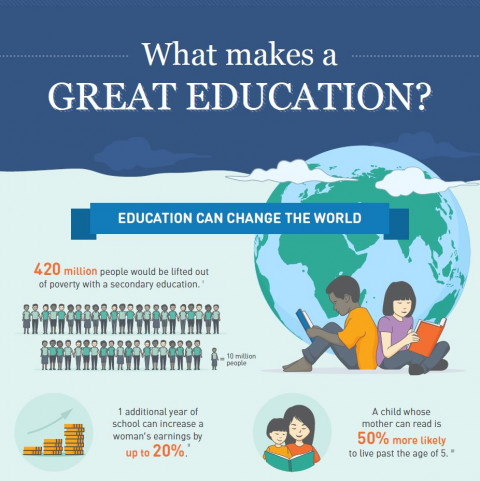 What Makes a Great Education? Año de publicación: 2019 Autor corporativo: Global Partnership for Education (GPE) GPE works to strengthen national education systems to dramatically increase the number of children who are in school and learning.Since 2002, GPE has worked with more than 65 developing countries to improve education planning and implementation, with great results.