
Recursos
Exploren una amplia gama de recursos valiosos en GCED para profundizar su comprensión y promover su búsqueda, incidencia, enseñanza y aprendizaje.
730 resultados encontrados
 The Road to the SDGs: A discussion with students Año de publicación: 2015 Autor corporativo: United Nations Children's Fund (UNICEF) Animated video to help children learn about important concepts for people and planet as covered in the Sustainable Development Goals (SDGs) Le chemin vers les objectifs de developpement durable Año de publicación: 2015 Autor corporativo: United Nations Children's Fund (UNICEF) Animated video to help children learn about important concepts for people and planet as covered in the Sustainable Development Goals (SDGs) El camino hacia los Objetivos de Desarrollo Sostenible Año de publicación: 2015 Autor corporativo: United Nations Children's Fund (UNICEF) Animated video to help children learn about important concepts for people and planet as covered in the Sustainable Development Goals (SDGs)
  One World, One People, One Future: Imagine a World that Understands, Embraces & Practices Peace and Sustainable Development Año de publicación: 2014 Autor corporativo: Mahatma Gandhi Institute of Education for Peace and Sustainable Development (MGIEP) One World, One People, One Future: Imagine a World that Understands, Embraces & Practices Peace and Sustainable Development
 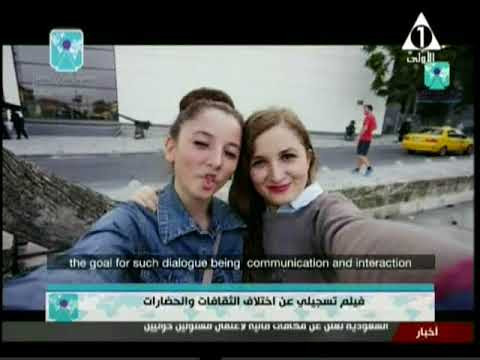 A Documentary about Different Cultures and Civilizations Año de publicación: 2017 Autor corporativo: Egypt News The documentary talks about the differences between cultures and civilizations. It talks about the importance of cross-fertilization between civilizations for a happy life and sustainable development. فيلم تسجيلى عن اختلاف الثقافات والحضارات Año de publicación: 2017 Autor corporativo: Egypt News يتحدث الفيلم الوثائقي عن الاختلافات بين الثقافات والحضارات. ويتحدث عن اهمية التلاقح بين الحضارات للعيش السعيد والتنمية المستدامة.
 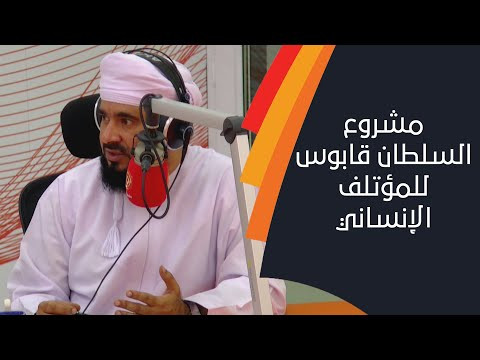 The Sultan Qaboos Project for the Humanitarian Año de publicación: 2019 Autor corporativo: Al Shabiba The program deals with the Human Recombinant Project, its importance and objectives. The project came with the blessing of the late Sultan in order to gather the efforts of nations to improve human lives, and to raise human awareness of the importance of a shared global ethics system. مشروع السلطان قابوس للمؤتلف الإنساني Año de publicación: 2019 Autor corporativo: Al Shabiba البرنامج يتطرق لمشروع المؤتلف الإنساني وأهميته وأهدافه. المشروع جاء بمباركة من السلطان الراحل من أجل جمع جهود الأمم في تحسين حياة البشر، ولإثارة الوعي الانساني بأهمية منظومة الاخلاق العالمية المشتركة.
 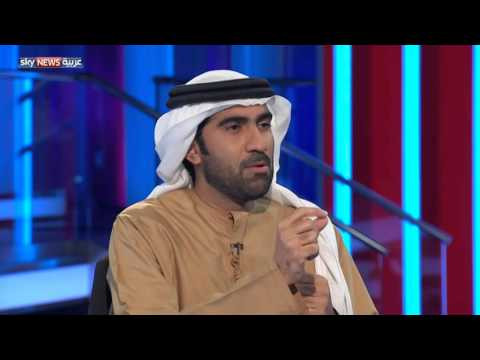 Gulf Society .. and the Multiplicity of Foreign Cultures Año de publicación: 2014 Autor corporativo: Sky News Arabia This video is a TV program discussing the case of multiculturalism in the Arab Gulf countries. The multiculturalism is brought to the Gulf by foreign workers. There program is having guests discussing the issue. What are the negative and positive effects of foreign cultures on local culture in the countries of the region? What are the ways to preserve the identity and values of society? المجتمع الخليجي.. وتعدد الثقافات الوافدة Año de publicación: 2014 Autor corporativo: Sky News Arabia برنامج تلفزيوني يناقش قضية التعددية الثقافية في دول الخليج العربي، ويتطرق لجلب التعددية الثقافية إلى الخليج من قبل العمال الأجانب. ويستضيف البرنامج مجموعة من الضيوف لمناقشة القضية. ويجاوب على الاسئبة التالية: ما هي الآثار السلبية والإيجابية للثقافات الأجنبية على الثقافة المحلية في دول المنطقة؟ ما هي طرق الحفاظ على هوية المجتمع وقيمه؟لمشاهدة المزيد، يرجى زيارة صفحة البرنامج على الموقع الإلكتروني لسكاي نيوز عربية من خلال الضغط على الرابط التالي:http://www.skynewsarabia.com/web/AlMasaa