
Recursos
Exploren una amplia gama de recursos valiosos en GCED para profundizar su comprensión y promover su búsqueda, incidencia, enseñanza y aprendizaje.
883 resultados encontrados
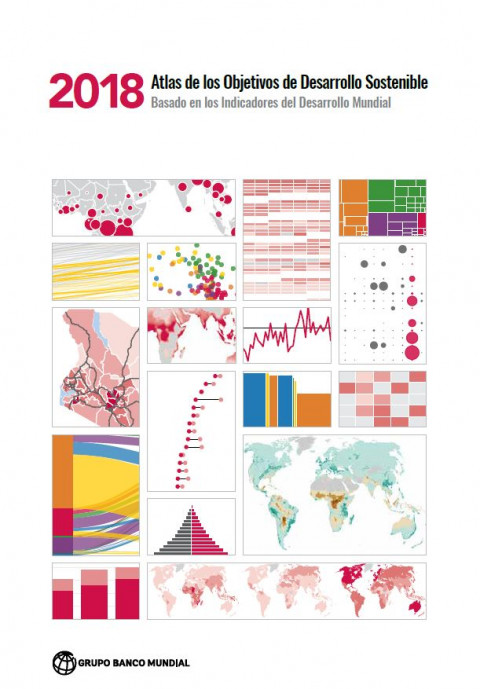 Atlas of the Sustainable Development Goals 2018 Año de publicación: 2018 Autor corporativo: البنك الدولي للانشاء والتعمير Atlas of the Sustainable Development Goals 2018 presents maps, graphs and stories related to the SDGs. It discusses trends, comparisons and measurement issues using visible and accessible data. The data are based on the World Development Indicators database.
  INSPIRE: Seven strategies for Ending Violence Against Children Año de publicación: 2016 Autor corporativo: World Health Organization (WHO) Evidence-based resource for everyone committed to preventing and responding to violence against children and adolescents – from government to grassroots, and from civil society to the private sector. It represents a select group of strategies based on the best available evidence to help countries and communities intensify their focus on the prevention programmes and services with the greatest potential to reduce violence against children. The seven strategies are: Implementation and enforcement of laws; Norms and values; Safe environments; Parent and caregiver support; Income and economic strengthening; Response and support services; and Education and life skills. Additionally, INSPIRE includes two cross-cutting activities that together help connect and strengthen – and assess progress towards – the seven strategies.
 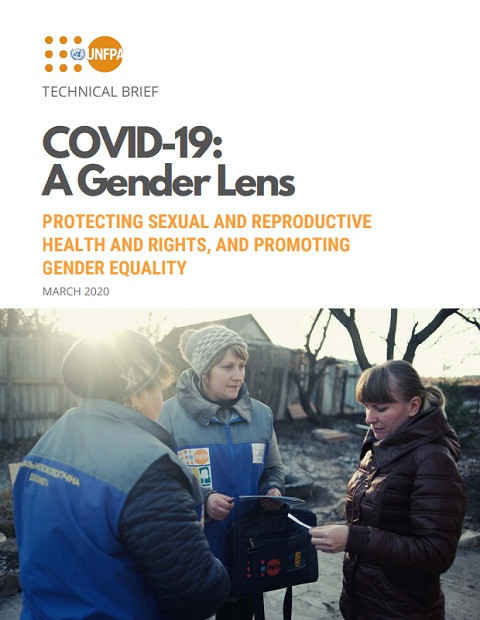 فيروس كورونا المستجد (كوفيد- 19): من منظور النوع الاجتماعي; حماية الصحة والحقوق الجنسية والإنجابية وتعزيز المساواة بين الجنسين Año de publicación: 2020 Autor corporativo: United Nations Population Fund (UNFPA) يؤثر تفشى الأمراض تأثيرآ مختلفآ على النساء والرجال، تجعل الأوبئة أوجه عدم المساواة القائمة ضد النساء والفتيات والتمييز بين الفئات المهمشة الأخرى، مثل الأشخاص ذوي الإعاقة والأشخاص الذين يعيشون في فقر مدقع، أسوأ. يجب الأخذ في الأعتبار هذا الأمر عند النظر إلى التأثيرات المختلفة المحيطة بعمليات أكتشاف المرض والحصول على العلاج بالنسبة النساء والرجال.تمثل المرأة 70 بالمائة من القوى العاملة بالقطاع الصحي والاجتماعي على مستوى العالم، وينبغي إيلاء اهتمام خاص لكيفية تعرضهن للتمييز في بيئة عملهن، وكذلك التفكير في صحتهن الجنسية والإنجابية واحتياجاتهن النفسية كعاملات صحيات يعملن في الخطوط الأمامية. COVID-19: A Gender Lens; Protecting Sexual and Reproductive Health and Rights, and Promoting Gender Equality Año de publicación: 2020 Autor corporativo: United Nations Population Fund (UNFPA) Disease outbreaks affect women and men differently, and pandemics make existing inequalities for women and girls and discrimination of other marginalized groups such as persons with disabilities and those in extreme poverty, worse. Women represent 70 percent of the health and social sector workforce globally and special attention should be given to how their work environment may expose them to discrimination, as well as thinking about their sexual and reproductive health and psychosocial needs as frontline health workers. This technical brief provides key messages and recommendations for protecting sexual and reproductive health and rights, and promoting gender equality during the COVID-19 pandemic.
  La prévention de la violence par l'éducation Año de publicación: 2018 Autor: Gabriele Goettelmann Autor corporativo: UNESCO Rabat Ce matériel de formation est composé de trois modules dédiés à La Prévention de la Violence par l’Education (PVE). Chaque unité devrait permettre aux participants à cette formation de mieux cerner la problématique de la violence et des extrémismes violents et d’utiliser correctement la terminologie associée. En même temps, il aborde le rôle de l’éducation dans la prévention de la violence et des extrémismes violents. COVID-19: Un Enfoque de Género; Proteger la salud y los derechos sexuales y reproductivos y promover la igualdad de género Año de publicación: 2020 Autor corporativo: United Nations Population Fund (UNFPA) Los brotes de enfermedades afectan a las mujeres y los hombres de manera diferente, y las pandemias exacerban las desigualdades existentes entre las mujeres y las niñas, lo mismo que la discriminación en contra de otros grupos marginados como las personas con discapacidad y aquellas en situación de pobreza extrema. Las mujeres representan el 70 por ciento de la fuerza laboral en el sector social y de salud en el mundo y, por ello, es importante prestar atención especial a la forma en que su entorno laboral puede exponerlas a actos de discriminación, además de pensar en sus necesidades psicosociales y de salud sexual y reproductiva como personal de salud de primera línea. COVID-19: Une optique sexospécifique; Protéger la santé et les droits en matière de sexualité et de reproduction, et promouvoir l’égalité des sexes Año de publicación: 2020 Autor corporativo: United Nations Population Fund (UNFPA) Les épidémies touchent les femmes et les hommes différemment, et les pandémies aggravent les inégalités existantes pour les femmes et les filles ainsi que la discrimination d’autres groupes marginalisés tels que les personnes handicapées et celles en situation d’extrême pauvreté. Les femmes représentent 70 pour cent de la main-d’œuvre du secteur social et de la santé dans le monde et une attention particulière devrait être accordée à la façon dont leur environnement de travail peut les exposer à la discrimination, ainsi qu’à la réflexion sur leur santé sexuelle et reproductive, et leurs besoins psychosociaux en tant que travailleuses de la santé de première ligne. Cette note technique offre des messages clés et des recommandations pour protéger la santé et les droits sexuels et reproductifs et promouvoir l'égalité des genres pendant la pandémie de COVID-19.
 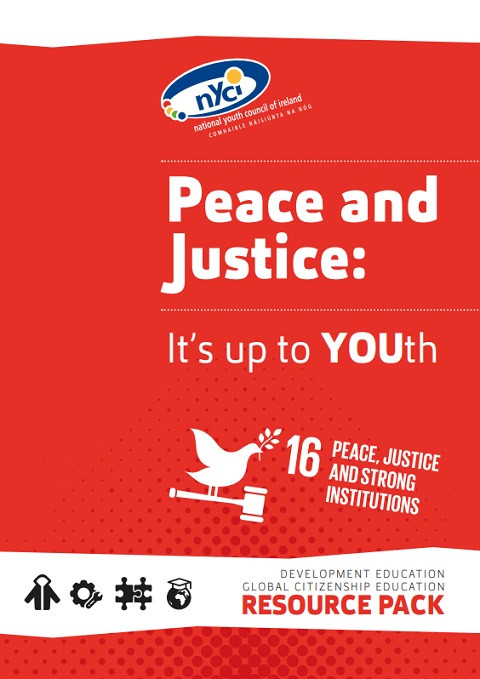 Peace and Justice: It’s up to Youth; Resource Pack Año de publicación: 2017 Autor: Valerie Duffy | Ismael Hayden | Dermot O’Brien Autor corporativo: National Youth Council of Ireland (NYCI) | Irish Aid This resource for youth workers on Peace, Justice and the SDGs focuses on Goal 16. It provides activities and opportunities for young people (and those who work with young people) to engage more on key issues of our time, to reflect on root causes and consequences, and to clear a path for this generation to lay strong foundations for present and future pathways to peace, justice, equality, and human rights.
  Recommendations for Teaching and Learning about the Holocaust Año de publicación: 2019 Autor corporativo: International Holocaust Remembrance Alliance (IHRA) These recommendations, written by a group of international experts, are crafted to help educators with fact-based and educationally sound techniques for teaching the complex and nuanced history of the Holocaust. These recommendations will allow you to: Explain why teaching and learning about the Holocaust matters. The guidelines provide compelling reasons for covering the Holocaust in classroom curricula, so that students have a deeper understanding of the past and how it shapes the present. Find appropriate sources for the classroom. Covering this subject in a way which is both sensitive and accurate can be difficult; these recommendations include practical guidance on how to make your choices. Bring curricula up to date with latest research. There’s a huge range of recent research in this field; we’ve made it easy to incorporate these findings into your classroom.
  학교 현장 적용을 위한 평화교육 정책 연구 Año de publicación: 2020 Autor: 이대훈 Autor corporativo: 서울특별시교육청 교육연구정보원 | 서울교육정책연구소 본 연구는 서울특별시교육청의 학교 평화교육 도입 및 시행을 위한 평화교육 개념 및 정책 방향을 설정하는 토대 연구이다. 이를 통해서 변화하는 한반도 현실에 적합한 평화교육 정책 모색하면서, 학교 현장의 필요에 적합한 평화교육의 내용 및 활성화 방법과 평화교육과 교과 교육과정과의 연계의 방향을 찾고자 한다. 본 연구에서 다루는 평화교육의 초점은 ‘평화역량’ 개념의 교육적 적용, 즉 평화역량 중심의 평화교육을 위한 정의와 프로그램이다. 이를 위해 국내외 주요 평화교육으로부터의 시사점, 서울특별시교육청의 평화교육 비전 설정 및 주제와 이행단계 설정, 교육 현장의 욕구 및 필요를 반영한 평화교육의 통합적 운영 방안을 제시한다. 서울특별시교육청교육연구정보원이(가) 창작한 [서교연2019-25]2019 위탁연구(학교 현장 적용을 위한 평화교육 정책 연구) 최종보고서 저작물은 "공공누리 제4유형(출처표시-상업적 이용금지-변경금지)" 조건에 따라 이용 할 수 있습니다.