
Recursos
Exploren una amplia gama de recursos valiosos en GCED para profundizar su comprensión y promover su búsqueda, incidencia, enseñanza y aprendizaje.
3,385 resultados encontrados
 دور رياض الأطفال في تنمية المسئولية الاجتماعية لدى طفل الروضة (المجلة العلمية لكلية رياض الأطفال ببورسعيد; Vol. 2020, Issue 16) Año de publicación: 2020 Autor: Zainab Mousa Al Samahi | Eman Gamal Fickry | Manar Mohammed Al Zanati Autor corporativo: Port Said University. Faculty of Kindergarten هدف البحث الحالي إلى تقصي دور رياض الأطفال في تنمية المسئولية الاجتماعية لدى طفل الروضة تكونت عينة البحث من (98) معلمة رياض أطفال تم اختيارهن بطريقة عشوائية من إدارة دمياط التعليمية بمحافظة دمياط و اعتمدت الباحثة على المنهج الوصفي و لتطبيق أهداف البحث تم استخدام استبانة من إعداد الباحثة و تطبيقها على عينة البحث وقد توصلت نتائج البحث إلى مجموعة من العوامل التي تحول دون قيام رياض الأطفال بدورها في تنمية المسئولية الاجتماعية لدى طفل الروضة منها: الإثابة القليلة من المعلمة للطفل عندما يتعاون مع زملائه قلة الإمكانات المادية التي توفرها إدارة الروضة لتطوير الأنشطة التي تعزز تحمل الطفل المسئولية- قصور إدارة الروضة في توظيف إمكاناتها المادية المتاحة لخدمة المجتمع المحلي. The Role of Kindergarten in the Development of Social Responsibility of the Kindergarten Child (Scientific Journal of the Faculty of Kindergarten in Port Said; Vol. 2020, Issue.16) Año de publicación: 2020 Autor: Zainab Mousa Al Samahi | Eman Gamal Fickry | Manar Mohammed Al Zanati Autor corporativo: Port Said University. Faculty of Kindergarten The research aimed to investigate the role of kindergartens in developing social responsibility for the kindergarten child. The research sample consisted of (98) kindergarten teachers, chosen randomly from the Damietta Educational Administration in Damietta Governorate, and the researcher relied on the descriptive approach. To apply the research goals, a questionnaire was used from the researcher's preparation and application to the research sample, The results of the research found a set of factors that prevent kindergartens from playing their role in developing social responsibility of the kindergarten child, including: The small reward of the teacher for the child when he cooperates with his colleagues, a lack of training the teacher for the child to wear his clothes himself, the lack of material resources provided by the kindergarten to develop activities that enhance the child’s responsibility - the kindergarten’s failure to use its financial possbilities to serve the local community.
  United Nations Strategy and Plan of Action on Hate Speech: Detailed Guidance on Implementation for United Nations Field Presences Año de publicación: 2020 Autor corporativo: United Nations (UN) The Strategy and Plan of Action acknowledges that hate speech has the potential to incite violence and undermine social unity. It recognizes that hate speech has been a precursor to atrocity crimes, including genocide, over the past 75 years. This approach to coordinating efforts across the UN system to identify, prevent and confront hate speech is grounded in international human rights standards, including the right to freedom of opinion and expression, principles of equality and non-discrimination, as well as other fundamental rights. The Strategy aims to give the United Nations the room and the resources to address hate speech, which poses a threat to UN principles, values and programmes. It guides the UN system on how to address hate speech and includes ways to support United Nations Resident Coordinators’ action in addressing and countering hate speech on the ground.
  Toward a More Inclusive Post-COVID Recovery: A Tool to Further the Caribbean Policy Agenda Año de publicación: 2022 Autor: Anna Kasafi Perkins | Stacy Richards-Kennedy | Don Marshall | R. Clive Landis Autor corporativo: UNESCO Kingston | University of the West Indies The Caribbean is a grouping of islands and low-lying coastal countries of sovereign nations and dependent territories that share a history of colonialism and coloniality,1 which has shaped and continues to shape their “complex mix of political and administrative structures”. Indeed, Caribbean nations experience a “paradoxical, type of political sovereignty and experience of development”. All Caribbean nations have been classified by the United Nations as Small Island Developing States (SIDS), taking account of “the peculiar social, economic and environmental vulnerabilities” they experience. Caribbean SIDS are highly indebted and vulnerable to climate change, hurricanes and other natural hazards. At the same time, theirs is a paradoxical existence as their vulnerabilities place them alongside least developed countries, in spite of some being designated by the World Bank as high or middle-income countries. Such classification limits access to the international financing needed towards achieving the Sustainable Development Goals.
  كـراسي اليونسكو في المغرب العربي Año de publicación: 2023 Autor corporativo: UNESCO Rabat في كانون ألاول/ديسمبر 2022، احتفل برنامج توأمة الجامعات/كرايس اليونسكو بالذكرى السنوية الثلاثين لتأسيسه. ولعل استمرار وتطورهذا البرنامج طيلة هذه المدة يؤشران على طابعه الاستراتيجي بالنسبة لليونسكو وللدول ا ألاعضاء على السواء. ويروم هذا البرنامج تعبئة الجامعات ومن خلالها جميع الجهات الفاعلة في مجال التنمية لدعم السياسات العمومي في مختلف مراحلها (من البلورة والتنفيذ إل التقييم) وعلى مختلف مستويات الحكامة (الدولية والوطنية والترابية) لتحقيق أهداف التنمية المستدامة. ويسعى البرنامج إلى جعل الجامعات الوطنية مراكز امتياز موضوعاتية قادرة على المساهمة في تحسين أداء العمل العمومي وتعزيز بعدهالاستشرفي، باعتبارها فضاء متكاملا للتكوين والبحث والتوعية.كما يستمد البرنامج أهميته من خصوصيات مقاربته المنهجية. حيث يستند، من ناحية، إلى تعزيزالتشبيك وتعدد التخصصات، ومن ناحية أخرى،إلى الاخذ بعين الاعتبار بطريقة جوهرية ومنهجية الهدف الاستراتيجي المتمثل في بناء القدرات الوطنية. ويهدف اليونسكو لمنطقة الغرب العربي إلى المواكبة الدولاألاعضاء التي يغطيها، في عملية تطوير هذا البرنامج والاستفادة من إمكاناته المختلفة، بالتعاون مع الدوائر الوطنية للتربية والعلومي والثقافة. ويعدإصدارهذه الطبعة ألاولى من كتيب كرايس اليونسكو الجامعية في المغرب العربي مبادرة فيبيأولى هذا الاتجاه. Chaires UNESCO au Maghreb Año de publicación: 2023 Autor corporativo: UNESCO Rabat En décembre 2022, le programme UNITWIN/Chaires UNESCO a fêté son trentième anniversaire. Sa longévité et sa dynamique de développement illustrent son caractère stratégique pour l’UNESCO et pour les Etats membres. Ce programme vise à mobiliser les universités et, à travers elles, l’ensemble des acteurs de développement, pour accompagner les politiques publiques pour atteindre les objectifs de développement durable (ODD). Le programme consiste à faire des universités nationales des centres d’excellence thématiques qui sont, en tant qu’espaces intégrés de formation, de recherche et de sensibilisation, en capacité de contribuer à améliorer la performance de l’action publique et à renforcer sa dimension prospective. Ce programme puise sa pertinence dans les spécificités de sa démarche. Cette dernière repose, d’une part, sur la promotion du réseautage et de la pluridisciplinarité et, d’autre part, sur la prise en compte de manière intrinsèque et systématique de l’objectif stratégique de renforcement de capacités nationales. Le Bureau de l’UNESCO pour le Maghreb ambitionne d’accompagner les Etats membres qu’il couvre à développer ce programme et à mettre à profit ses différentes potentialités, en collaboration avec les services concernés au Siège de l’UNESCO à Paris et les Commissions nationales pour l’éducation, les sciences et la culture. La production de cette première édition de la brochure des Chaires UNESCO au Maghreb constitue une première initiative dans ce sens.
  The UNESCO Recommendation on the Ethics of AI: Shaping the Future of Our Societies Año de publicación: 2023 Autor corporativo: German Commission for UNESCO | Netherlands National Commission for UNESCO | Slovenian National Commission for UNESCO The UNESCO commissions of Germany, the Netherlands and Slovenia with the support of IRCAI have jointly published a brochure on the UNESCO recommendation on the ethics of artificial intelligence. It summarizes the most important content in a compact manner and presents the central demands from the areas of health, culture, the environment, gender equality as well as education and research. The recommendation with its diverse topics is not only relevant for political experts, but it offers one for various areas of application of the ethical framework and thus serves as an orientation for dealing with AI in general. The brochure is available for the wider public in a number of formats including the original Adobe InDesign file that allows translations to be inserted and format pages, resulting in new versions of the brochure. Therefore, we strongly encourage all UNESCO Commissions from across all UNESCO regions Africa, Arab States, Asia and the Pacific, Europe and North America, Latin America and the Caribbean to use the text in the basic files and translate the content into their own languages, including using the graphic file to setup their own designs of the brochure.
 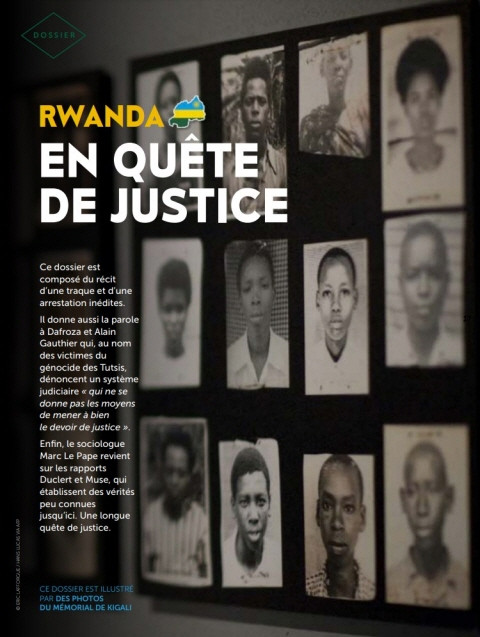 Rwanda: In Search of Justice(Humains; no.30) Año de publicación: 2024 Autor corporativo: Action by Christians for the Abolition of Torture (ACAT France) On the thirtieth anniversary of the genocide of the Tutsis in Rwanda, ACAT-France looks back at this tragic event for human rights. Discover the dossier in the magazine Humains #32 devoted to this subject. Rwanda: En quête de justice (Humains; n° 30) Año de publicación: 2024 Autor corporativo: Action by Christians for the Abolition of Torture (ACAT France) À l’occasion du trentième anniversaire du génocide des Tutsis au Rwanda, l’ACAT-France revient sur cet événement tragique pour les droits de l’Homme. Découvrez le dossier de la revue Humains #32 consacré à ce sujet.
 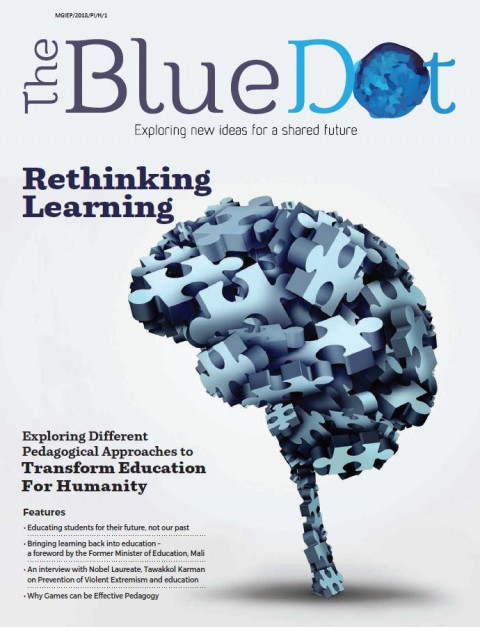 Rethinking Learning: Exploring Different Pedagogical Approaches to Transform Education for Humanity (The Blue Dot Issue 7, 2018) Año de publicación: 2018 Autor corporativo: Mahatma Gandhi Institute of Education for Peace and Sustainable Development (MGIEP) In the seventh issue of the Blue Dot, we focus on Rethinking Learning. The Issue includes a foreword by the Former Minister of Education of Mali, H.E. Adama Samassékou on how education systems need to be re-looked at to incorporate personalised learning and technology as an enabler and our Cover Story, which focuses on the importance of socio-emotional learning.Additionally, we feature opinions by specialists from academia, research, policymaking and the industry on the need to relook at education systems for the future. Amongst various experts, we hear from Andreas Schleicher, Director of Education and Skills and Special Advisor on Education Policy to the Secretary-General at the Organisation for Economic Co-operation and Development (OECD); Anneli Rautiainen from the Finnish National Agency for Education as well as Pratik Mehta, Head of Education & Skills, Microsoft India.Further, we present short blogs from the youth about what future education systems mean to them and we hear from Nobel Laureate, Ms Tawakkol Karman on the importance of education for peace.