
Recursos
Exploren una amplia gama de recursos valiosos en GCED para profundizar su comprensión y promover su búsqueda, incidencia, enseñanza y aprendizaje.
2,162 resultados encontrados
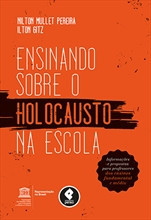 Teaching about the Holocaust in schools: Information and proposals for teachers of primary and secondary education This textbook aims at helping teachers of primary and secondary education to address the Holocaust theme in their classes. This book contains suggested activities, lists of books and films references to help pupils to make connections between the Holocaust and others genocides but also to develop critical thinking and respect for human rights. Ensinando sobre o Holocausto na Escola : Informações e Propostas para Professores dos Ensinos Fundamental e Médio This textbook aims at helping teachers of primary and secondary education to address the Holocaust theme in their classes. This book contains suggested activities, lists of books and films references to help pupils to make connections between the Holocaust and others genocides but also to develop critical thinking and respect for human rights. Enseignement de la Shoah dans les écoles: l'information et de propositions pour les enseignants de l'enseignement primaire et secondaire Ce manuel vise à aider les enseignants de l'enseignement primaire et secondaire pour aborder le thème de l'Holocauste dans leurs classes. Ce livre contient des suggestions d'activités, des listes de livres et de films références pour aider les élèves à faire des liens entre les génocides Holocauste et autres, mais aussi de développer la pensée critique et le respect des droits de l'homme.
  Teaching Guidelines of the International Holocaust Remembrance Alliance The website of the International Holocaust Remembrance Alliance, an intergovernmental body dedicated to Holocaust education, remembrance and research, contains much practical information on all aspects of Holocaust education.
 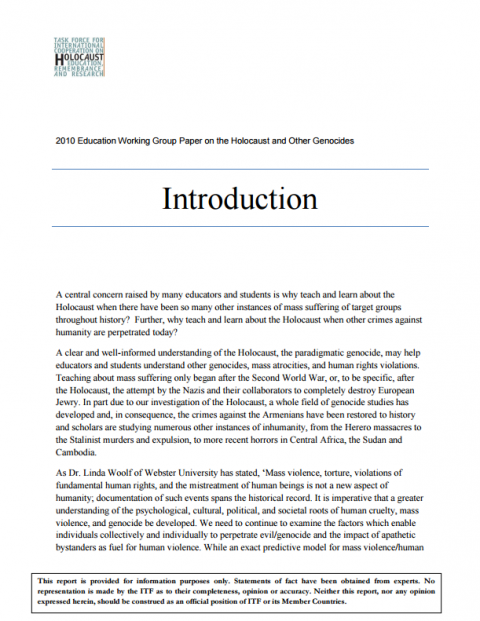 Holocaust and Other Genocides In this series of documents, the IHRA's Education Working Group offers ideas and recommendations to educators who wish to teach about the Holocaust and its relationship to other genocides and crimes against humanity. The Holocaust and the United Nations Outreach Programme Detailed information on the Holocaust and the United Nations Outreach Programme can be found at this website. Educational materials as well as professional development opportunities are presented.
 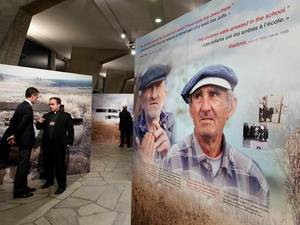 UNESCO Education about the Holocaust The website of UNESCO is a good place to begin an exploration of Holocaust and human rights education. It provides an international structural framework for examining the connection between the Holocaust and genocide and human rights issues. UNESCO Education about the Holocaust Le site de l'UNESCO est un bon endroit pour commencer une exploration de l'Holocauste et éducation aux droits de l’homme. Il fournit un cadre structurel international pour étudier le lien entre les questions d’Holocauste et de génocide et de questions liées aux droits de l'homme.
 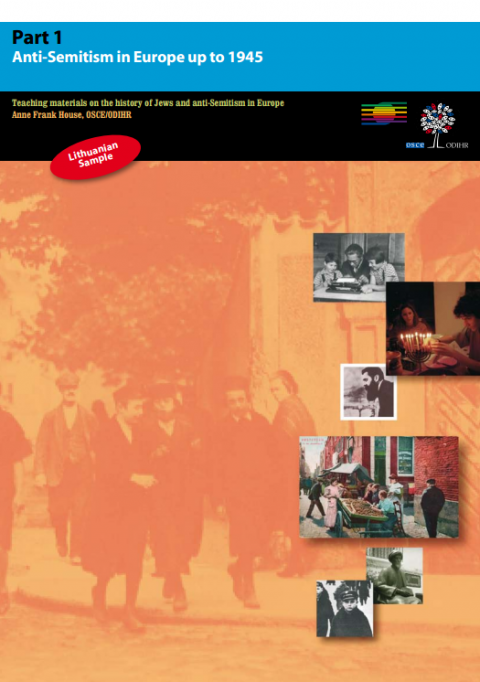 Anti-Semitism in Europe up to 1945 (Vol 1) These teaching materials were developed by ODIHR and the Anne Frank House in Amsterdam, in co-operation with experts from several OSCE participating States. Part 1 examines the history of anti-Semitism. The version available here is an English translation of the Lithuanian version.
 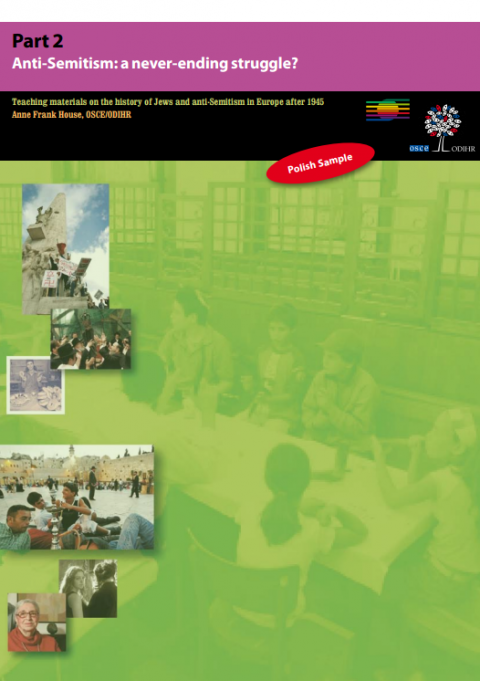 Anti-Semitism: A Never-ending Struggle? (Vol 2) These teaching materials were developed by ODIHR and the Anne Frank House in Amsterdam, in co-operation with experts from several OSCE participating States. Part 2 covers contemporary forms of anti-Semitism. The version available here is an English translation of the Polish version.