
Recursos
Exploren una amplia gama de recursos valiosos en GCED para profundizar su comprensión y promover su búsqueda, incidencia, enseñanza y aprendizaje.
130 resultados encontrados
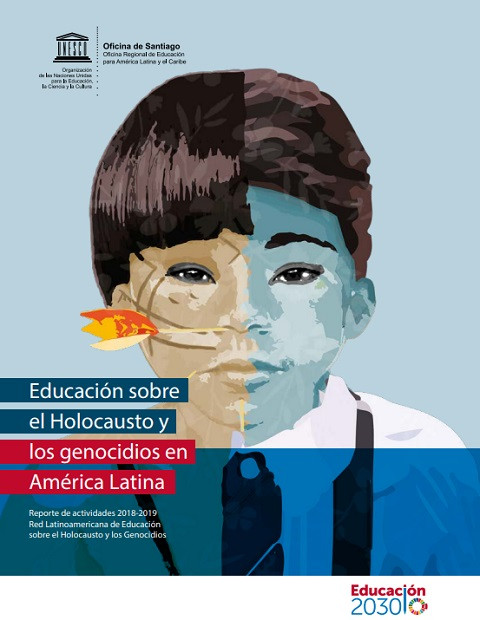 Educación sobre el Holocausto y los genocidios en América Latina: Reporte de actividades 2018-2019 de la Red Latinoamericana de Educación sobre el Holocausto y los Genocidios Año de publicación: 2019 Autor corporativo: UNESCO Santiago Este documento presenta políticas, experiencias, planes y programas en América Latina, dedicadas a la educación sobre el holocausto y otros genocidios.
 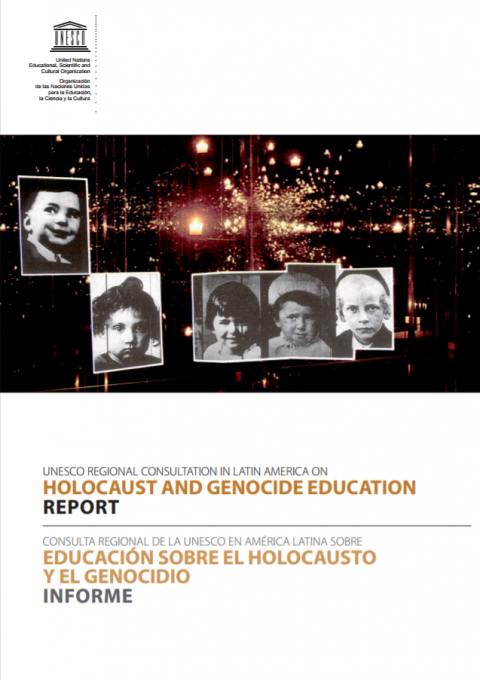 Consulta regional de la UNESCO en América Latina sobre educación sobre el Holocausto y el genocidio: informe Año de publicación: 2014 Autor corporativo: UNESCO Santiago This consultation with Latin American Member States sought to raise awareness amongst policymakers and education specialists of the region about the history of the Holocaust, as it can contribute to the prevention of genocide, following United Nations General Assembly resolution 60/7 on Holocaust remembrance. The meeting also aimed at fostering concrete cooperation between UNESCO and Member States on education about the history of genocide and mass atrocities, notably the Holocaust, with a view of introducing the subject in the curriculum and of developing relevant educational programmes in the region. The overall objectives of the project were as follows:▶ Strengthen educational leaders’ awareness and support for Holocaust remembrance and education about the history of genocide and mass atrocities, in line with regional efforts to foster education for peace and human rights.▶ Increase the implementation of education programmes about the history of the Holocaust and other genocides, and support interested Ministries of Education to introduce these subjects in the curriculum.▶ Foster regional exchanges about this topic and facilitate access to good practices regarding Holocaust and genocide related issues and peace education.
 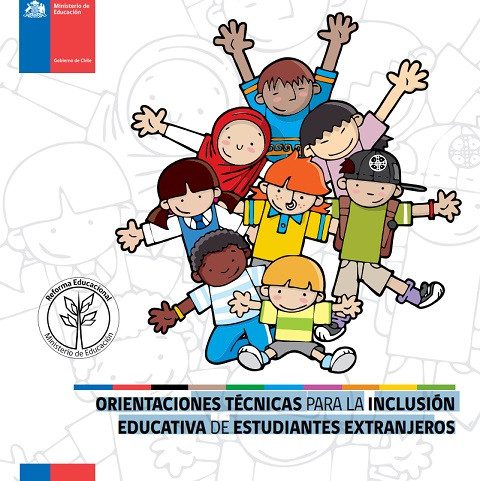 Technical Guidelines for the Educational Inclusion of Foreign Students Año de publicación: 2017 Autor corporativo: Chile. Ministry of Education This book offers general guidelines for the incorporation of an intercultural approach in the inclusion of foreign students, but also of other migrant and diverse populations. Orientaciones técnicas para la Inclusión educativa de estudiantes extranjeros Año de publicación: 2017 Autor corporativo: Chile. Ministerio de Educación Este libro ofrece orientaciones generales para la incorporación de un enfoque intercultural en la inclusión de estudiantes extrangeros, pero también de otras poblaciones migrantes y diversas.
 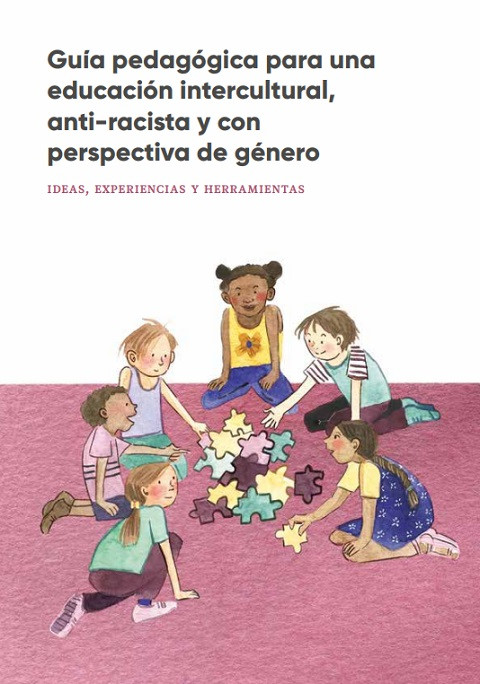 Pedagogical Guide for an Intercultural, Anti-Racist and Gender Perspective Education: Ideas, Experiences and Tools Año de publicación: 2017 Autor corporativo: Programa Interdisciplinario de Estudios Migratorios (PRIEM) | Fundación Superación de la Pobreza (FSP) | Embajada de Canadá en Chile The book is about intercultural, anti-racist and gender education and contains both theoretical and practical working tools, as well as international and dynamic experiences for working in educational settings. Guía pedagógica para una educación intercultural, anti-racista y con perspectiva de género: Ideas, experiencias y herramientas Año de publicación: 2017 Autor corporativo: Programa Interdisciplinario de Estudios Migratorios (PRIEM) | Fundación Superación de la Pobreza (FSP) | Embajada de Canadá en Chile El libro trata sobre la educación interculural, anti-racista y de género y contiene tanto herramientas de trabajo teóricas como prácticas, así como experiencias internacionales y dinámicas para el trabajo en espacios educativos.
  Traces of Memory: London 38 Short Film Año de publicación: 2012 Autor corporativo: Londres 38 This short film is based on six stories related to London 38, a house used as a place of detention and torture of opponents of the Augusto Pinochet dictatorship. The voices of the protagonists were given to young cartoonists and illustrators for the making of this film.
  Mi objeto migrante Autor corporativo: Museo de la Memoria y los Derechos Humanos Material educativo desarrollado por el Museo de la Memoria y los Derechos Humandos a partir de objetos asociados con historias de exilio durante la dictadura de Augusto Pinochet en Chile. Trazos de memoria: Cortometraje de Londres 38 Año de publicación: 2012 Autor corporativo: Londres 38 Este cortometraje está basado en seis historias vinculadas a Londres 38, un inmueble utilizado como lugar de detención y tortura de opositores a la dictadura de Augusto Pinochet. Las voces de los protagonistas fueron entregados a dibujantes e ilustradores jívenes, para la realización de esta película.
 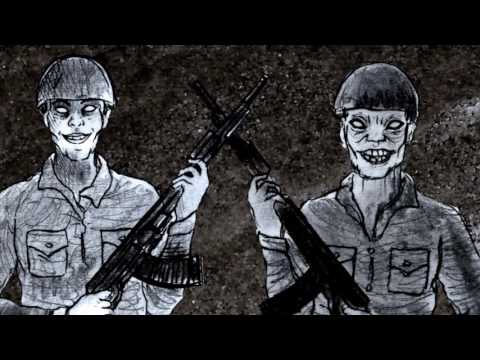 Traces of Memory 2: Short Film Año de publicación: 2017 Autor corporativo: Londres 38 Second part of the short film based on stories related to London 38, a house used as a place of detention and torture of opponents of the Augusto Pinochet dictatorship. The voices of the protagonists were given to young cartoonists and illustrators for the making of this film.