
Recursos
Exploren una amplia gama de recursos valiosos en GCED para profundizar su comprensión y promover su búsqueda, incidencia, enseñanza y aprendizaje.
2,668 resultados encontrados
 Violence against Women, its forms and Legal Protection Mechanisms against it in light of Law No. 15-19 of 2015 Año de publicación: 2020 Autor: Houbah Abdel Qader,Awad Fateha Violence against women is a real appearance of a social phenomenon. It has been widespread in recent years since the beginning of this millennium, as violence in its material and moral appearance has become a real threat to all vulnerable groups in societies. Violence against women in all its forms is also considered a crime punishable by law, which requires combating, criminalizing it, and emphasizing its perpetrators. Since violence against women is a crime recognized today locally and internationally, most laws and legislations have come to condemn it. It also recognizes its serious, health and psychological effects on women specifically. This research paper discusses the forms of physical and moral violence practiced against her, and to identify the mechanisms adopted by the criminal Algerian legislator following the recent changes taking place in the Penal Code for the year 2015 in order to combat violence.
  دور النيابة العامة في مكافحة عمالة الأطفال Año de publicación: 2022 Autor: Qasim Ahmed | Ohaibia Abdullah تشير ظاهرة تشغيل الأطفال إلى استغلال الأطفال في أي شكل من أشكال العمل بما يحرم الأطفال من طفولتهم،ويعيق قدرتهم على الذهاب إلى المدرسة، ويؤثر تأثير ضار عقليا أو جسديا أو اجتماعيا أو معنويا، ونظرا لخطورة العمل على صحة الأطفال، وتماشيا مع الاتفاقيات التي ابرمتها دولة الجزائرية في هذا الشأن، حيث وضع المشرع الجزائري أليات لمحاربة هذه الظاهرة منها تحريك الدعوى العمومية من طرف وكيل الجمهورية ضد كل مستخدم يقوم بتشغيل الأطفال دون السن القانونية. The role of the Public Prosecution in combating child labor Año de publicación: 2022 Autor: Qasim Ahmed | Ohaibia Abdullah The phenomenon of child labor refers to the exploitation of children in any form of work that deprives children of their childhood, impedes their ability to go to school, and has a harmful effect mentally, physically, socially or morally, and given the seriousness of work on the health of children, and in line with the agreements concluded by the state In this regard, the Algerian legislator has put in place mechanisms to combat this phenomenon, including the public prosecution by the Republic Prosecutor against every employee who employs children under the legal age.
  عمالة الأطفال بين الواقع والمأمول Año de publicación: 2020 Autor: Barak Khadra يتخذ الأطفال نسبة تقدر بالثلث تقريباً من سكّان العالم، ويشكلون ما يقارب نصف سكان كثير من الدول حول العالم؛ لذلك فلا بدّ من أن يحدث تفاعل ملموس بين الأعمال التجارية وحياة الأطفال بشكل مباشر أو غير مباشر التأثير، هذا ويتخذ الأطفال نسبة كبيرة من الاهتمام كمستهلكين في الأعمال التجارية الكبيرة، لذلك كان لا بدّ من تركيز الاهتمام على الأطفال العاملين في الأعمال التجارية بصورة غير شرعية من خلال منع عمل الأطفال والقضاء على هذه الظاهرة تماماً بواسطة تشديد المعايير والإجراءات اللازمة للحد من ظاهرة عمالة الأطفال، وترسيخ حقوق الأطفال وتسليط الضوء عليها. حيث بدأت ظاهرة عمل الأطفال بالتزايد بشكل كبير في العالم العربي إلى حدٍ ينذر بالخطورة، مما أدى الى التسرب المدرسي والتفكك الأسري وزيادة معدل الفقر والبطالة، وتتمحور التوقعات في ذلك إلى ازدياد نسبة البطالة بين الأفراد البالغين من السكان، بالإضافة إلى تفشي الفقر بين غالبية الدول العربية، ويشار إلى أنّ مصطلح عمل الأطفال هو حرمان للأطفال من الطفولة والكرامة والإمكانيات، ويلحق ذلك ضرراً جسمياً بنموهم البدني والعقلي على حد سواء؛ بالإضافة إلى انطواء ذلك على استرقاقهم. Child labor between Reality and Hopes Año de publicación: 2020 Autor: Barak Khadra Child labor between reality and hope abstract: Children make up nearly one-third of the world's population and make up nearly half of the population of many countries around the world. Thus, there is a need for tangible interaction between businesses and children's lives directly or indirectly. Children take a large share of attention as consumers in In this context, it was necessary to focus attention on children working in illegal businesses by preventing and eradicating child labor by tightening the standards and procedures necessary to reduce the phenomenon of child labor and to consolidate and highlight the rights of children. Where the phenomenon of child labor has begun to increase dramatically in the Arab world to the extent that it is dangerous, resulting in school dropout, family disintegration, and the increase in poverty and unemployment. The expectation is that the unemployment rate among the adult population will increase, , The term child labor is defined as depriving children of childhood, dignity and potential, and physically harming their physical and mental development, as well as their enslavement.
  أسباب و أبعاد عمالة الأطفال Año de publicación: 2020 Autor: Fatima Kharshuf انتشرت ظاهرة تشغيل الأطفال عبر دول العالم بشكل كبير ،حيث يوجد العديد من العوامل التي تدفع الأطفال للعمل من بينها ،العامل الاجتماعي المتمثل في الفقر و تدني مستوى المعيشة ، العامل التعليمي و يظهر من خلال انتشار الأمية و جهل الأسر بأهمية التعليم لهم و لأبنائهم ،أما العامل الاقتصادي فيتجلى في تدني مستوى التنمية و انتشار البطالة ، و عامل عدم الاستقرار أين نلاحظ تأثير الحروب على الأطفال حيث تتسبب الحروب و الأزمات الاقتصادية في التشرد و الهجرة التي تجبر الأطفال على العمل ، وهناك العامل القانوني الذي يبين ضعف الدول في القيام بمسؤوليتها في فرض قوانين تمنع تشغيل الأطفال و تعاقب مخالفيه .تؤثر عمالة الأطفال على الطفل أين تعيق نموه النفسي والعاطفي و الجسدي ،كما تؤثر على الدول من خلال تأثيرها على المجتمع أين ينتج عنها مجتمع غير متوازن في تكوينه ،واهم أثر تتسبب فيه الظاهرة هو البعد الاقتصادي حيث لا يساهم الادماج المبكر للطفل في سوق العمل في تحقيق نتائج ايجابية بل هو استثمار خاسر على كل الأصعدة. Causes And Dimensions Of Child Labor Año de publicación: 2020 Autor: Fatima Kharshuf The phenomenon of child labor has spread throughout the countries of the world greatly, where there are many factors that push children to work, among them the social factor represented in poverty and the low standard of living, the educational factor, and it appears through the spread of illiteracy and families' ignorance of the importance of education for them and their children. The economic is reflected in the deterioration of the level of development, the spread of unemployment, and the factor of instability Where do we observe the effect of wars on children, where wars and economic crises cause displacement and migration that forces children to work, and there is the legal factor that shows the weakness of states in carrying out their responsibility to impose laws that prevent child labor And the punishment of those who violate it. Child labor affects the child wherever it hinders his psychological, emotional and physical development, as well as affects countries through their influence on society where an unbalanced society results in its formation, and the most important effect of the phenomenon is the economic dimension where the early integration of the child does not contribute to The labor market is to achieve positive results, but it is a losing investment on all levels.
 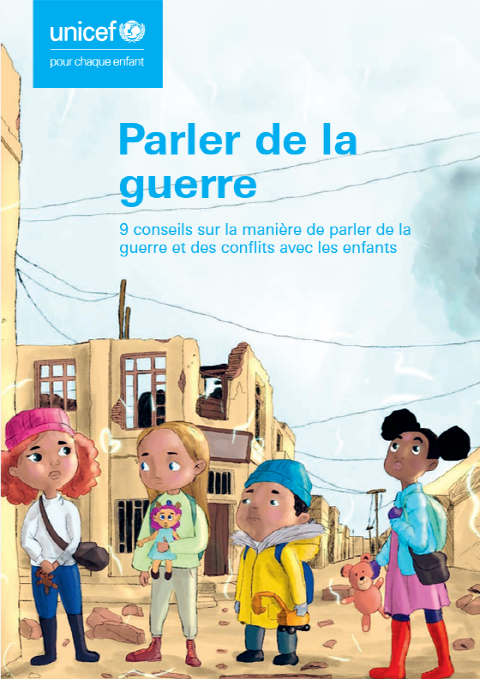 Parler de la guerre: 9 conseils sur la manière de parler de la guerre et des conflits avec les enfants Año de publicación: 2023 Autor corporativo: United Nations Children's Fund (UNICEF) La guerre est un sujet difficile, souvent lié à des images ou informations perturbantes, en particulier pour les enfants. Comment les parents, les proches et les enseignants doivent-ils/elles se comporter et comment peuvent-ils/elles apaiser les craintes des enfants ?Peur, tristesse, colère, nervosité : ces sentiments ainsi que d’autres peuvent survenir lorsqu’une guerre ou un conflit fait les gros titres. Dès que les enfants ont besoin de sécurité et de protection, ils/elles se tournent vers leurs parents, proches et enseignants - encore plus en périodes de crise. Vous trouverez ici neuf conseils sur la manière de communiquer avec les enfants, les soutenir et leur apporter du réconfort.
 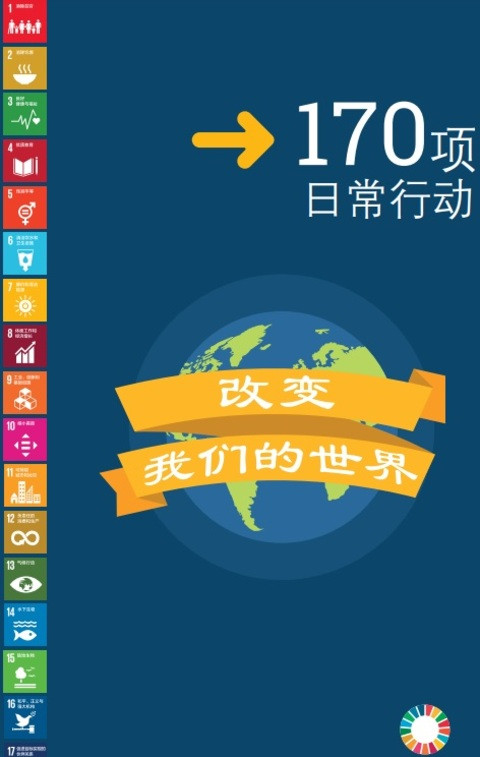 170项日常行动改变我们的世界 Año de publicación: 2018 Autor corporativo: 联合国日内瓦办公室 | 日内瓦国际 这份学习资源是联合国围绕17个可持续发展目标所给予普通人如何践行可持续生活方式的建议。
  The Articulation of Organizational Levels During Interactions of International Students: Current Situation in Various Regions of Quebec (Canada) Año de publicación: 2020 Autor: Jorge Frozzini Autor corporativo: Alterstice This introduction to the thematic issue presents the state of interactions between international students (IS) and the social agents who rub shoulders with them in various regions of Quebec (Canada) as well as in a locality in Bulgaria. They also propose a theoretical framework that focuses on the articulation of three organizational levels affecting the interactions of IS and therefore their resocialization. This framework also pays particular attention to the management technologies that come into play from the first moments when IEs show their desire to study elsewhere until the moment they leave or settle in the new environment. Intercultural encounters in a context where there is an increase in the presence of IEs are thus influenced by the subtleties of the shaping of social relations, which are favored by the articulations of these organizational levels and the coordination made possible by the management technologies in question. a place to ensure control and follow-up (surveillance) with IEs.