
Recursos
Exploren una amplia gama de recursos valiosos en GCED para profundizar su comprensión y promover su búsqueda, incidencia, enseñanza y aprendizaje.
15 resultados encontrados
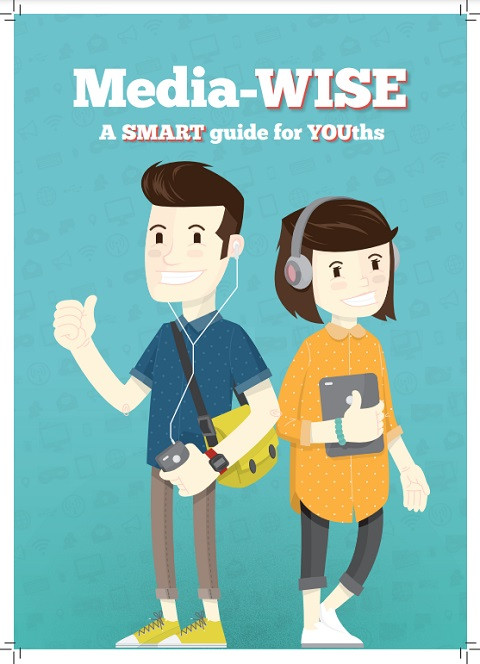 Media-Wise: A Smart Guide for Youths Año de publicación: 2015 Autor corporativo: Media Literacy Council (MLC) Even as a digital native, you might need some help figuring out the safest and kindest route through the digital world - this guide will give you the tips and advice you need to make that journey.
  ARC8 Outlook Report 2030: Inclusive and Diverse Higher Education in Asia and Europe Año de publicación: 2021 Autor corporativo: Asia-Europe Foundation (ASEF) The ARC8 Outlook Report 2030 on ʻInclusive and Diverse Higher Education in Asia and Europe’ was initiated with the objective of better understanding the current state, policies and practices of inclusion in higher education and identifying actions that could accelerate greater inclusion in a post-pandemic era.The ARC8 Outlook Report outlines emerging issues that could grow into major challenges and/ or opportunities in the coming 10 years related to inclusion in higher education. Inputs for the report came from an in-depth consultation process and from previous research done by Asian and European stakeholders. The Report consists of 4 chapters which analyse the future of inclusion from different perspectives: Inclusive Learning and Teaching in a Digital World Inclusive and Flexible Lifelong Learning Pathways Inclusive International Mobility of People and Knowledge Equitable Access and Success in Higher Education
 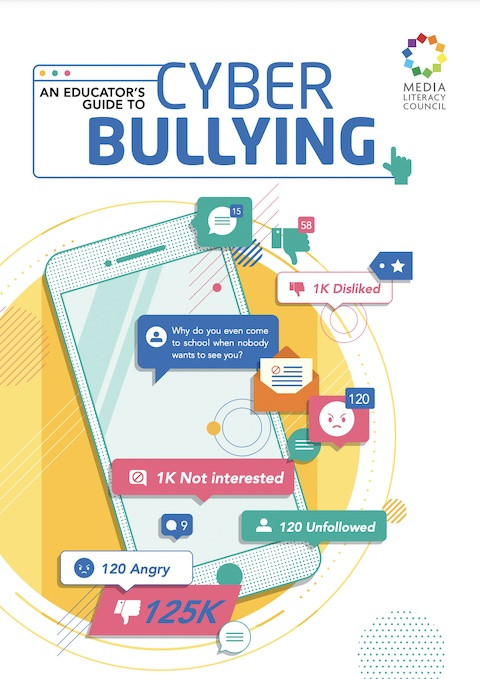 An Educator’s Guide to Cyber-Bullying Año de publicación: 2018 Autor corporativo: Media Literacy Council (MLC) Cyber-bullying is an increasingly worrying problem in schools across Singapore, affecting students of all ages. This Guide gives you supplementary materials - such as information about the issue and lesson plans for lower primary to pre-university - to help you teach and guide your students through this problem.
  Global Citizenship Education in Hong Kong Año de publicación: 2015 Autor: Jun Xing Autor corporativo: IACSIT Press Education is in the midst of massive reforms in different parts of the world. Over the last few decades, there is an increasing call for global citizenship education(GCE) in the academy. In this paper, the author will first explain why the concept is a game changer in higher education, and then explorethe opportunities as well challenges for GCE, particularly in the Hong Kong academy, from the perspectives of public policies, curriculum and pedagogy. Finally, the author wants to explore how the pedagogy of service learning (SL) can serve as a powerful vehicle to achieve the intended learning outcomes of GCE while, in the meantime, GCEcan inform the theory and practice of international SL.
  Empowering Teachers to Build a Better World: How Six Nations Support Teachers for 21st Century Education; Springer Briefs in Education Año de publicación: 2020 Autor: Fernando Reimers This open access book presents a comparative study on how large-scale professional development programs for teachers are designed and implemented. Around the world, governments and educators are recognizing the need to educate students in a broad range of higher order cognitive skills and socio-emotional competencies, and providing effective opportunities for teachers to develop the expertise needed to teach these skills is a crucial aspect of effective implementation of curricula which include those goals. This study examines how large-scale efforts to empower teachers for deeper instruction have been designed, how they have been implemented, and their outcomes. To do so, it investigates six programs from England, Colombia, Mexico, India, and the United States. Though all six are intended to broaden and deepen students’ curricular aspirations, each takes this expansion of curricular goals in a different direction.The ambitious education reforms studied here explicitly focus on building teachers’ capacity to teach on a broader set of goals. Through a discerning analysis of program documents, evaluations, and interviews with senior leaders and participants in the programs, the book identifies the various theories of action used in these programs, examines how they were implemented, and discusses what they achieved. As such, it offers an indispensable resource for education leaders interested in designing and implementing professional development programs for teachers that are aligned with ambitious instructional goals.
 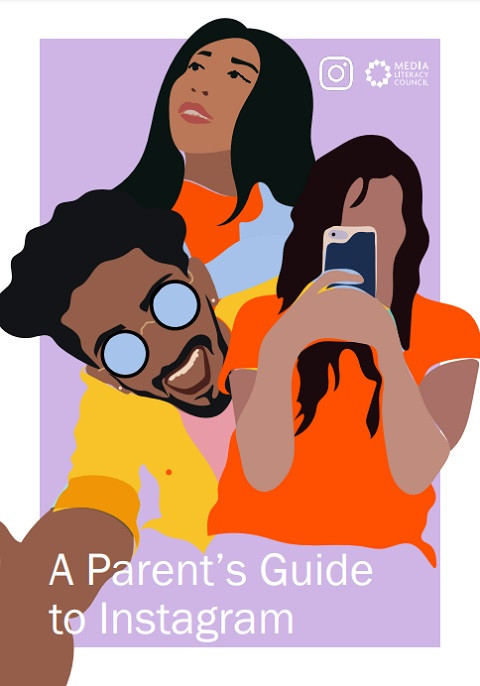 A Parent’s Guide to Instagram Año de publicación: 2021 Autor corporativo: Media Literacy Council (MLC) This parent’s guide to Instagram will help parents to update their digital literacy skills and get a better understanding of how social media platforms and their security features work.
 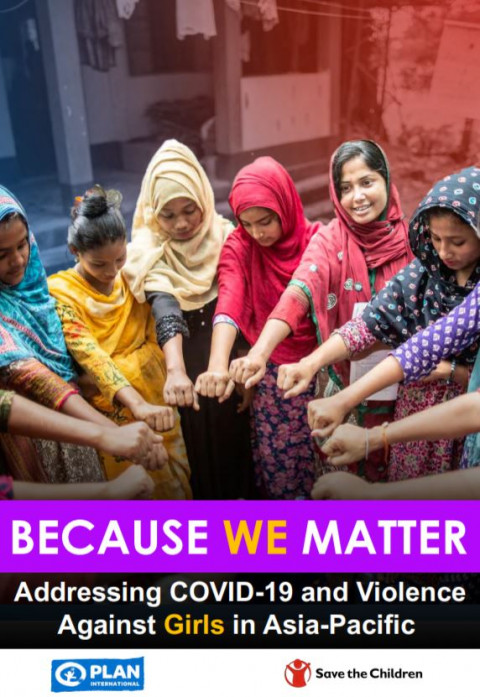 Because We Matter: Addressing COVID-19 and Violence Against Girls in Asia-Pacific Año de publicación: 2020 Autor corporativo: Save the Children | Plan International This thematic policy brief aims to seek and secure commitment from regional and national leaders to urgently prioritize and invest consistently in the protection of girls, who are disproportionately exposed to multitude forms of violence and their devastating consequences. It provides evidence and raises concerns of girls’ vulnerability to combined and complex risks that are further intensified by the COVID-19 pandemic.This brief is primarily intended for regional policy-makers and duty-bearers responsible for regulating, planning and resourcing protection of There is no definition of what it means to be a girl. It offers a set of recommendations to guide policy and investments across the Asia Pacific region to ensure gender-responsive, effective and well-resourced measures to protect all children, and particularly girls.
  Educating Students to Improve the World (SpringerBriefs in Education) Año de publicación: 2020 Autor: Fernando Reimers This open access book addresses how to help students find purpose in a rapidly changing world. In a probing and visionary analysis of the field of global education Fernando Reimers explains how to lead the transformation of schools and school systems in order to more effectively prepare students to address today’s’ most urgent challenges and to invent a better future. It discusses several global citizenship curricula that have been adopted by schools and school networks, and ties them into an approach to lead school change into the uncharted territory of the future. Given its scope, the book will help teachers, school and district leaders tackle the change management needed in order to introduce global education, and more generally increase the relevancy of education. In addition, the book offers a “bridge” for more productive collaboration and communication between those who lead the process of educational change, and those who study and theorize this important work.
  2014 syllabus: character and citizenship education: primary Año de publicación: 2014 Autor corporativo: Singapore. Ministry of Education. Student Development Curriculum Division Character and Citizenship Education (CCE) has always been at the heart of Singapore's education system. In CCE, students learn to be responsible to family and community; and understand their roles in shaping the future of nation. The emerging trends and global developments that impact the society, such as social changes, globalisation and technological advancements are taken into consideration in the development of the CCE curriculum.The goal of CCE is to inculcate values and build competencies in students to develop them to be good individuals and useful citizens. Since 1959, various key programmes have been introduced to inculcate values, habits, competencies and skills in students. Some of these programmes include Civics and Moral Education (CME, 1992), National Education (NE, 1997), Social and Emotional Learning (SEL, 2005), and learning experiences such as Co-Curricular Activities (CCA).The new CCE curriculum shifts focus from programmes to a common purpose. The desired outcomes of CCE are aligned to the Key Stage Outcomes (KSOs) and Desired Outcomes of Education (DOE). CCE is central to the Framework for 21st Century Competencies and Student Outcomes. It emphasizes the interconnectedness of the core values, social and emotional competencies and civic literacy, global awareness and cross-cultural skills that are critical for character and citizenship development of students. 2014 syllabus: le caractère et l'éducation à la citoyenneté: primaire Año de publicación: 2014 Autor corporativo: Singapore. Ministry of Education. Student Development Curriculum Division Caractère et éducation à la citoyenneté (CEC) a toujours été au cœur du système éducatif de Singapour. En CEC, les élèves apprennent à être responsables de la famille et de la communauté; et de comprendre leurs rôles dans l'élaboration de l'avenir de la nation. Les nouvelles tendances et évolutions mondiales qui influent sur la société, tels que les changements sociaux, la mondialisation et les progrès technologiques sont pris en considération dans l'élaboration du programme d'études du CEC. Le but du CEC est d'inculquer des valeurs et de construire des compétences chez les élèves de les développer pour être de bons individus et des citoyens utiles. Depuis 1959, divers programmes clés ont été mis en place pour inculquer des valeurs, des habitudes, des compétences et des compétences chez les élèves. Certains de ces programmes comprennent l'éducation civique et l'éducation morale (ECM, 1992), l'éducation nationale (NE, 1997), social et apprentissage émotionnel (SPE, 2005), et les expériences d'apprentissage tels que Co-curriculaires Activités (CCA). Les nouveaux changements du curriculum CEC se concentrent des programmes à un but commun. Les résultats escomptés du CEC sont alignés sur les résultats clés de scène (RCS) et résultats souhaités de l'Education (RSE). CEC est au centre du cadre pour les compétences du 21e siècle et résultats des élèves. Il met l'aCECnt sur l'interdépendance des valeurs fondamentales, les compétences sociales et émotionnelles et alphabétisation civique, la sensibilisation mondiale et les compétences interculturelles qui sont critiques pour le caractère et la citoyenneté développement des élèves.