
世卫组织:战胜新冠疫情的“终点线”已在眼前

© UN
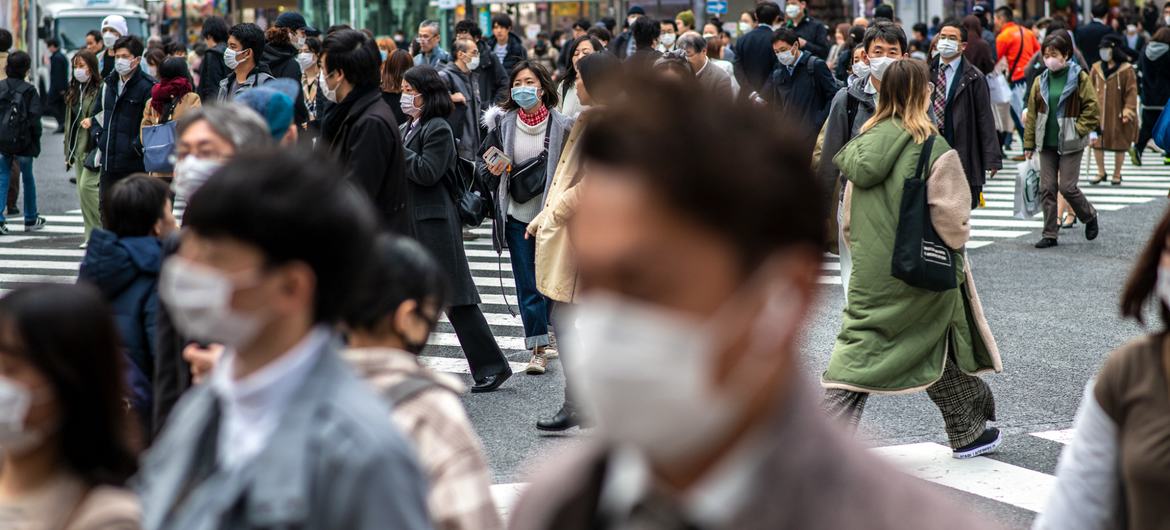
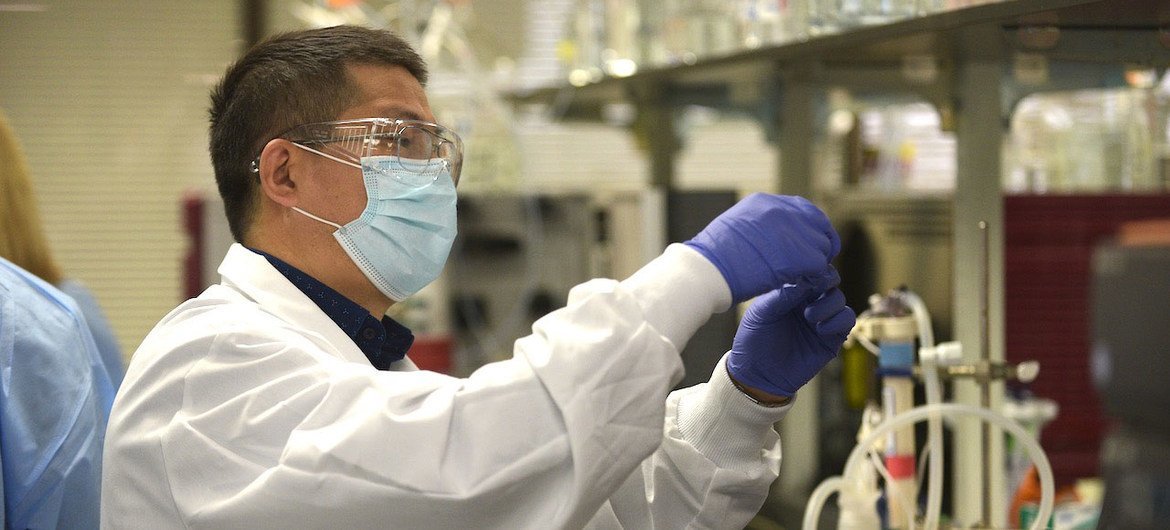
14 September 2022 As the number of weekly reported deaths from COVID-19 plunged to its lowest since March 2020, the head of the World Health Organization (WHO) said on Wednesday that the end of the pandemic is now in sight. “We have never been in a better position to end the pandemic”, Tedros Adhanom Ghebreyesus told journalists during his regular weekly press conference. The UN health agency’s Director-General explained however, that the world is “not there yet”. “A marathon runner does not stop when the finish line comes into view. She runs harder, with all the energy she has left. So must we. We can see the finish line. We’re in a winning position. But now is the worst time to stop running”, he underscored. He also warned that if the world does not take the opportunity now, there is still a risk of more variants, deaths, disruption, and uncertainty. “So, let’s seize this opportunity”, he urged, announcing that WHO is releasing six short policy briefs that outline the key actions that all governments must take now to “finish the race”. © ADB/Richard Atrero de Guzman People wear protective masks in Tokyo, Japan. The policy briefs are a summary, based on the evidence and experience of the last 32 months, outlining what works best to save lives, protect health systems, and avoid social and economic disruption. “[They] are an urgent call for governments to take a hard look at their policies and strengthen them for COVID-19 and future pathogens with pandemic potential”, Tedros explained. The documents, which are available online, include recommendations regarding vaccination of most at-risk groups, continued testing and sequencing of the SARS-CoV-2 virus, and integrating effective treatment for COVID-19 into primary healthcare systems. They also urge authorities to have plans for future surges, including the securing of supplies, equipment, and extra health workers. The briefs also contain communications advice, including training health workers to identify and address misinformation, as well as creating high-quality informative materials. Novavax/Patrick Seibert A laboratory scientist works on the Novavax COVID-19 vaccine. Tedros underscored that WHO has been working since New Year’s Eve 2019 to fight against the spread of COVID and will continue to do so until the pandemic is “truly over”. “We can end this pandemic together, but only if all countries, manufacturers, communities and individuals step up and seize this opportunity”, he said. Dr. Maria Van Kerkhove, WHO’s technical lead on COVID-19, highlighted that the virus is still “ intensely circulating” around the world and that the agency believes that case numbers being reported are an underestimate. “We expect that there are going to be future waves of infection, potentially at different time points throughout the world caused by different subvariants of Omicron or even different variants of concern”, she said, reiterating her previous warning that the more the virus circulates, the more opportunities it has to mutate. However, she said, these future waves do not need to translate into “waves or death” because there are now effective tools such as vaccines and antivirals specifically for COVID-19. ♦ Receive daily updates directly in your inbox - Subscribe here to a topic. ♦ Download the UN News app for your iOS or Android devices. Finish line in sight
Urgent call
Committed to the future
Possible scenarios