
The factors associated with a Woman and Causing her Violence from her Husband from This point of view Psychologists, Social and legal Professionals Working with abused Women
- 형태사항
- 156-180 p.
- 원래 언어
- 아랍어
- 발행 연도
- 2020
This study aimed at investigating the extent and the spread factors related to women, which cause husband’s violence against his wife as perceived by the psychological, social, and legal experts who work with bittered women.
The sample of the study consisted of (54) social and psychological workers, and legal experts who answered 62-item questionnaire that covers four domains: personal, health, social, and economic aspect. The results of this analysis revealed that the degree of women–related factors that cause husband’s violence against his wife was moderate. And there wasn’t any significant difference due to being psychological workers, social workers, and legal experts in relation to gender, qualification, specialization, and experience in determining these factors.
Moreover, the study revealed that the first and the most frequent domain, which caused husband’s violence, was the social domain (83%) of variation, while health (hygienic) domain became as second (9%) of variation. The third domain was the personal, (5%) of variation. The analysis showed that the economic domain had no effect at all. Regarding the results, the researchers recommended the necessity of implementing prevention and treatment programs in order to overcome the problem of violence practices against women. Furthermore, the researcher recommended the necessity of activating the role of media, in order to shed light upon the violence issue against women for the sake of clarifying and exploring the negative effects of this phenomena on the community in general and the family in particular.
관련 자료
-
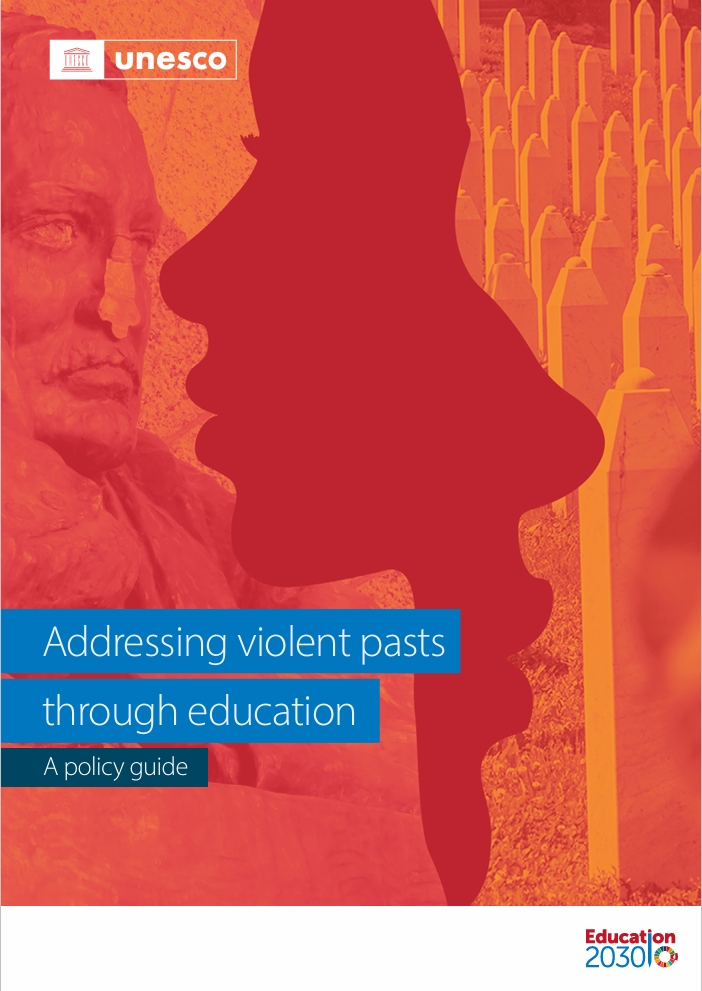 Addressing Violent Pasts through Education: A Policy Guide
 -
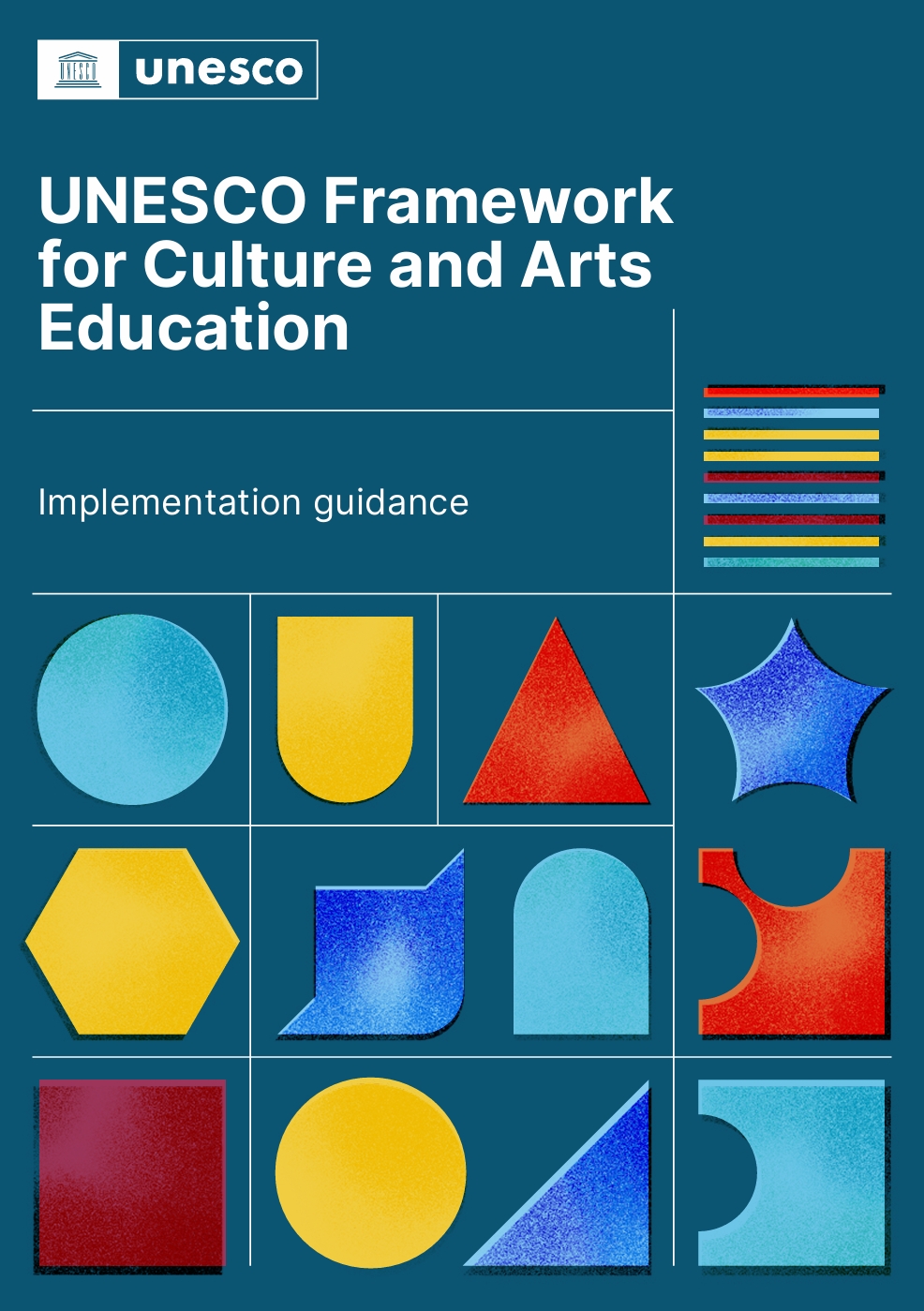 UNESCO Framework for Culture and Arts Education: Implementation Guidance
 -
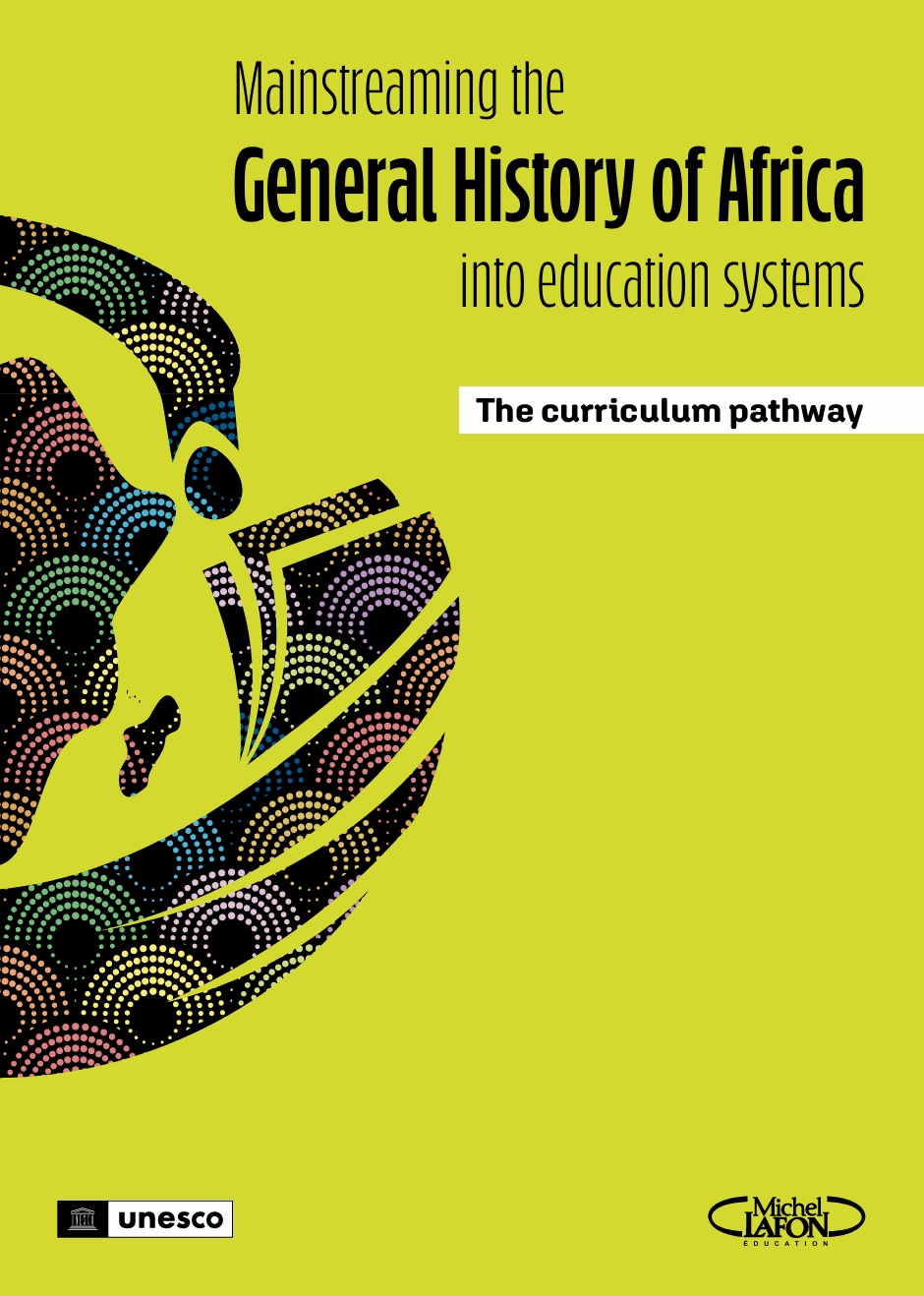 Mainstreaming the General History of Africa into Education Systems: The Curriculum Pathway
 -
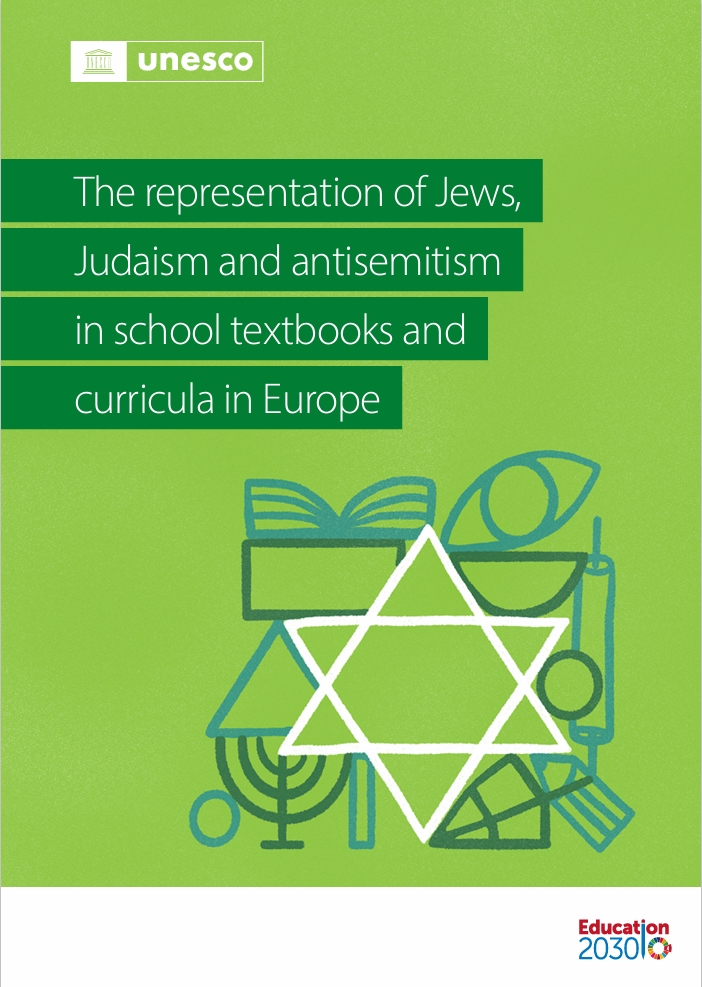 The Representation of Jews, Judaism and Antisemitism in School Textbooks and Curricula in Europe