
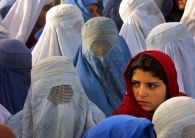
Women’s Education: Promoting Development, Countering Radicalism
Increasing access to quality secular education can create better jobs for women and reduce some of the economic drivers of radicalization. Educated women can in turn play a pivotal role in inoculating their children and communities against the radical narratives used to recruit followers.
관련 자료
-
 IIEP-UNESCO 12th Medium-Term Strategy: 2026–2029
 -
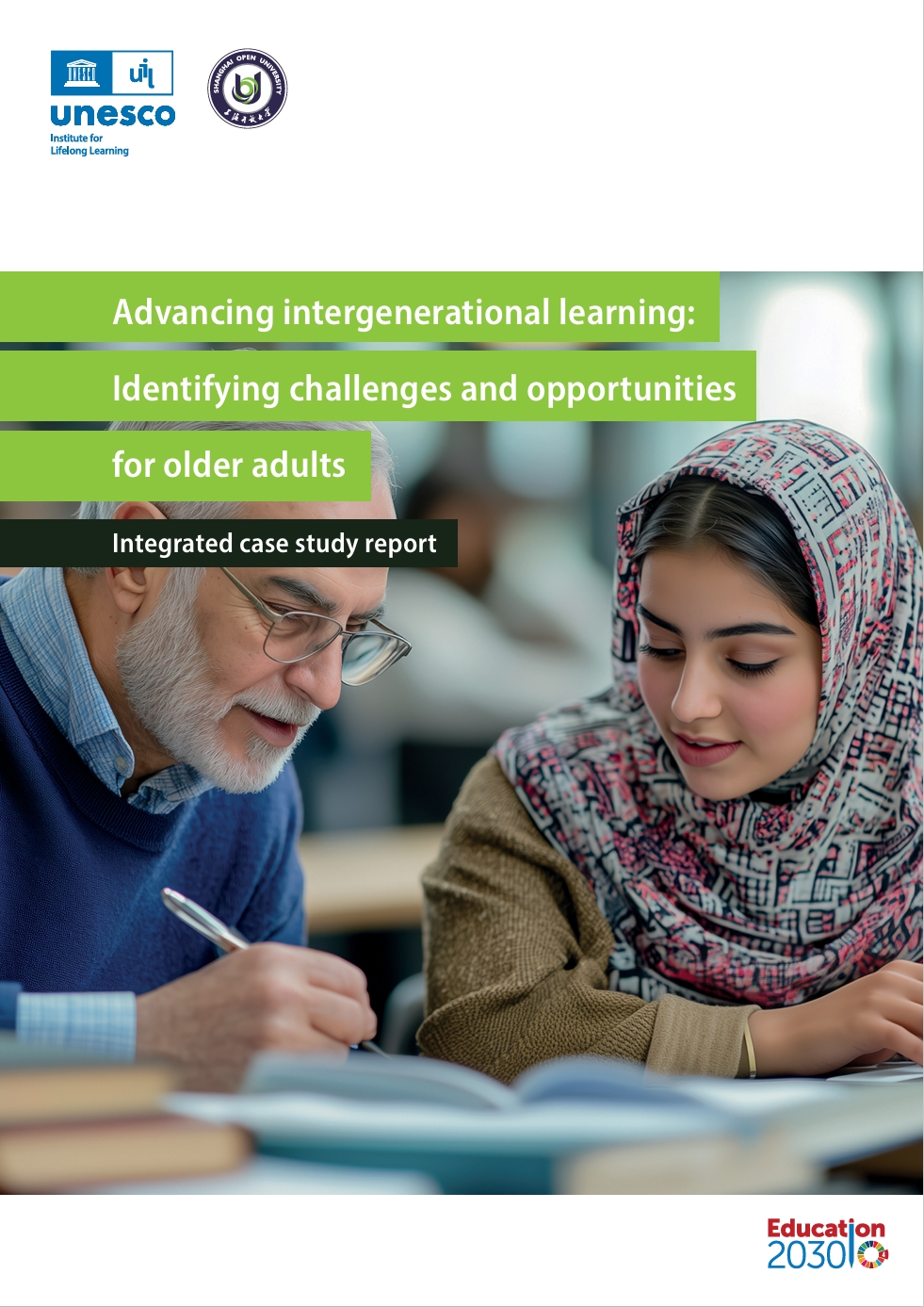 Advancing Intergenerational Learning: Identifying Challenges and Opportunities for Older Adults; Integrated Case Study Report
 -
 Digital Empowerment for Lifelong Learning and Transformative Andragogy (DELTA) for Adult Educators: Introduction to the DELTA Framework and Resources
 -
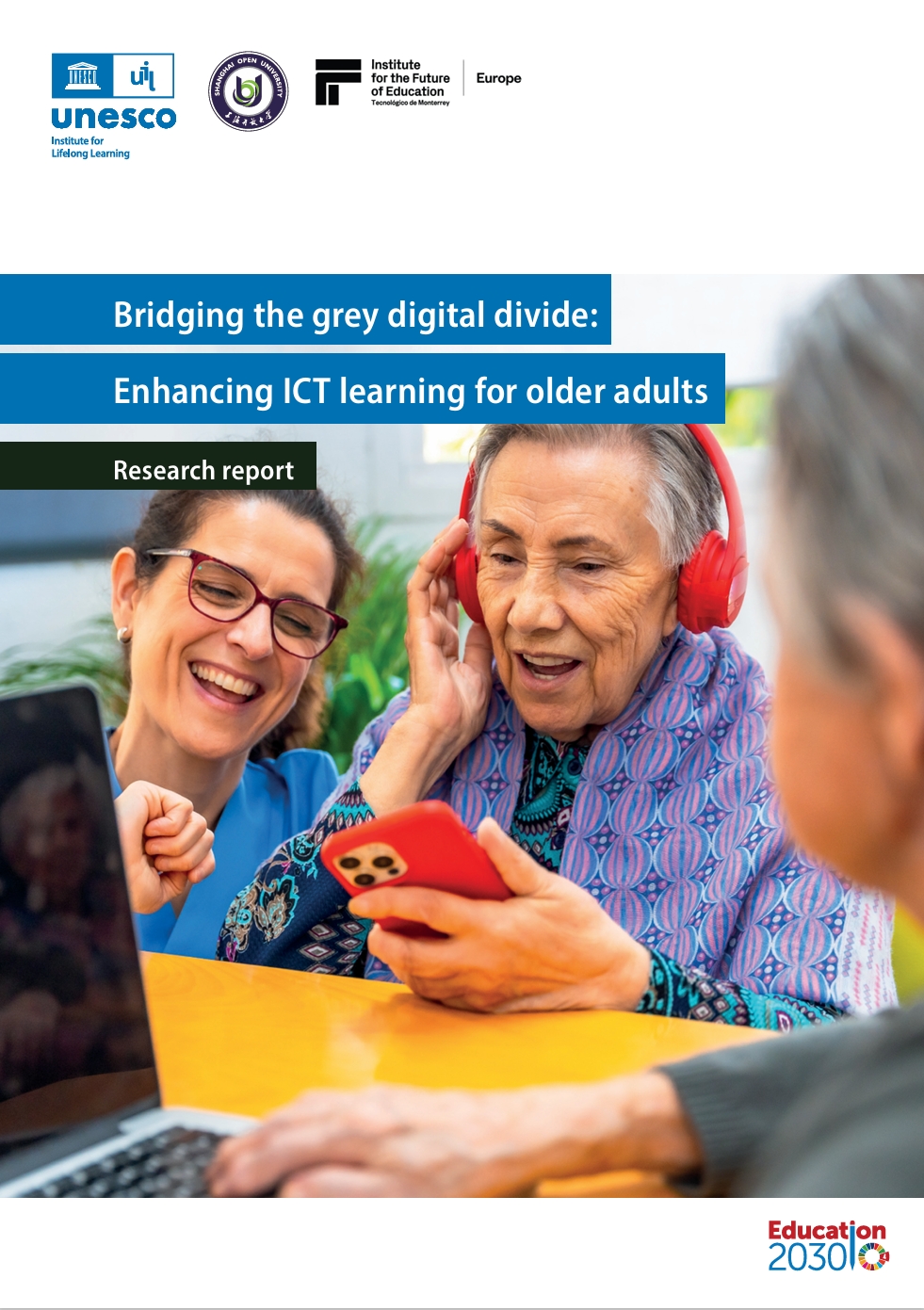 Bridging the Grey Digital Divide: Enhancing ICT Learning for Older Adults; Research Report