
Developing reflective citizens: The role of Holocaust education
In what way can we best conceptualize the relationship of Holocaust education to the broader goal of developing reflective citizens? Keeping in mind the diversity of our audience while simultaneously recognizing the traditions of social studies education in the United States, the author argues that Holocaust education should be integrated within the rationale of educating young people to reflect upon issues that have direct relationships to (1) the development of values and (2) the fostering of behaviours emphasizing social responsibility. In short, Holocaust education ‒ meaning the design of curricula, creation of pedagogical strategies and evaluation of student performance ‒ can be a critical component in developing a citizenry who are capable of addressing global problems such as human rights violations and genocide by employing a reflective understanding of history and its relationships to present and future policies and practices, irrespective of national boundaries (By the author)
관련 자료
-
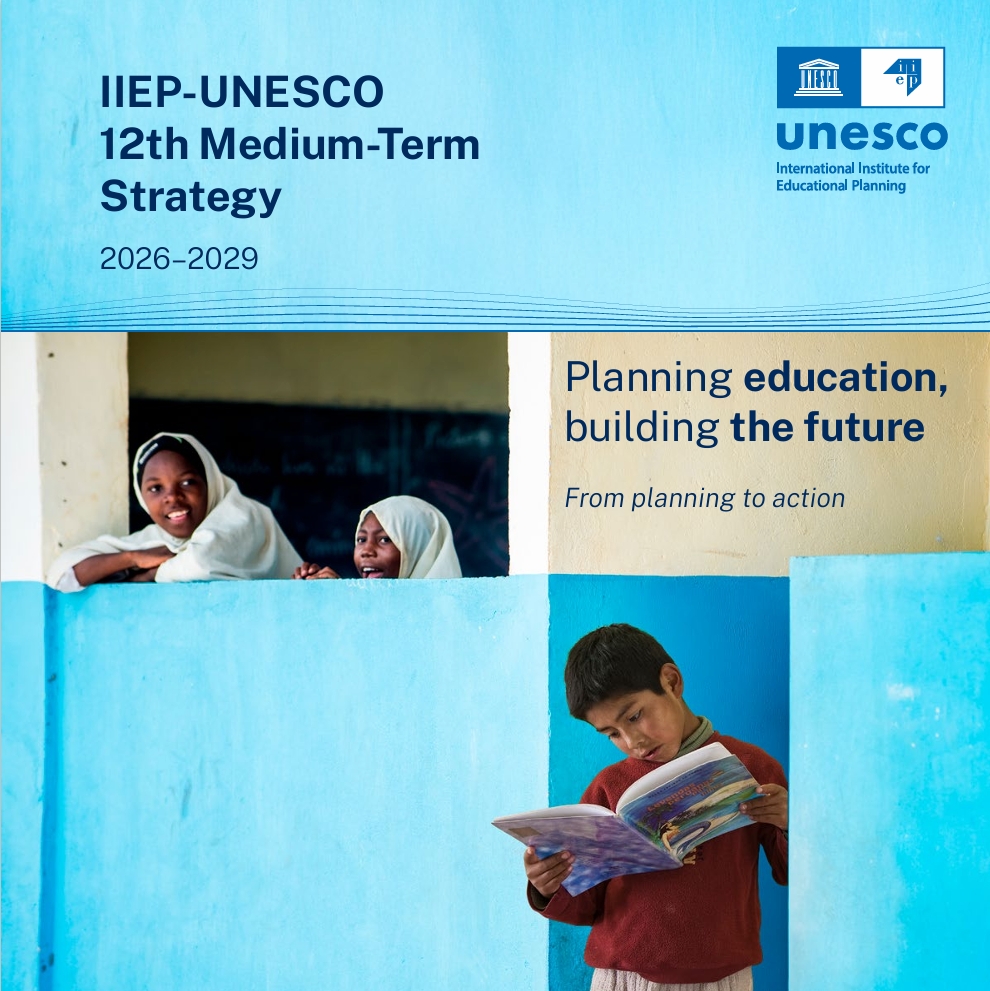 IIEP-UNESCO 12th Medium-Term Strategy: 2026–2029
 -
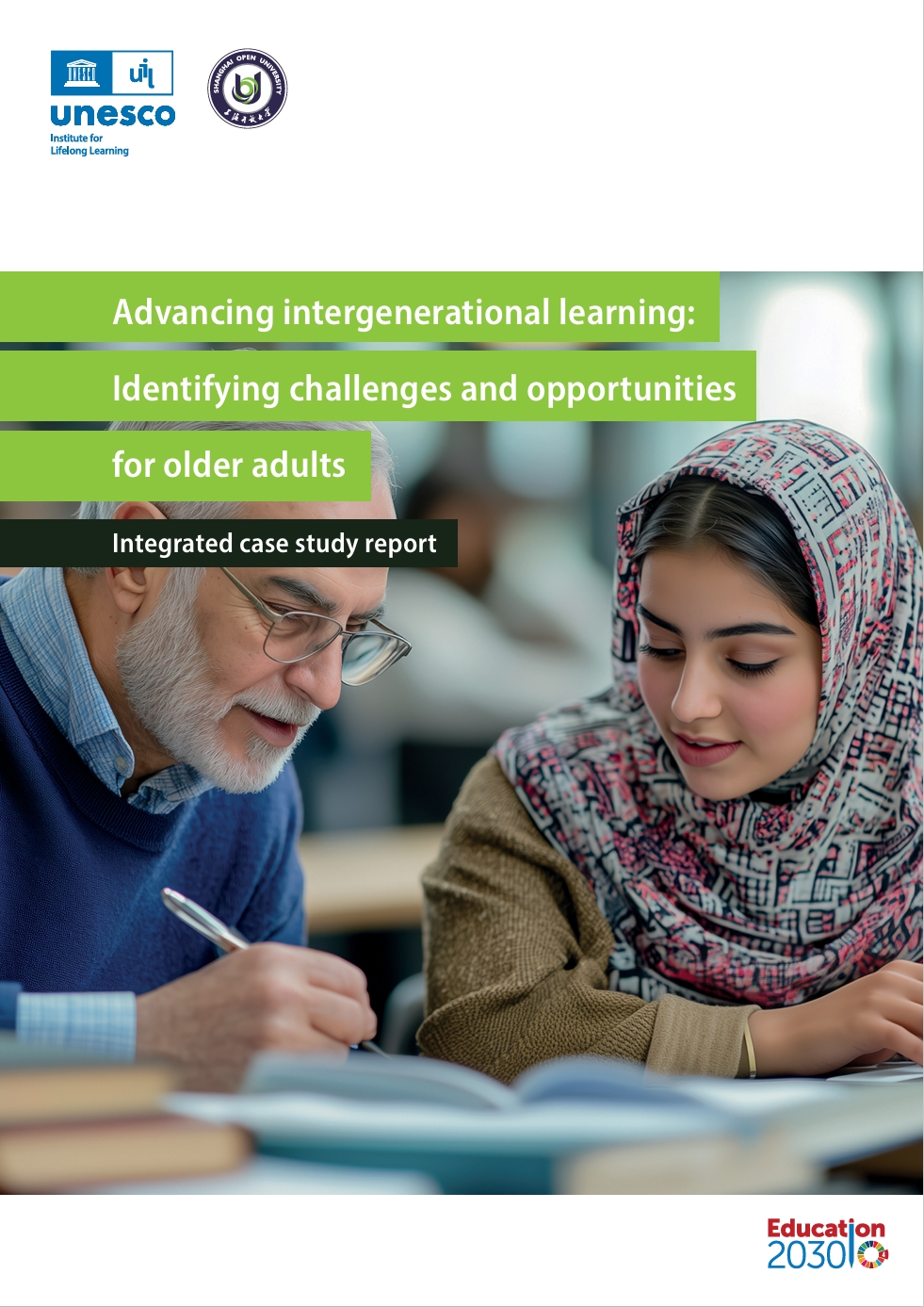 Advancing Intergenerational Learning: Identifying Challenges and Opportunities for Older Adults; Integrated Case Study Report
 -
 Digital Empowerment for Lifelong Learning and Transformative Andragogy (DELTA) for Adult Educators: Introduction to the DELTA Framework and Resources
 -
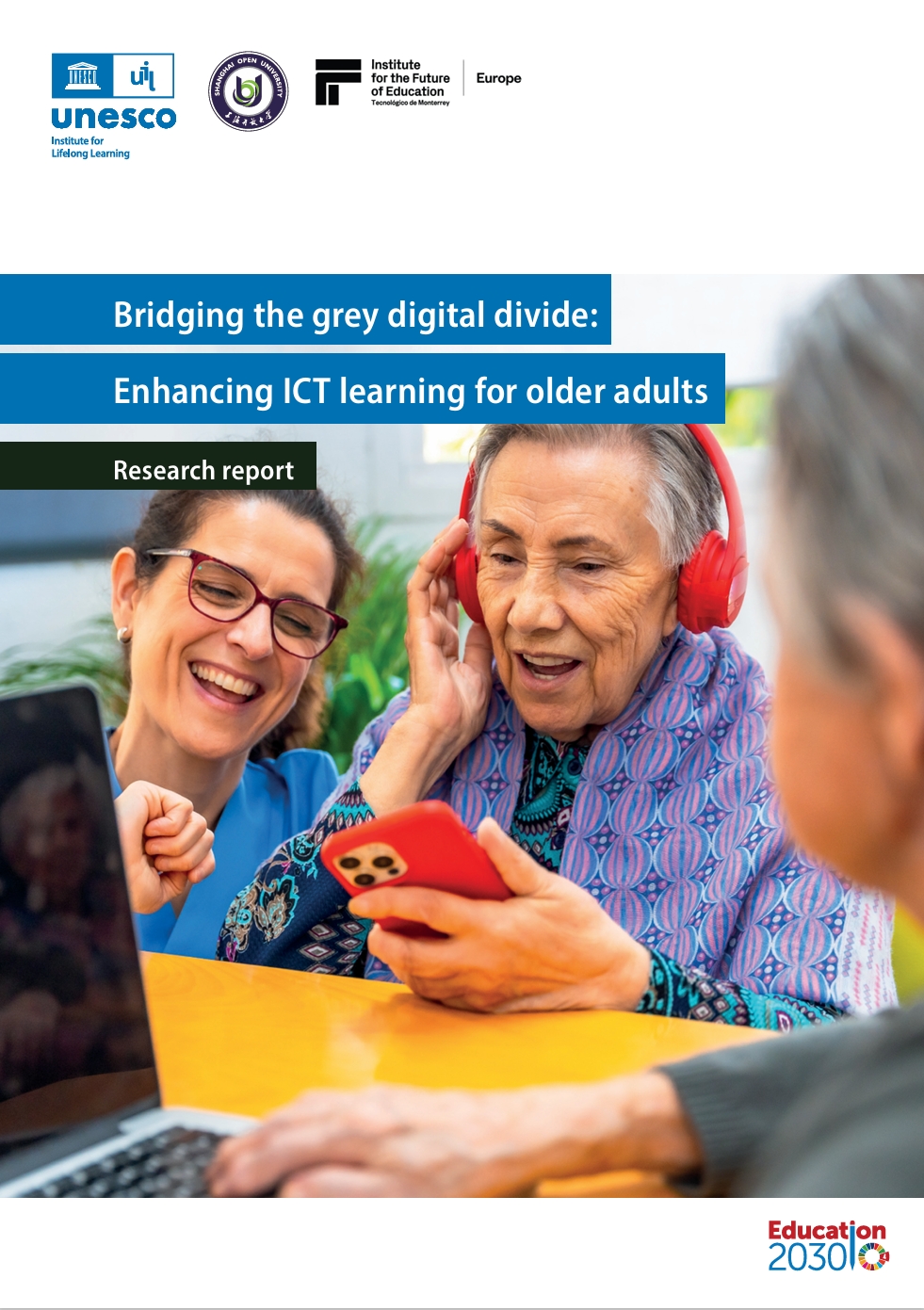 Bridging the Grey Digital Divide: Enhancing ICT Learning for Older Adults; Research Report