
Confronting the Holocaust in Religious Education
Studies of Holocaust education in secondary schools have tended to focus on how the subject is taught as part of the history curriculum. Comparatively little work of either a theoretical or an empirical nature has looked at how the subject is handled in other curricular areas. Religious education is a case in point, for the field is marked both by a dearth of literature on appropriate content and by a virtual absence of research on teachers' practices. The need to address these lacunae provides the rationale for the article. In relation to content, two concerns dominate the discussion. The first is that the Holocaust may be portrayed as an act of religious intolerance; the second is that students may be offered a diluted or distorted account of the part played by Christianity. The empirical core of the article surveys the practices of 28 teachers of religious education in connection with both concerns. It also contains a content analysis of how textbooks used by the teachers treat the attempted annihilation of European Jewry. The article concludes with a discussion of the policy implications of the findings. (By the author)
관련 자료
-
 Study on the Historical Impact of the 1974 Recommendation concerning Education for International Understanding, Cooperation and Peace and Education relating to Human Rights and Fundamental Freedoms
 -
 IIEP-UNESCO 12th Medium-Term Strategy: 2026–2029
 -
 More than Welcome: Intercultural Integration of Migrants in and Through Higher Education
 -
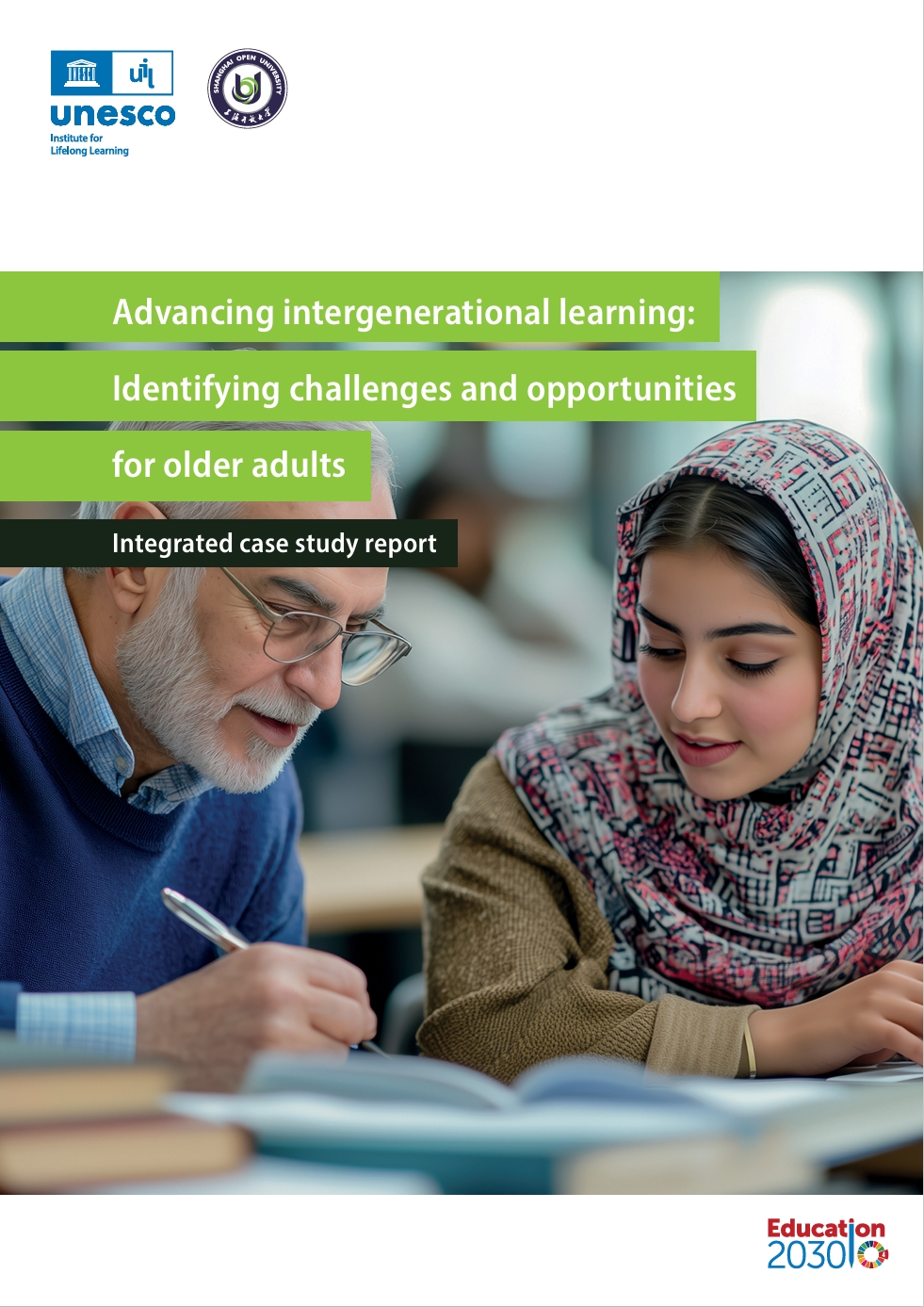 Advancing Intergenerational Learning: Identifying Challenges and Opportunities for Older Adults; Integrated Case Study Report