
Enseigner l'histoire et la prévention des génocides - Peut on prévenir les crimes contre l'humanité ?
The question of barbarism dominates remembrance issues. The study of the prevention of crimes against humanity constitutes another major challenge. But these sensitive and complex debates are problematic. All fields are concerned : history, memory, law, philosophy, politics. How can schools tackle them ? Two solutions : opting for a comparative study of genocides, particularly the Holocaust and the Tutsis in Rwanda; and using the "universal/particular" dialectic, institutions and individuals. Recollections of the past and edification of the future, this book gives meaning to education and presents a sensitive reflection of the challenges of history and the contemporary world. (By the author - Translation)
관련 자료
-
 IIEP-UNESCO 12th Medium-Term Strategy: 2026–2029
 -
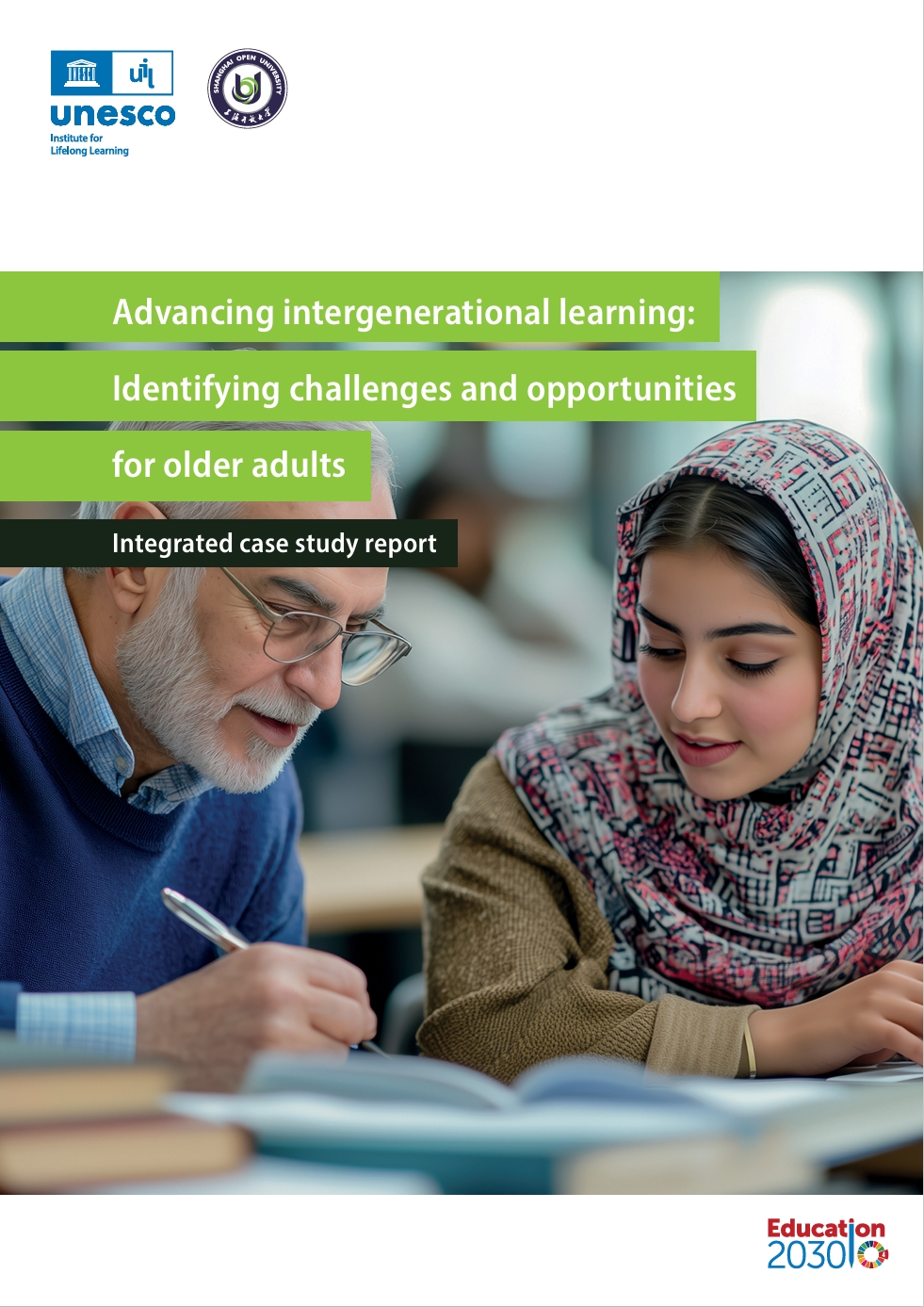 Advancing Intergenerational Learning: Identifying Challenges and Opportunities for Older Adults; Integrated Case Study Report
 -
 Digital Empowerment for Lifelong Learning and Transformative Andragogy (DELTA) for Adult Educators: Introduction to the DELTA Framework and Resources
 -
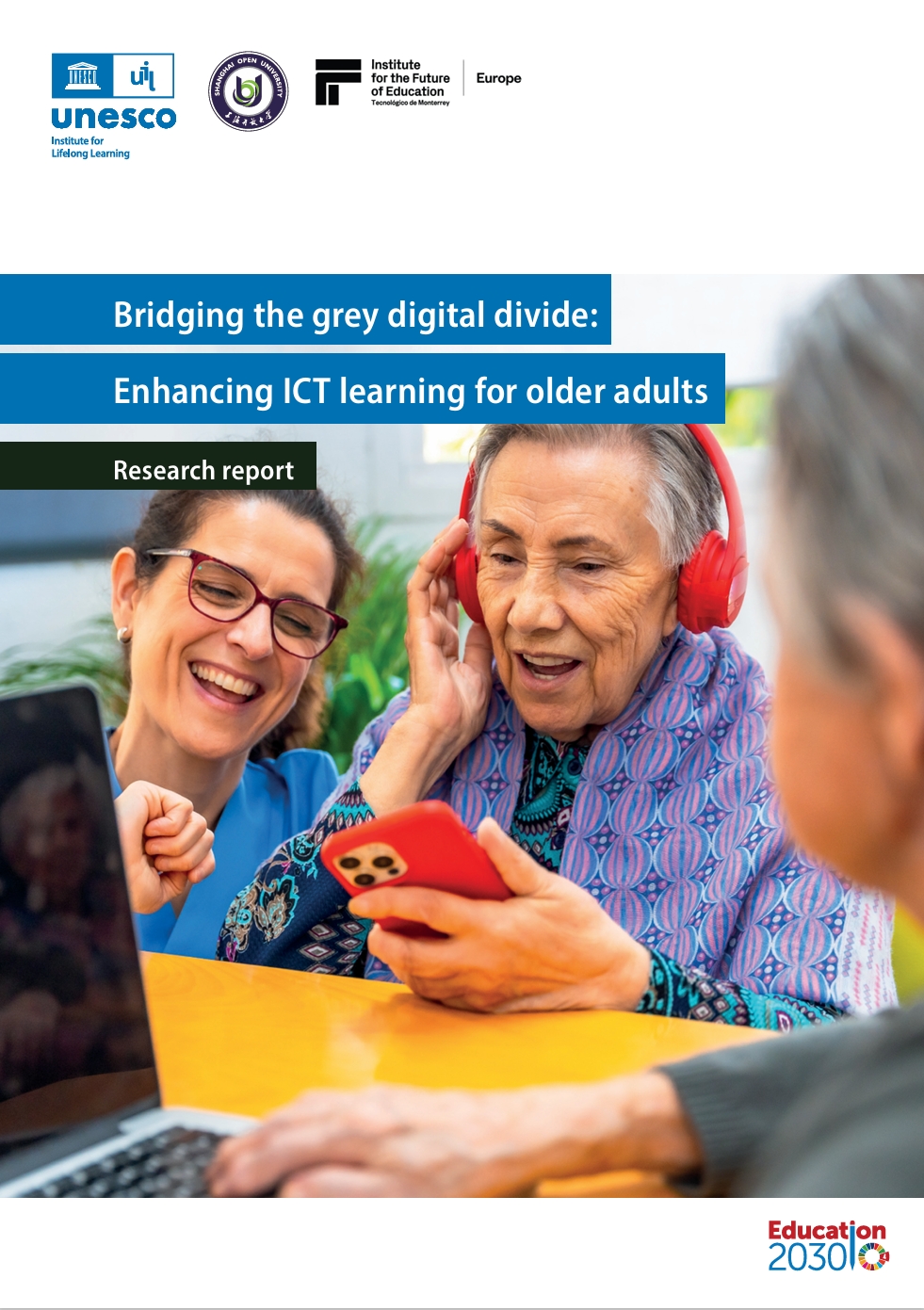 Bridging the Grey Digital Divide: Enhancing ICT Learning for Older Adults; Research Report