
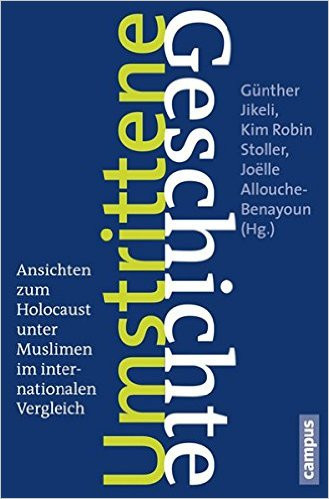
Umstrittene Geschichte: Ansichten zum Holocaust unter Muslimen im internationalen Vergleich
The article relates a qualitative study carried out alongside an educational project for multiplicators. It is an experimental encounter programme between Israeli Jews and Palestinians from Israel, dealing together with the history and the memory of the Holocaust, and also with the Israeli-Palestinian conflict and the Nakba. The programme can be considered an experience located at the intersection of Peace Education and Holocaust Education; it lasted over a year and included a study trip to Berlin. The research is based on three series of interviews with the participants, including during the study-trip to Berlin. The findings point to questions of identity-building during the process, recognizing victims’ experiences rather than victims’ identities, processes of inclusion and distancing, and dilemmas faced by the participants when dealing together with the history and the memory of the Holocaust. The contribution shows possible objectives and limits of such a project, as well as the necessary conditions for the emergence of a culture of mutual recognition, without negating the asymmetrical character of the prevailing situation, nor comparing sufferings, nor equating historical facts. It shows that focusing on perpetrators and bystanders, rather than only on victims, can bring common insights for both sides. (By the author)
관련 자료
-
 Envisioning the Future of Assessment in Transformative Education: A Synthesis Report of the Expert Meeting on Evaluation and Assessment for Transformative Education: Towards and Beyond 2030
 -
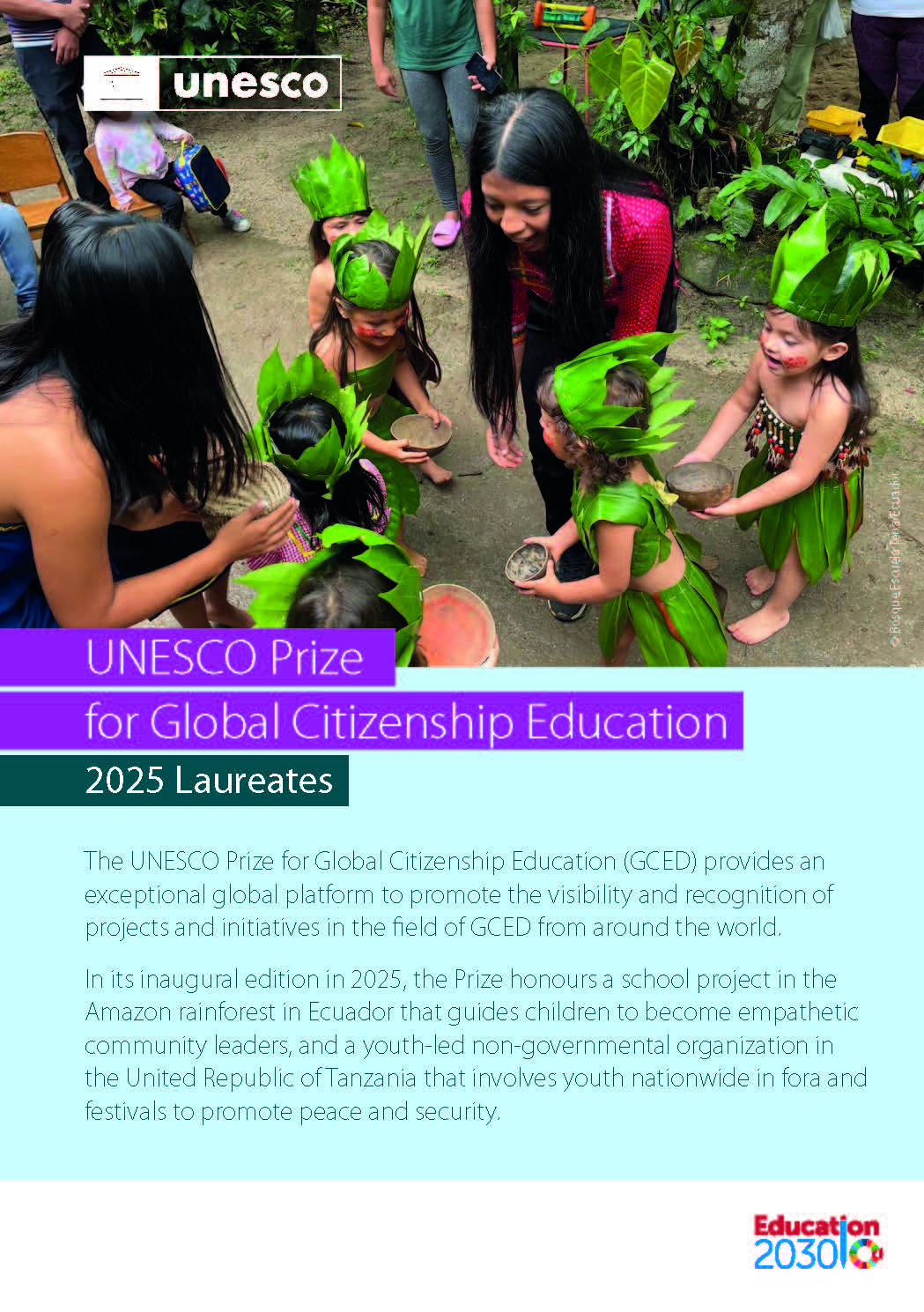 UNESCO Prize for Global Citizenship Education 2025 Laureates
 -
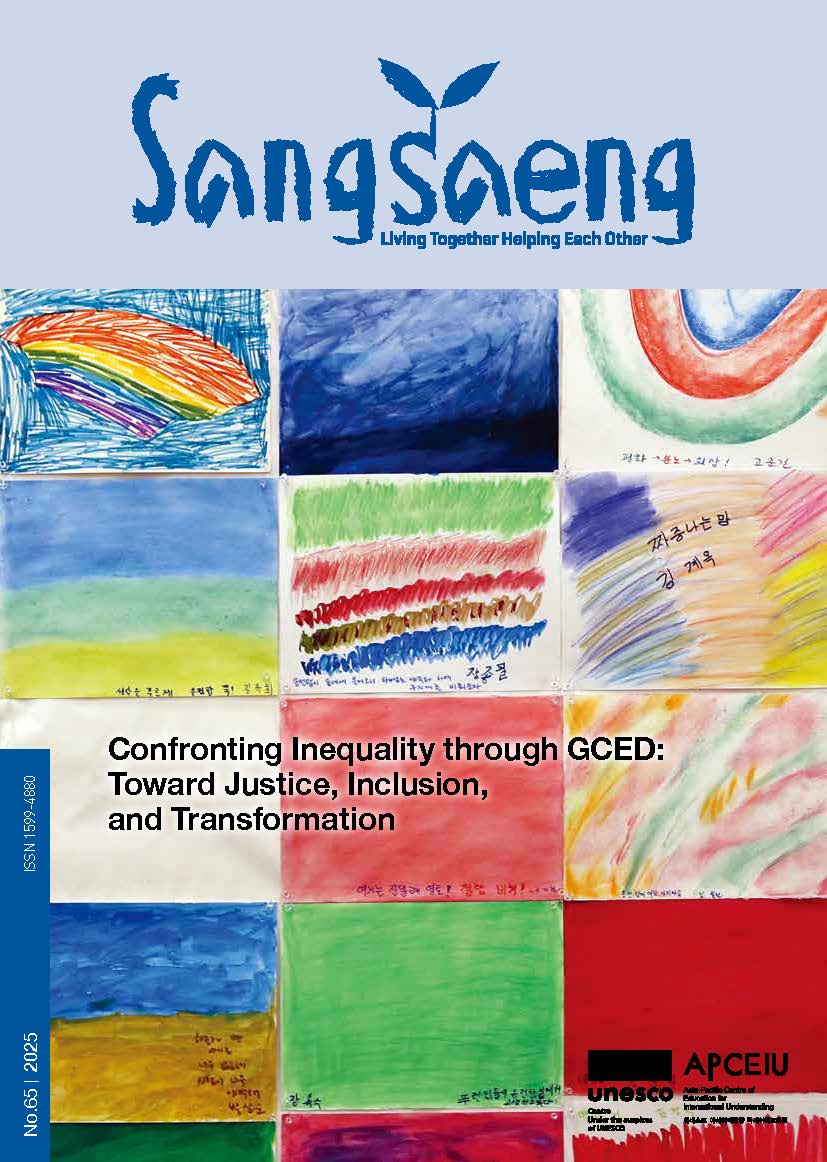 Confronting Inequality through GCED: Toward Justice, Inclusion, and Transformation (SangSaeng; No.65, 2025)
 -
 Educator's Guide to Global Citizenship Education: From Asia-Pacific Perspectives