
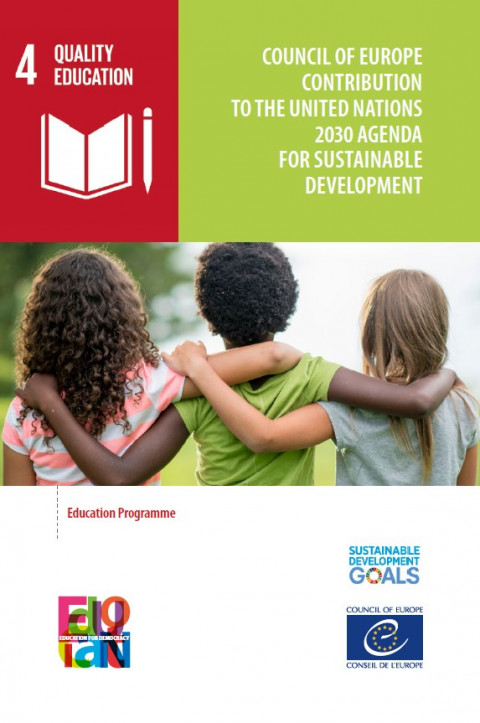
COUNCIL OF EUROPE CONTRIBUTION TO THE UNITED NATIONS 2030 AGENDA FOR SUSTAINABLE DEVELOPMENT
On 1 January 2016, the World started implementing the “UN 2030 Agenda for Sustainable Development”, an ambitious and universal vision, based on 17 Sustainable Development Goals (SDGs) and 169 associated targets, which are all integrated, indivisible and interlinked. They apply universally to all and are highly relevant for the Council of Europe; countries are expected to take ownership and establish national frameworks for the achievement of the 17 goals. Most, if not all, of the Council of Europe’s activities are relevant and contribute to the implementation of the UN 2030 Agenda and the achievement of the SDGs. Recognising the intrinsic links between sustainable development and the protection of human rights, the Council of Europe is committed to working with and supporting its 47 member states in implementing the UN 2030 Agenda through a wide range of actions.
관련 자료
-
 Study on the Historical Impact of the 1974 Recommendation concerning Education for International Understanding, Cooperation and Peace and Education relating to Human Rights and Fundamental Freedoms
 -
 IIEP-UNESCO 12th Medium-Term Strategy: 2026–2029
 -
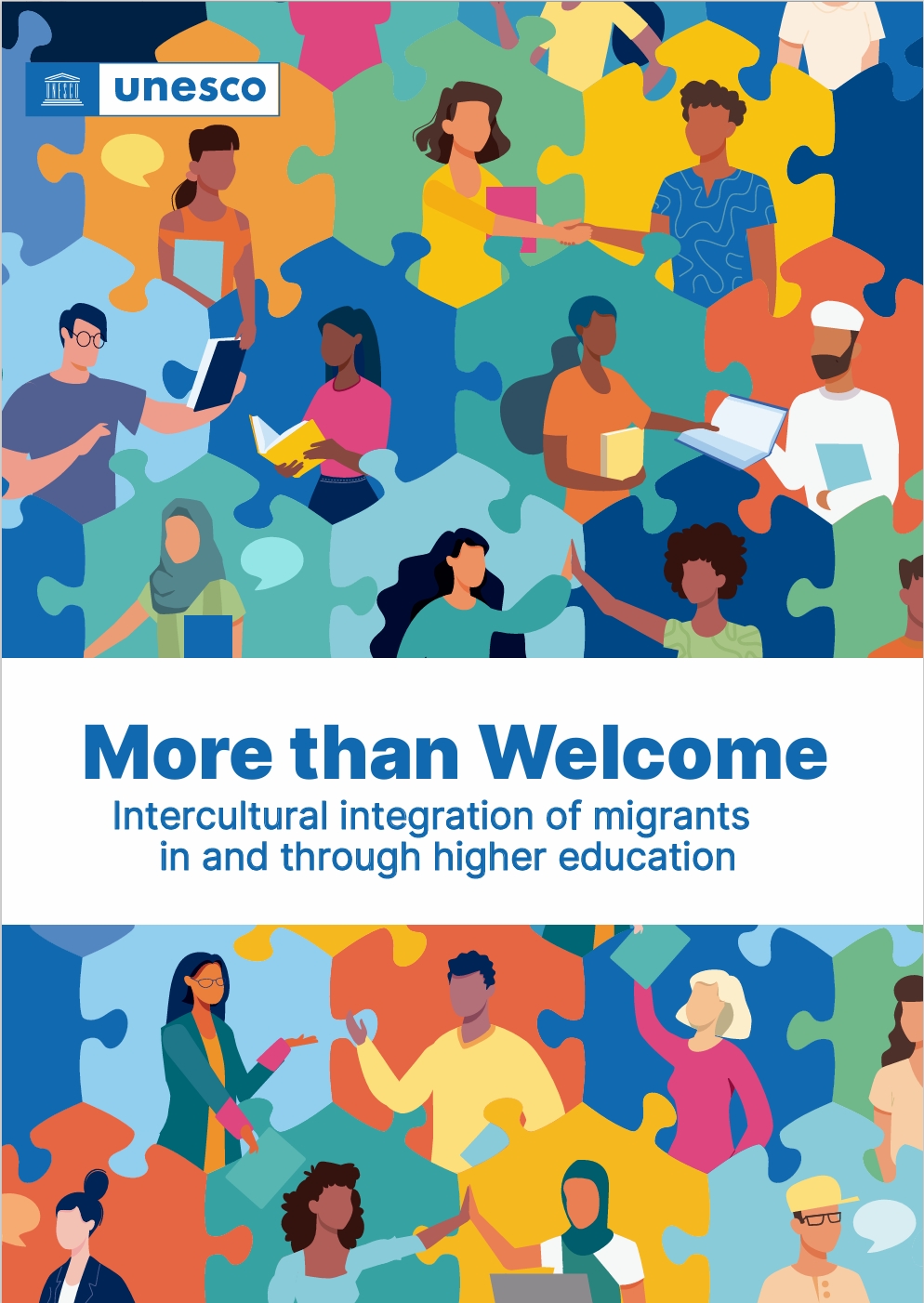 More than Welcome: Intercultural Integration of Migrants in and Through Higher Education
 -
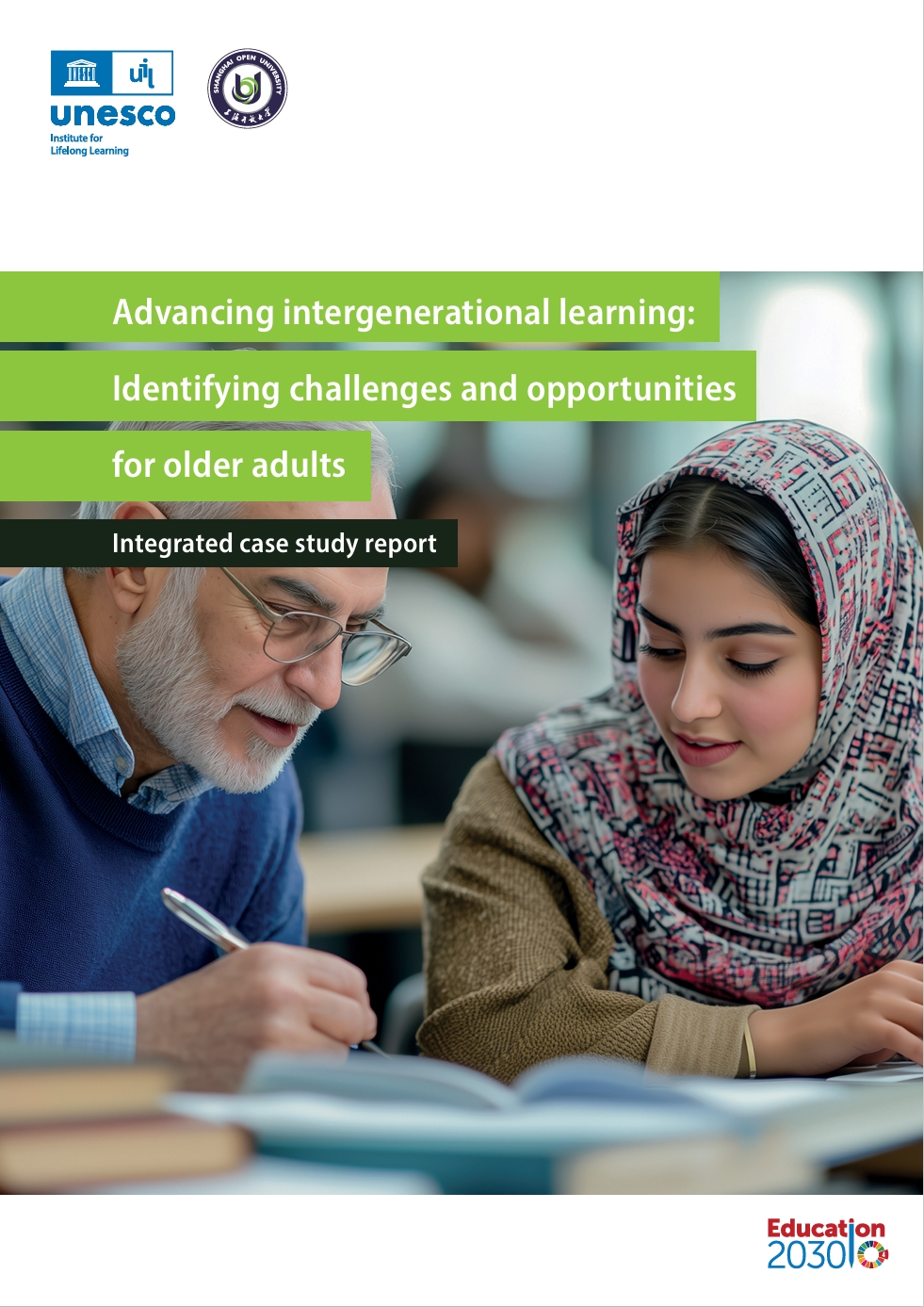 Advancing Intergenerational Learning: Identifying Challenges and Opportunities for Older Adults; Integrated Case Study Report