

Education for international understanding: a river flowing from the mountains (SangSaeng vol5. autumn 2002)
EIU (Education for International Understanding) is a concept that has diverse sources and tributaries, much like a river that begins in the mountains and flows to the sea or ocean, enriched by innumerable ideas, perspectives and practices along its journey. However, unlike a river in one community or nation, this is a river that flows across the world encompassing the breadth and depth of civilizations, peoples and mother Earth. Although by designation EIU appears to have a “modern genealogy,” it is vital to recognize and to search for its roots in the ancient wisdoms of all civilizations, especially through the values and principles of well-being, dignity and good or virtuous relationships between and among all peoples, communities and societies. EIU has been catalyzed and developed by multiple individuals, organizations, agencies and movements, including educators, researchers, national/multilateral organizations (e.g. UN agencies), NGOs, people’s organizations (POs) and other civil society movements and advocates. EIU is simultaneously practiced in all modes of education (formal, non-formal and informal), but a challenge is to attain synergy across all the modes for optimal outcomes and sustainability.
관련 자료
-
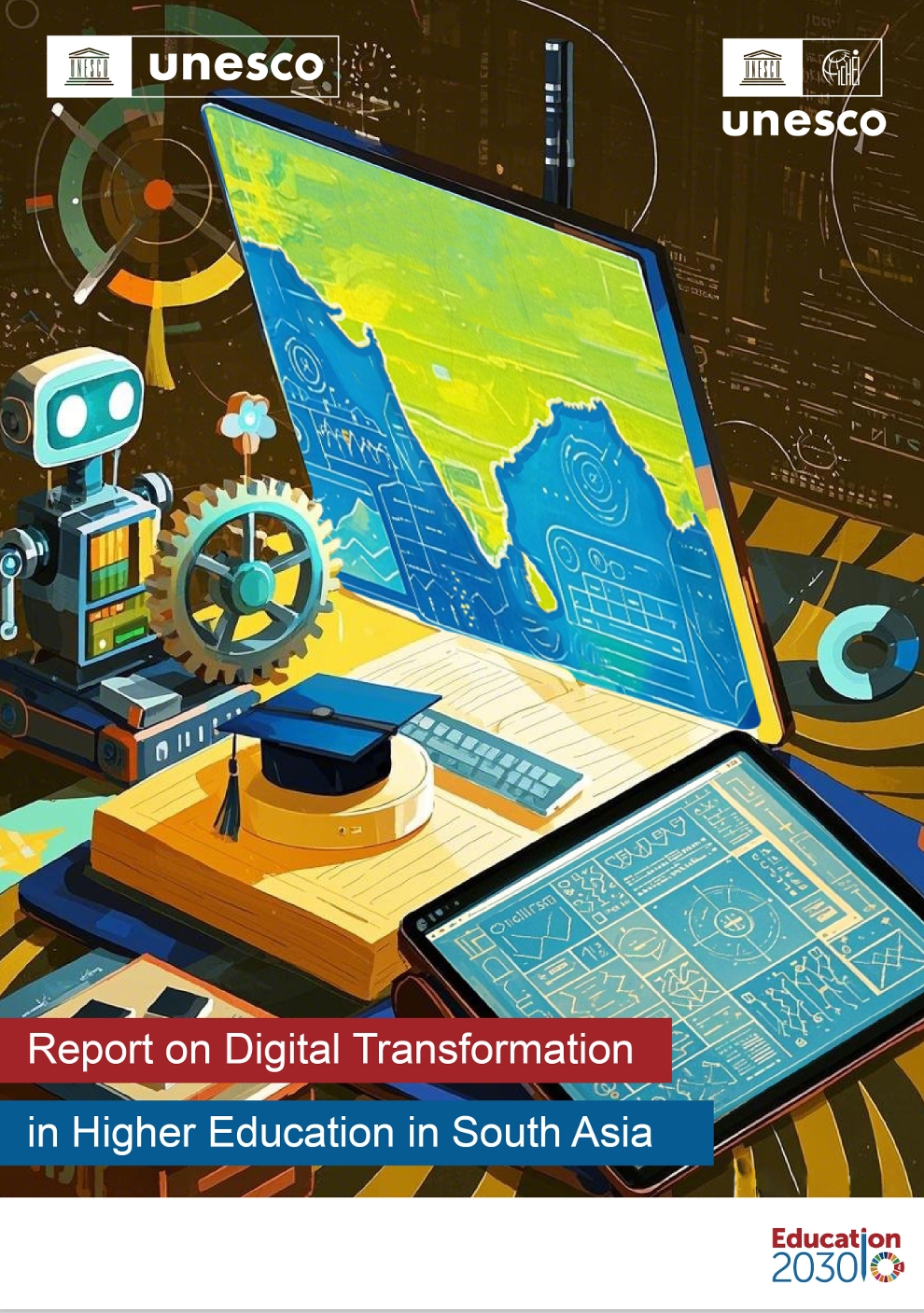 Report on Digital Transformation in Higher Education in South Asia
 -
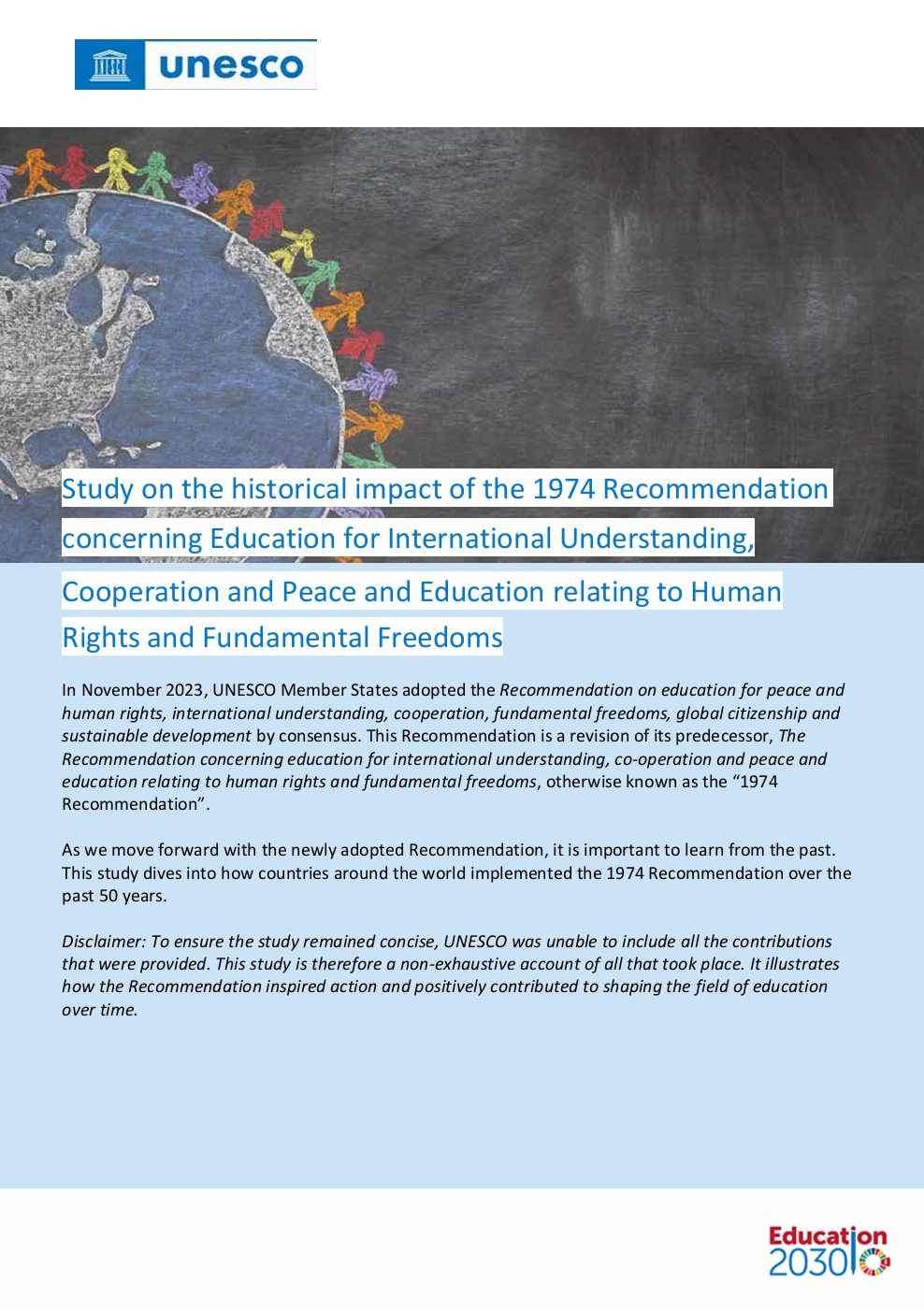 Study on the Historical Impact of the 1974 Recommendation concerning Education for International Understanding, Cooperation and Peace and Education relating to Human Rights and Fundamental Freedoms
 -
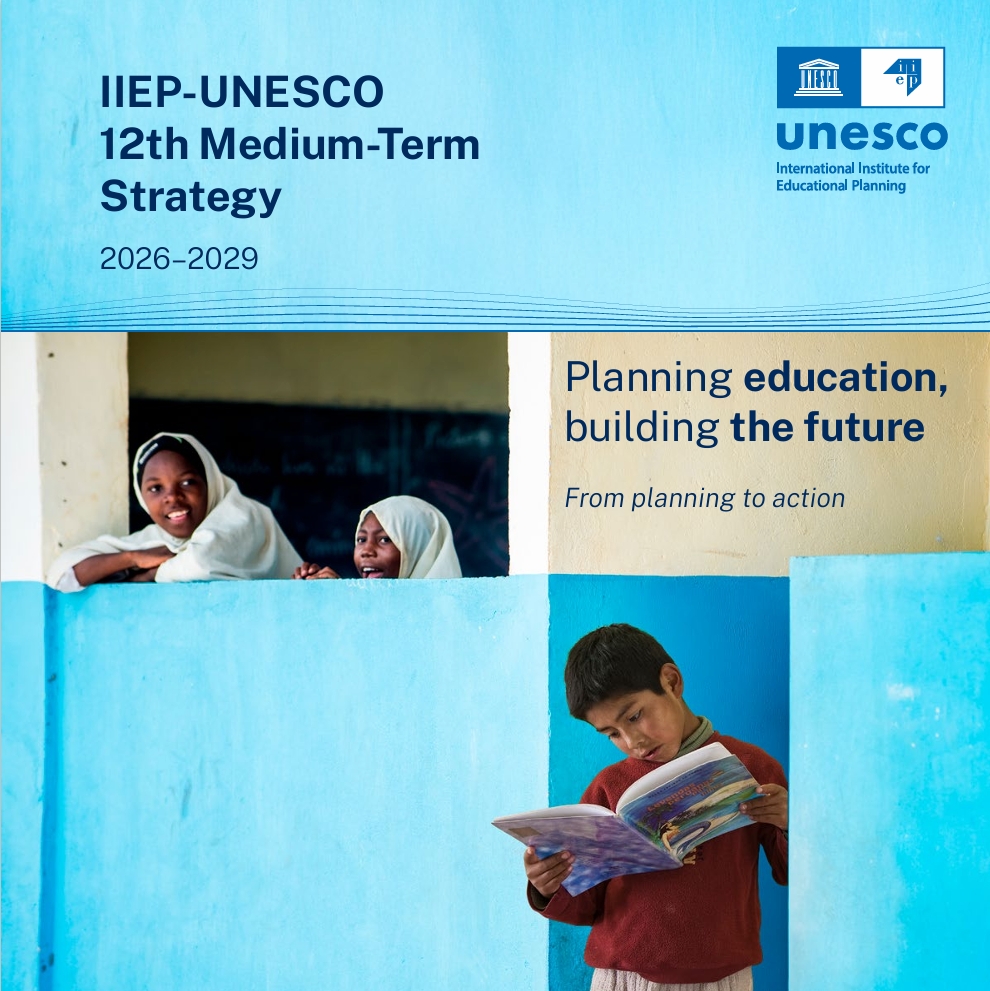 IIEP-UNESCO 12th Medium-Term Strategy: 2026–2029
 -
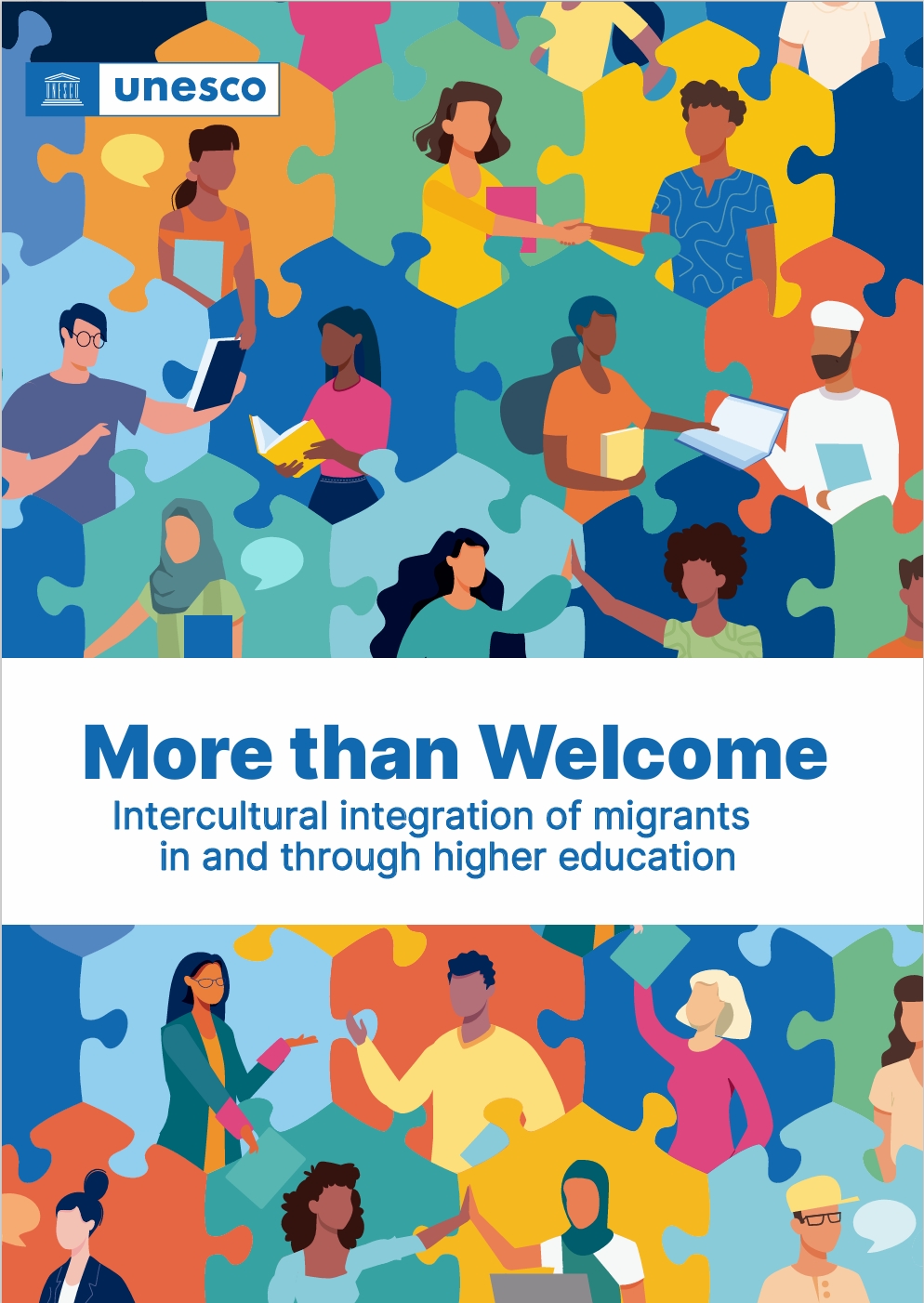 More than Welcome: Intercultural Integration of Migrants in and Through Higher Education