
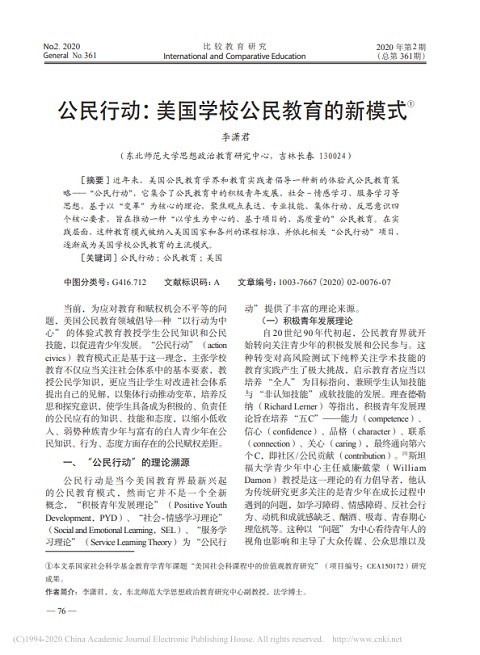
Action Civics: A New Mode of Civic Education in American Schools
In recent years, a new experimental civic education, action civics, was advocated by both researchers and practitioners. It derives educational philosophies from positive youth development, social and emotional Learning, and service learning. Based on the Theory of Change, it focuses on youth voice, youth expertise, collective action and reflection, so as to promote a new mode of civic education featuring student-centered, project-based and high-quality. In practice, it is gradually becoming the mainstream mode of civic education in current schools in the US by being introduced into state standards of curriculum and action civics projects.
관련 자료
-
 IIEP-UNESCO 12th Medium-Term Strategy: 2026–2029
 -
 Advancing Intergenerational Learning: Identifying Challenges and Opportunities for Older Adults; Integrated Case Study Report
 -
 Digital Empowerment for Lifelong Learning and Transformative Andragogy (DELTA) for Adult Educators: Introduction to the DELTA Framework and Resources
 -
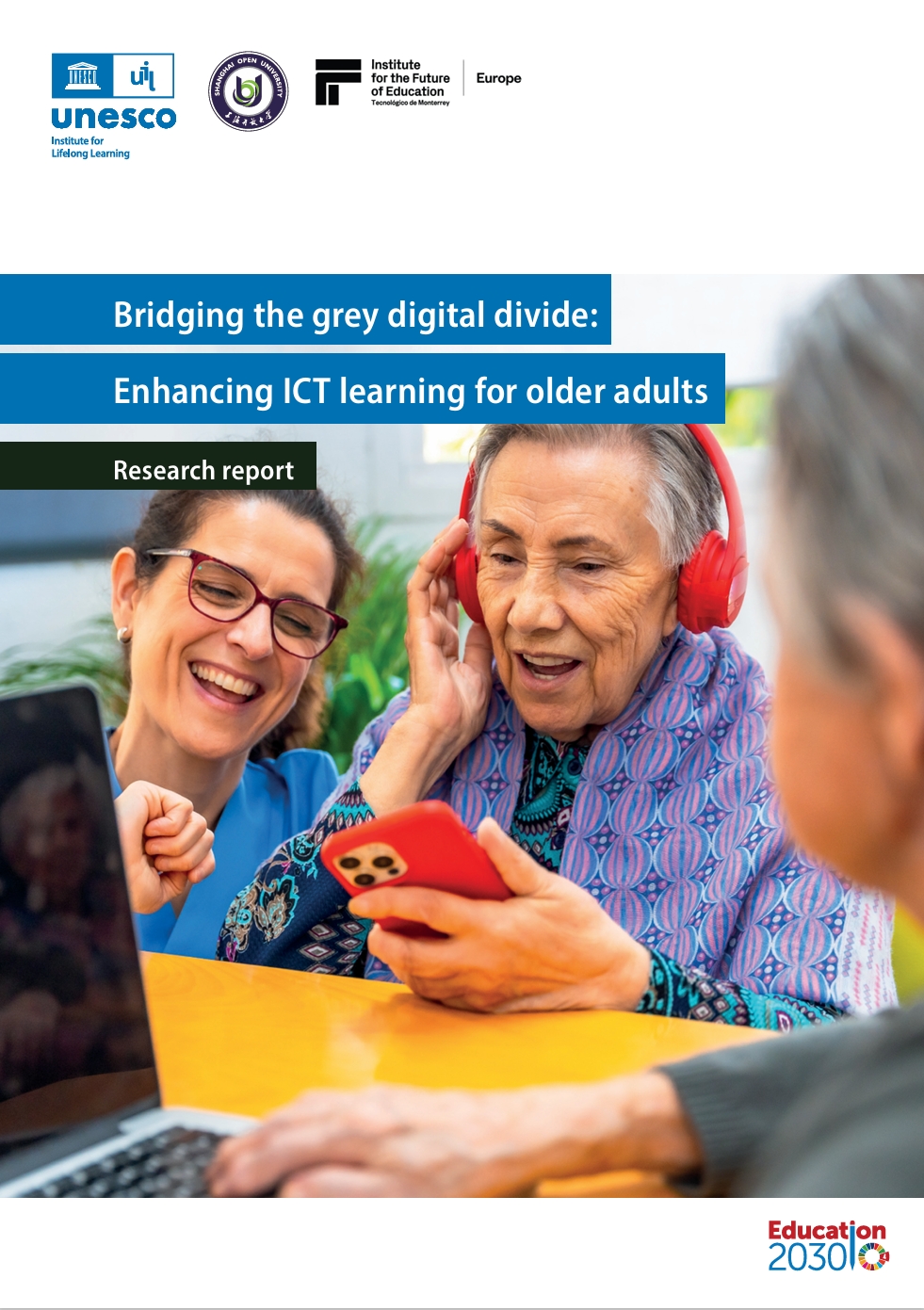 Bridging the Grey Digital Divide: Enhancing ICT Learning for Older Adults; Research Report