

Education for citizenship in the Arab World: key to the future
- 형태사항
- 34p
- 원래 언어
- 아랍어
- 발행 연도
- 2011
Reforming education to foster citizenship is urgently needed if democracy is to take hold in the Arab world. Under authoritarian rule, students were primarily taught to be docile subjects of the state—creative thinking was discouraged and information was treated as indisputable. Instead, students must learn from a very early age what it means to be citizens who seek and produce knowledge, question, and innovate. Only by teaching youth to think critically and respect different points of view will Arab countries become economically competitive and reliably democratic.
관련 자료
-
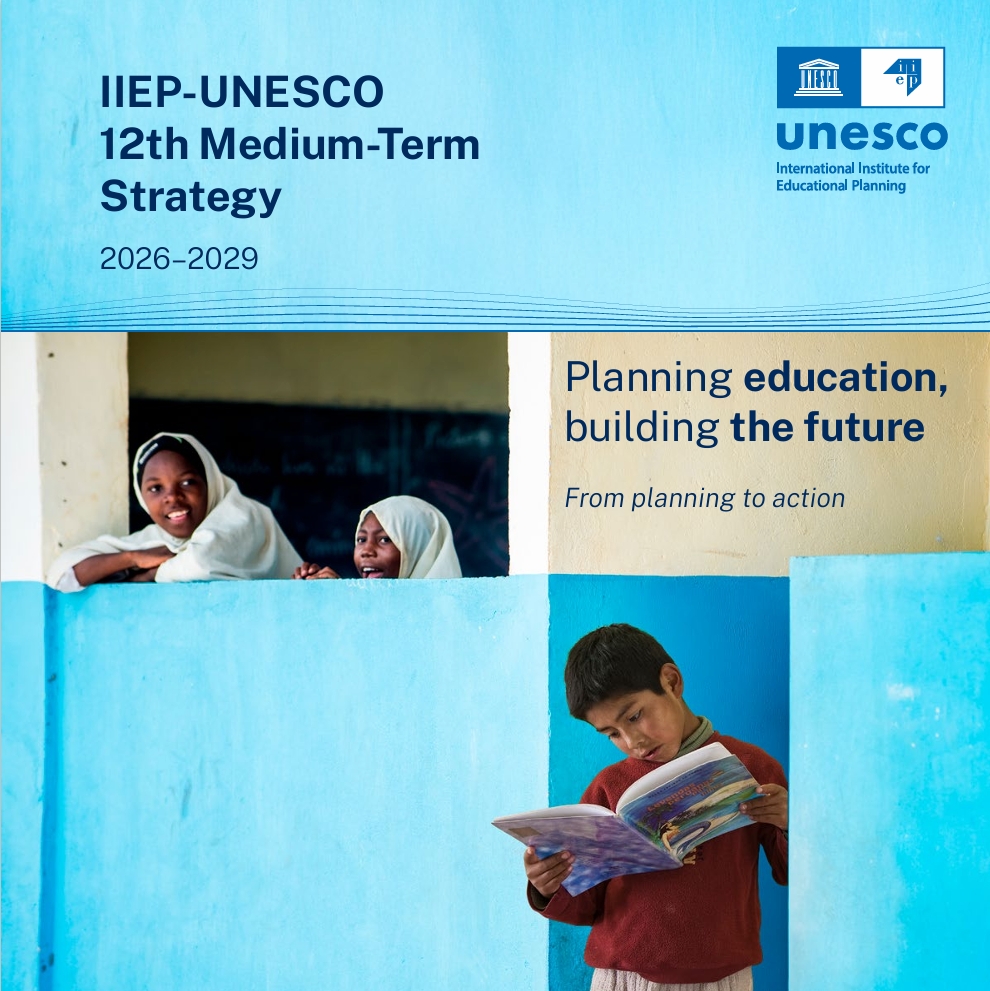 IIEP-UNESCO 12th Medium-Term Strategy: 2026–2029
 -
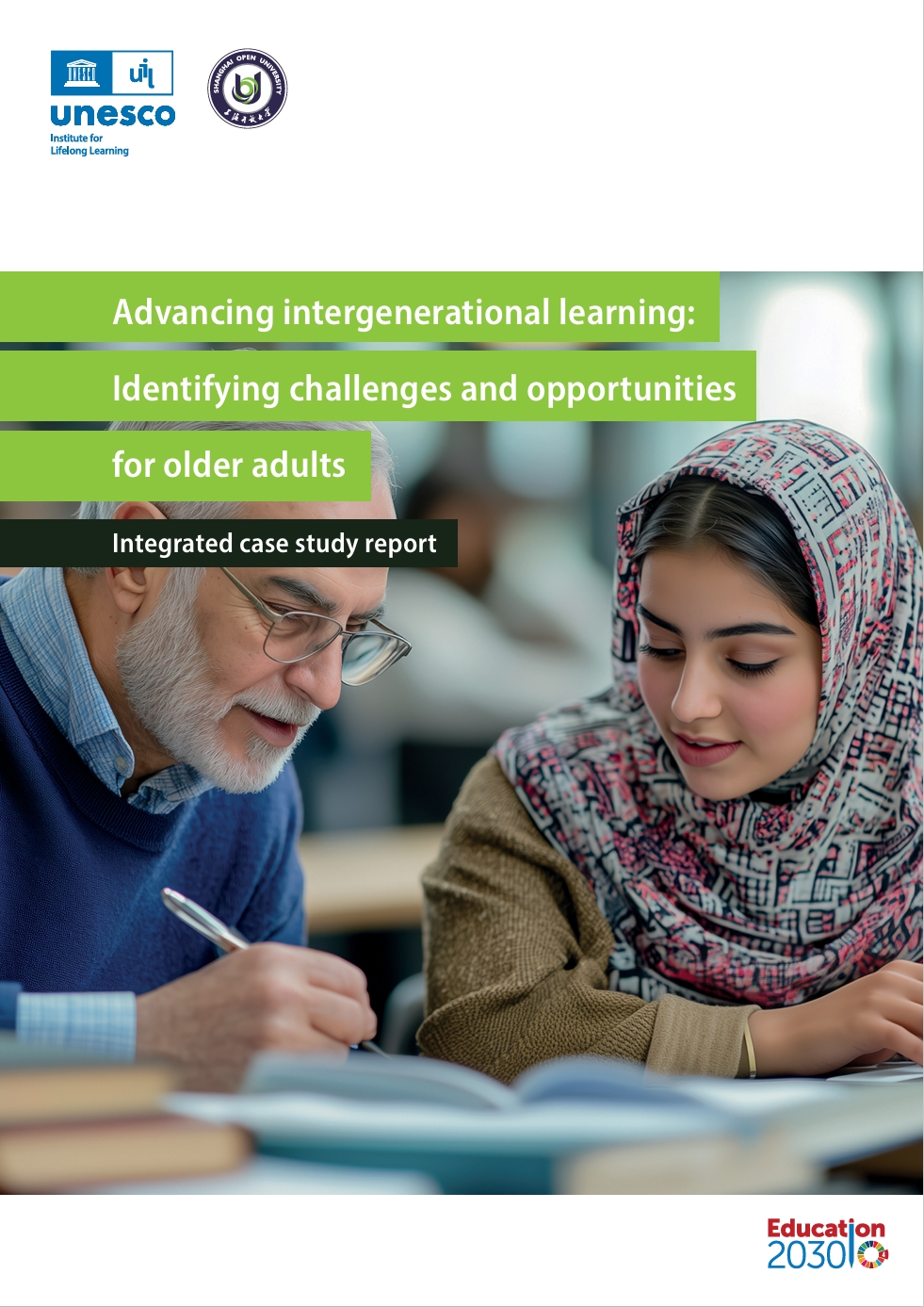 Advancing Intergenerational Learning: Identifying Challenges and Opportunities for Older Adults; Integrated Case Study Report
 -
 Digital Empowerment for Lifelong Learning and Transformative Andragogy (DELTA) for Adult Educators: Introduction to the DELTA Framework and Resources
 -
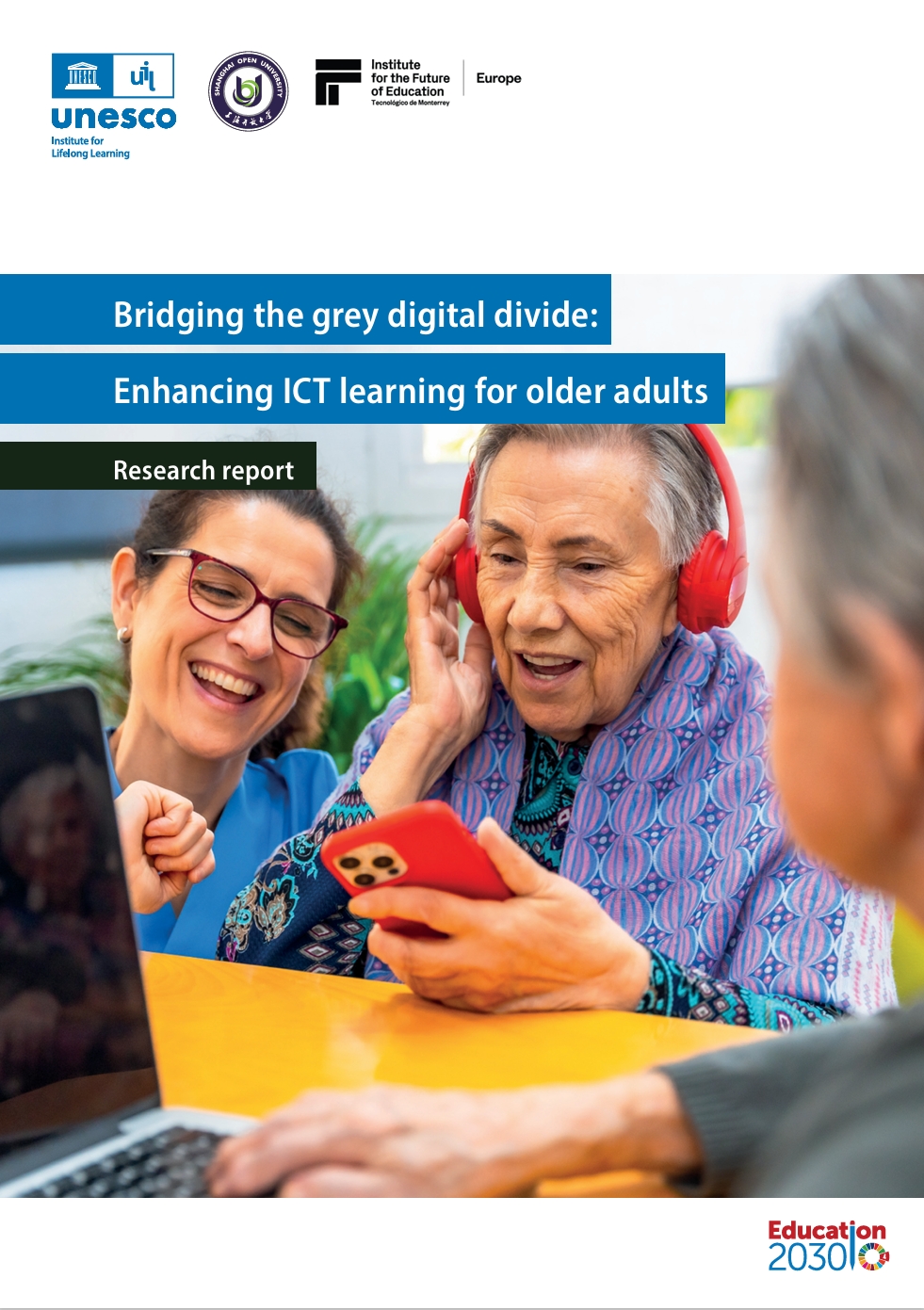 Bridging the Grey Digital Divide: Enhancing ICT Learning for Older Adults; Research Report