
자료
세계시민교육에 대한 이해를 넓히고 연구, 옹호 활동, 교수, 학습 등을 향상시킬 수 있는 다양하고 유용한 자료를 찾아보세요.
2 건의 결과가 검색되었습니다
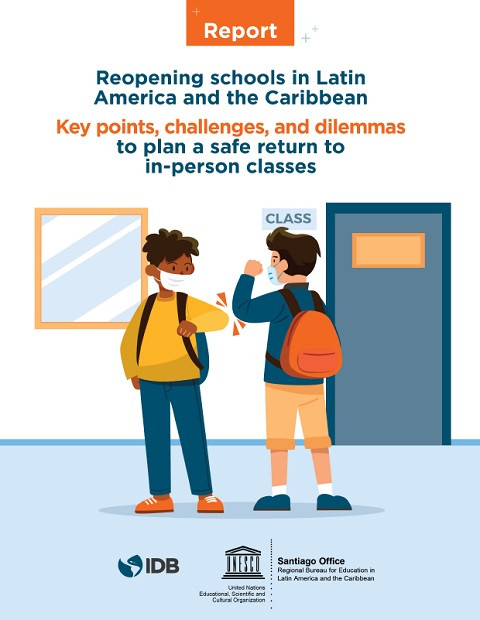 Reopening Schools in Latin America and the Caribbean: Keys, Challenges, and Dilemmas to Plan for a Safe Return to in-Person Classes 발행 연도: 2021 저자: Alejandro Vera | Martín Scasso | Alejandro Morduchowicz | Cecilia Berlanga Alessio Robles 단체 저자: UNESCO Santiago | Inter-American Development Bank The suspension of in-person classes as a consequence of the COVID-19 pandemic profoundly affected the education systems in Latin America and the Caribbean (LAC) and compromised the achievements reached around the goals established in the SDG4-Education 2030 Agenda. The most vulnerable people have been the most affected by this situation, which widened the preexisting gaps. The countries of the region have carried out great efforts to guarantee the continuity of learning. However, these have been limited by the challenges that this unprecedented crisis brought, aggravated by unequal conditions in access to infrastructure and other resources that affect broad sectors of the population.This report analyzes the possibilities, restrictions and needs that the countries of the region will face during the process of returning to in-person classes, considering five dimensions: (i) safe schools (school infrastructure, access to water and sanitation); (ii) human resources (principals and teachers); (iii) access to ITC and connectivity; (iv) education financing and (v) information and planning. Reabrir las escuelas en América Latina y el Caribe: Claves, desafíos y dilemas para planificar el retorono seguro a las clases presenciales; Reporte 발행 연도: 2021 저자: Alejandro Vera | Martín Scasso | Alejandro Morduchowicz | Cecilia Berlanga Alessio Robles 단체 저자: UNESCO La suspensión de clases presenciales como consecuencia de la pandemia de COVID-19 afectó profundamente los sistemas educativos de América Latina y el Caribe, y puso en riesgo los avances alcanzados en torno al cumplimiento de las metas establecidas en la Agenda ODS 4-Educación 2030. Las poblaciones más vulnerables se han visto más afectadas por esta situación, lo cual acrecentó las brechas preexistentes. Los países de la región llevaron a cabo enormes esfuerzos para garantizar la continuidad de los aprendizajes. Sin embargo, se ven limitados por los desafíos que presenta este contexto inédito de crisis y agravados por las desiguales condiciones de acceso a infraestructura y otros recursos que afectan a vastos sectores de la población.El reporte analiza las posibilidades, restricciones y necesidades que enfrentarán los países de la región durante el proceso del regreso a las clases presenciales, considerando cinco dimensiones: (i) escuelas seguras (infraestructura escolar, acceso al agua y saneamiento); (ii) recursos humanos (directores y docentes); (iii) acceso a TIC y conectividad, (iv) financiamiento de la educación y (v) información y planificación.