
자료
세계시민교육에 대한 이해를 넓히고 연구, 옹호 활동, 교수, 학습 등을 향상시킬 수 있는 다양하고 유용한 자료를 찾아보세요.
2 건의 결과가 검색되었습니다
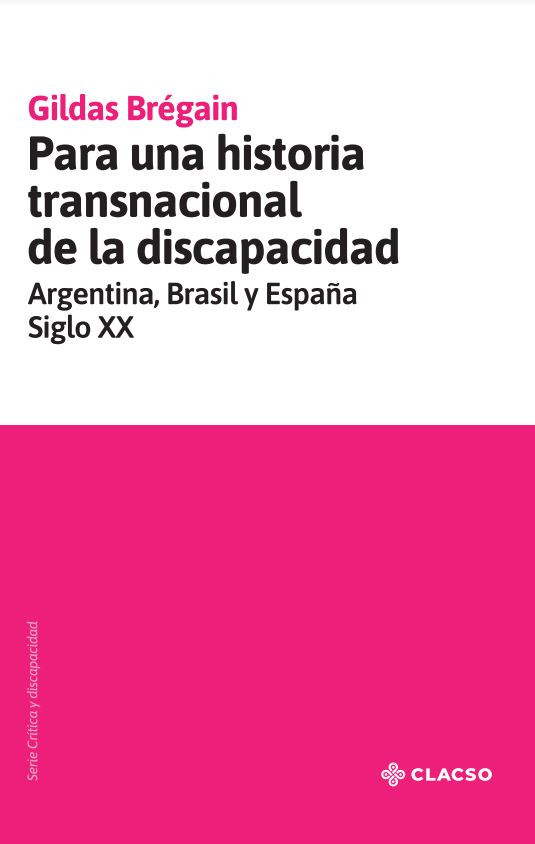 For a Transnational History of Disability: Argentina, Brazil and Spain 20th Century 발행 연도: 2022 저자: Gildas Bregain 단체 저자: Latin American Council of Social Sciences (CLACSO) Publications on disability have been mostly limited to health, rehabilitation and education editorials. On the other hand, this new Editorial Series, open to social movements, platforms of struggle, academic groups, collaboration networks, public policy makers, citizens of all of our Latin America and the Caribbean and other latitudes of the global South, combines a multiplicity of edges, perspectives and approaches. This volume comes to occupy a vacant place in critical studies on disability in Latin America, which is to record the struggles for the rights of these people in our region. Introducing a historical problematization in this regard not only has an epistemological and political relevance, but also makes a contribution to the present and to contemporary disability policies. Para una historia transnacional de la discapacidad: Argentina, Brasil y España Siglo XX 발행 연도: 2022 저자: Gildas Bregain 단체 저자: Latin American Council of Social Sciences (CLACSO) Las publicaciones sobre discapacidad han estado circunscriptas mayoritariamente a las editoriales de salud, rehabilitación y educación. En cambio, esta nueva Serie Editorial, abierta a los movimientos sociales, a las plataformas de lucha, a los grupos académicos, a las redes de colaboración, a los hacedores de políticas públicas, a los ciudadanos y ciudadanas de toda nuestra América Latina y el Caribe y otras latitudes del Sur global, conjuga una multiplicidad de aristas, perspectivas y enfoques. El presente volumen viene a ocupar un lugar de vacancia en los estudios críticos sobre discapacidad en América Latina, que es el historiar las luchas por los derechos de dichas personas en nuestra región. Introducir una problematización histórica al respecto no solo posee una relevancia espistemológica y política, sino que también realiza una contribución al presente y a las políticas contemporáneas de discapacidad.