
자료
세계시민교육에 대한 이해를 넓히고 연구, 옹호 활동, 교수, 학습 등을 향상시킬 수 있는 다양하고 유용한 자료를 찾아보세요.
2 건의 결과가 검색되었습니다
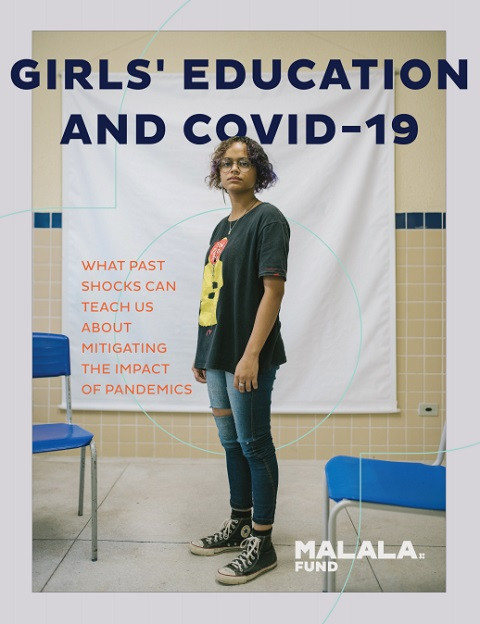 Girls' Education and COVID-19: What Past Shocks Can Teach Us About Mitigating the Impact of Pandemics 발행 연도: 2020 저자: Lucia Fry | Philippa Lei 단체 저자: Malala Fund Almost 90% of the world’s countries have shut their schools in efforts to slow the transmission of COVID-19. Alongside school closures, governments are also imposing social distancing measures and restricting the movement of people, goods, and services, leading to stalled economies. While this disruption to education and the expected reduction in global growth have far-reaching effects for all, their impact will be particularly detrimental to the most disadvantaged students and their families, especially in poorer countries. The educational consequences of COVID-19 will last beyond the period of school closures, disproportionately affecting marginalized girls.This paper uses insights from previous health and financial shocks to understand how the current global pandemic could affect girls’ education outcomes for years to come. It details how governments and international institutions can mitigate the immediate and longer-term effects of the pandemic on the most marginalized girls. The paper considers the 2014- 15 Ebola epidemic and the 2008 global financial crisis, which both have some parallels to the impact of COVID-19.
 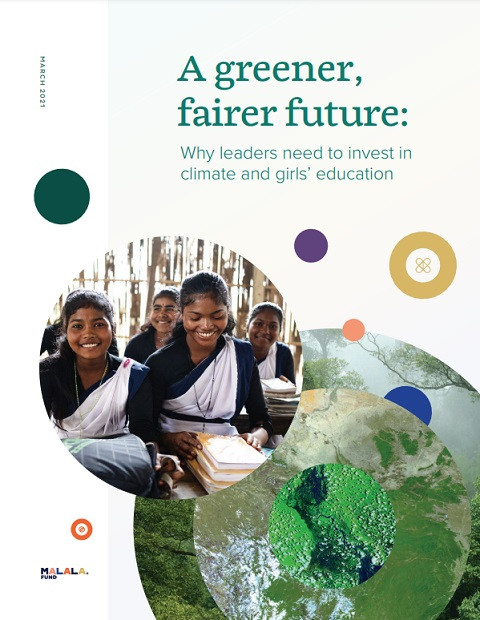 A Greener, Fairer Future: Why Leaders Need to Invest in Climate and Girls’ Education 발행 연도: 2021 저자: Lucia Fry | Philippa Lei 단체 저자: Malala Fund The world is on the brink of a climate catastrophe — and girls are disproportionately bearing the impact. Climate-related events like flooding, droughts and increased exposure to zoonotic diseases amplify the inequalities girls face and further limit their ability to access and complete their education. Malala Fund’s new report, A greener, fairer future: Why leaders need to invest in climate and girls' education, estimates that in 2021 climate-related events will prevent at least four million girls in low- and lower-middle-income countries from completing their education. If current trends continue, by 2025 climate change will be a contributing factor in preventing at least 12.5 million girls from completing their education each year.Yet evidence shows that closing gender gaps in education can help countries better adapt to the effects of climate change and decrease the rate and impact of global warming.“Girls in lower-income countries are the least responsible for the climate crisis, so it’s a travesty that it now threatens their very lifeline to a brighter future: quality education,” said Lucia Fry, Director of Research and Policy at Malala Fund. “Malala Fund wants leaders at COP26 to hear young people’s demands around education. They know that climate action helps girls stay in school, which in turn helps countries tackle the climate crisis. Young people are demanding an education that will prepare them to adapt to the effects of climate change and challenge the root causes of the crisis.”A greener, fairer future outlines the origins of the climate emergency and explains how confronting issues like the legacy of colonialism, racial discrimination and gender inequality through education is key to finding a sustainable solution to the crisis. The paper introduces the Gender-Equal Green Learning Agenda, a new framework to help leaders address the climate crisis through education.In this report, Malala Fund recommends how leaders can take urgent climate action at meetings this year, like COP26. This includes reducing carbon emissions, improving girls’ access to education, helping communities adapt to the realities of climate change and transforming education systems to provide all students with the knowledge, skills and values needed to challenge the social and economic inequalities fuelling the climate crisis.For more about the links between climate change and girls’ education, read the full paper below.