
자료
세계시민교육에 대한 이해를 넓히고 연구, 옹호 활동, 교수, 학습 등을 향상시킬 수 있는 다양하고 유용한 자료를 찾아보세요.
2 건의 결과가 검색되었습니다
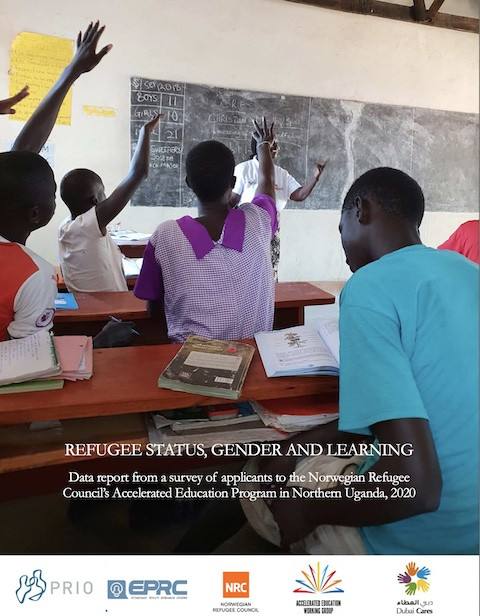 Refugee Status, Gender and Learning 발행 연도: 2020 저자: Kendra Dupuy | Martin Flatø | Haakon Gjerløw | Andreas Kotsadam | Mette Løvgren | Francis Mwesigye | Siri Aas Rustad | Gudrun Østby 단체 저자: Norwegian Refugee Council (NRC) | Dubai Cares | Accelerated Education Working Group (AEWG) | Economic Policy Research Center (EPRC) | Peace Research Institute Oslo (PRIO) This data report provides details from a survey of applicants to the Norwegian Refugee Council’s Accelerated Education Program in Northern Uganda, 2020. The surveys covered a range of topics, such as demographic and socioeconomic background, school attendance, academic skills, social control, feelings and perceptions on various topics, and future aspirations.
  Catch-up Programmes: 10 Principles for Helping Learners Catch Up and Return to Learning 발행 연도: 2021 저자: Kayla Boisvert 단체 저자: Accelerated Education Working Group (AEWG) Due to the COVID-19 pandemic, in which approximately 1.5 billion children and youth (nearly 85% of the world’s learners) were affected by school closures,1 the AEWG anticipates that catch-up programmes will be deployed extensively to meet the needs of learners who missed out on several months to approximately one year of education due to the disruption. Therefore, building on the AEWG’s programme definitions and our expertise in AE and other non-formal or alternative education options that accelerate the acquisition of knowledge and skills, the AEWG developed this set of principles and action points for catch-up programmes.