
자료
세계시민교육에 대한 이해를 넓히고 연구, 옹호 활동, 교수, 학습 등을 향상시킬 수 있는 다양하고 유용한 자료를 찾아보세요.
25 건의 결과가 검색되었습니다
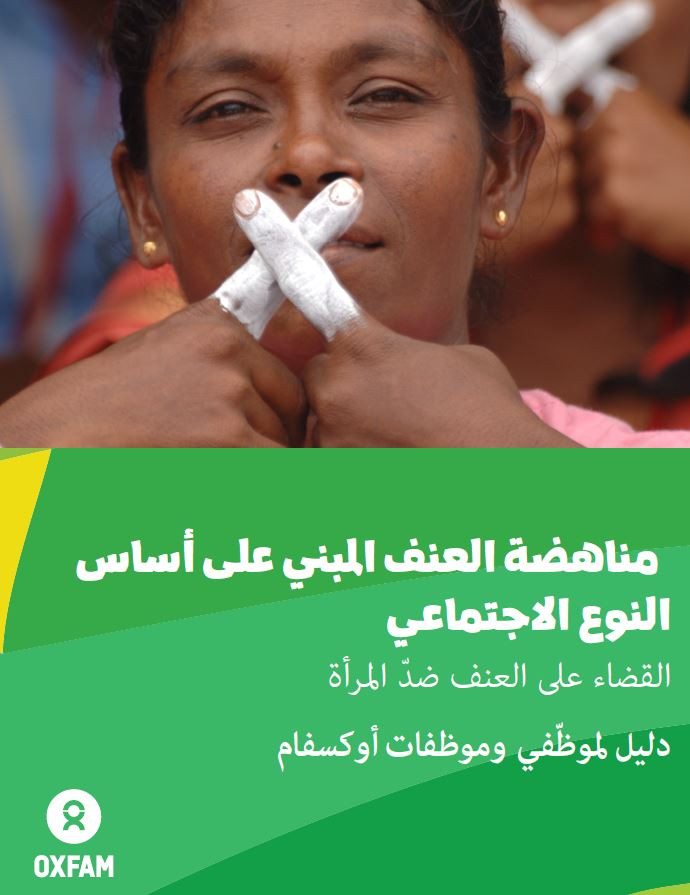 Combating Gender-Based Violence: Ending Violence Against Women 발행 연도: 2012 단체 저자: Oxfam GB This file is a practical guide produced by Oxfam for its employees to combat gender-based violence, specifically violence against women. Oxfam works to eliminate violence against women because it is a violation of human rights and a major obstacle to human development. In order to achieve an effective intervention, violence against women must be defined and its root causes understood. مناهضة العنف المبني على أساس النوع الاجتماعي: القضاء على العنف ضد المرأة 발행 연도: 2012 단체 저자: Oxfam GB هذا الملف هو دليل عملي أنتجته مؤسسة أوكسفام لموظفيها في سبيل مناهضة العنف المبني على أساس النوع الاجتماعي، وبالتحديد العنف ضد المرأة. حيث تعمل منظمة أوكسفام على القضاء على العنف ضدّ المرأة لأنه انتهاك لحقوق الإنسان وعائق أساسي في وجه التنمية البشرية. فلتحقيق تدخّل فعّال لا بدّ من تعريف العنف ضدّ المرأة وفهم أسبابه الأساسية.
 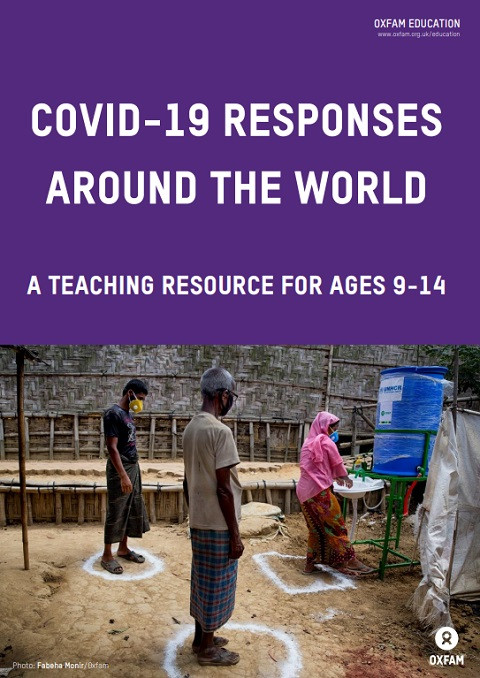 COVID-19 Responses Around the World: A Teaching Resource for Ages 9-14 발행 연도: 2021 단체 저자: Oxfam GB This resource helps learners to discuss their thoughts and feelings about the pandemic with others. Learners will also find out about ways to stop the current ‘infodemic’ – the rapid spread of misinformation and disinformation about COVID-19.This material will help learners to:discuss their thoughts and feelings about COVID-19.investigate some of the incredible ways in which people have been responding to this crisis.understand the difference between information, disinformation and misinformation.consider their own responses to the pandemic and possible actions that they might take to manage their own wellbeing and support others.
 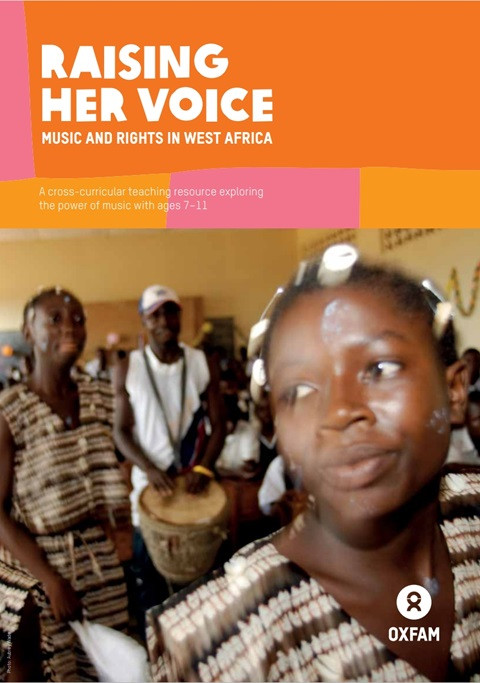 Raising Her Voice: Music and Rights in West Africa 단체 저자: Oxfam GB Investigate the power of music with these classroom activities for ages 7-11. Focusing on West Africa, this teaching resource will guide learners through an exploration of aspects of the culture, history and experiences of people in Benin, Mali and Senegal, and of how music can be used to express people's voices. These activities could be used alongside the Raising our Voices education resource.
 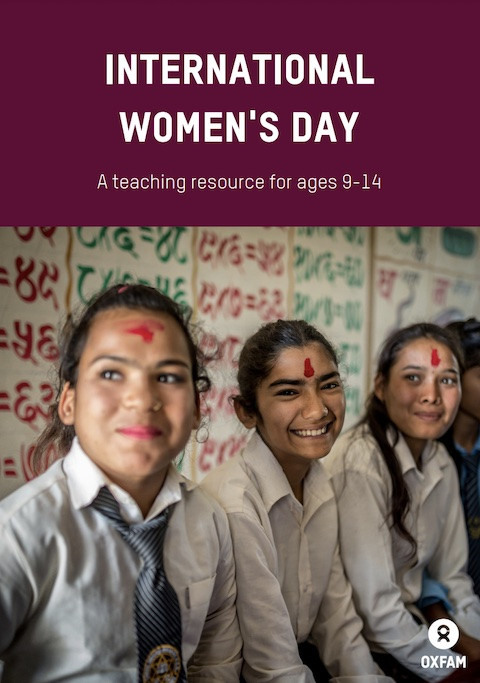 International Women’s Day: A Teaching Resource for Ages 9-14 발행 연도: 2022 단체 저자: Oxfam GB This teaching resource could be used on International Women's Day or on any day of the year, to introduce issues related to gender equality, support critical thinking, and encourage young people to consider possible action they might like to take in response. These cross-curricular activities are designed to be flexible and easily adapted for use in an assembly, form time or to support more in-depth classroom learning. Depending on the availability of time and other learning taking place, the activities could be taught sequentially over a series of lessons or selected and delivered as standalone sessions. The suggested age range is 9-14 but some of the activities could be adapted to suit the needs of younger and older learners. Depending on learners’ age and the context, teachers may also wish to acknowledge and discuss inequality issues connected to LGBT+.
 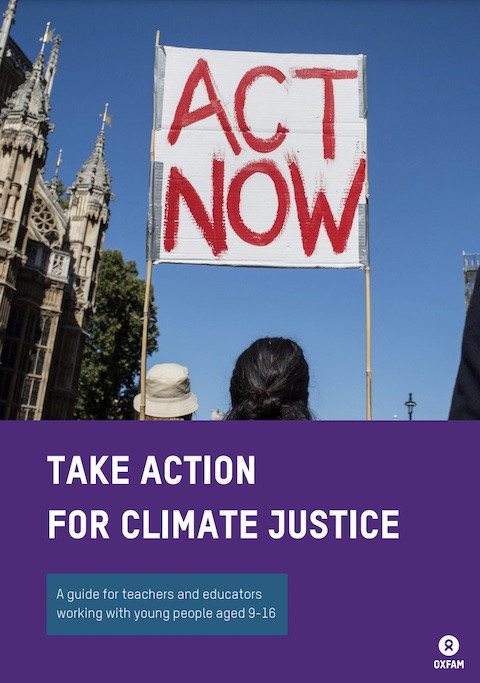 Take Action for Climate Justice: A Guide for Teachers and Educators Working With Young People Aged 9-16 발행 연도: 2022 단체 저자: Oxfam GB Aimed at teachers and educators, this short guide contains practical advice, classroom activities and helpful planning tools to inspire and motivate young people aged 9-16 to take action for our planet and its people.There are many ways in which we can all take climate action, from making individual lifestyle changes to participating in collective community responses that target the systemic causes of the climate emergency, and all are important. Taking action can develop young people’s sense of agency, build skills such as leadership and decision-making, and help them to build empathy and manage eco-anxiety. This guide supports young people to take action by sharing the message about climate justice, raising awareness and influencing others to help make change happen.A recent survey by Inter Climate Network found that more than 80 per cent of young people aged 11–18 were concerned about climate change, with half of them already choosing to take climate action. Almost all of those taking action are doing so at home, with only a third acting on climate change in school. Another key finding was that many young people do not feel they have the power to effect change, citing barriers such as a lack of knowledge about what they can do, insufficient time provided in school for positive climate action, and a sense that individual actions have little impact without wider structural change.
 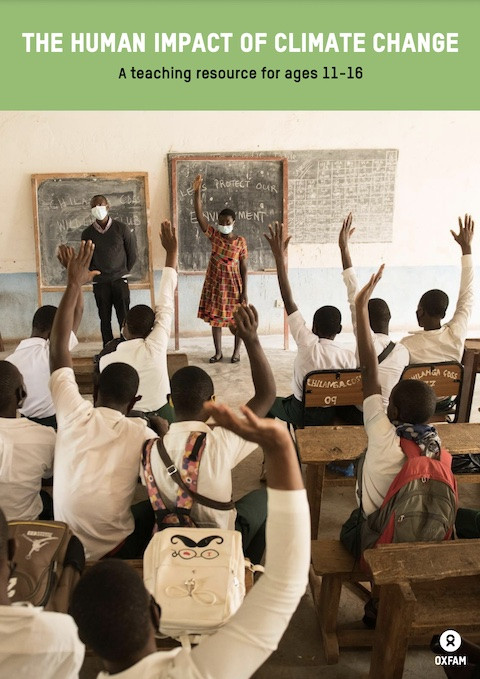 The Human Impact of Climate Change: A Teaching Resource for Ages 11-16 발행 연도: 2021 단체 저자: Oxfam GB These activities for ages 11-16 explore the human impact of the climate emergency and provide new spaces, approaches and opportunities for climate education and social action. This is in response to the call to action by Teach the Future (2020) who presented research on the current state and future of climate education in the UK. Their report discovered an overwhelming demand for climate education in schools alongside low levels of teacher knowledge about how to effectively deliver climate education and a narrow range of curriculum areas where it is taught. This resource frames the climate emergency as a human rights and people-centred issue and supports teachers to promote a sense of agency and empowerment within young people. This in turn is recognised as one strategy to help young people manage eco-anxiety, as well as disillusionment and disengagement with climate issues. This resource is suitable as both a curriculum resource and to inform social action by young people (for example, in GCSE Citizenship Studies)
 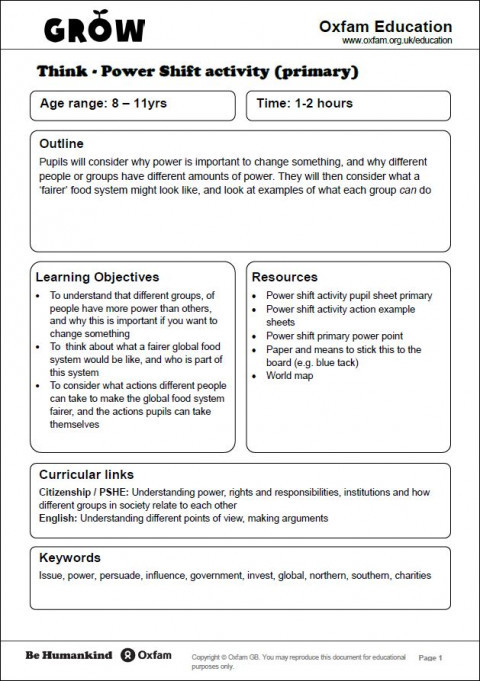 Think: Power-Shift Activity Teachers Guide for Primary Schools 단체 저자: Oxfam GB Linked to Oxfam's GROW campaign, the Food for Thought school resources get young people learning, thinking and taking action for a fairer food system.Through this activity pupils will consider why power is important to change something, and why different people or groups have different amounts of power. They will then consider what a ‘fairer’ food system might look like, and look at examples of what each group can do.
 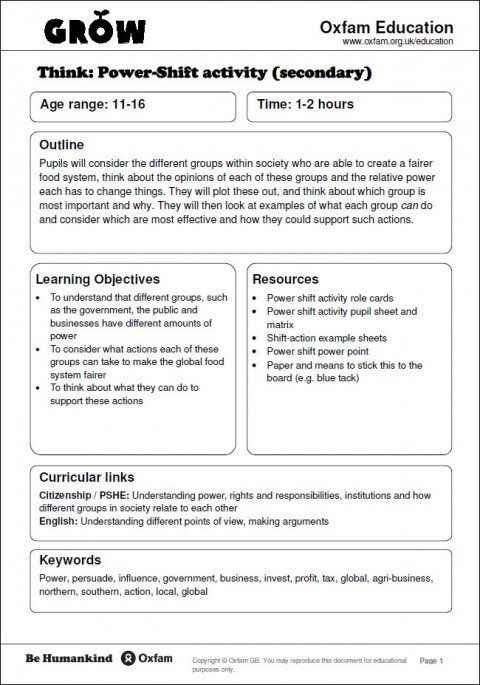 Think: Power-Shift Activity Teachers Guide for Secondary Schools 단체 저자: Oxfam GB Linked to Oxfam's GROW campaign, the Food for Thought school resources get young people learning, thinking and taking action for a fairer food system.Through this activity pupils will consider the different groups within society who are able to create a fairer food system, think about the opinions of each of these groups and the relative power each has to change things. They will plot these out, and think about which group is most important and why. They will then look at examples of what each group can do and consider which are most effective and how they could support such actions.
 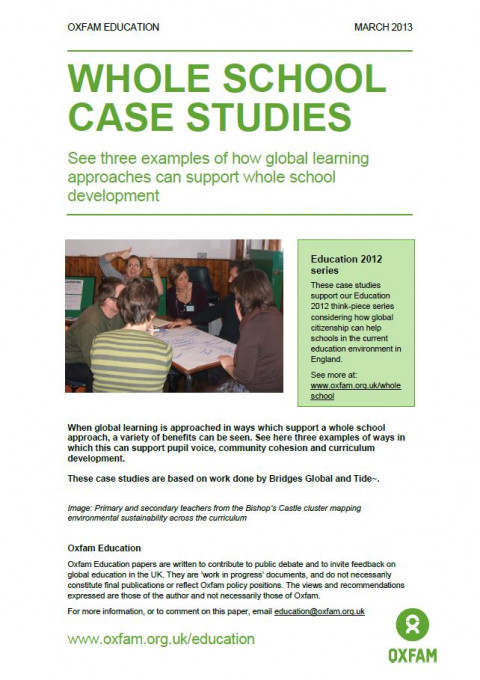 Whole School Case Studies: See Three Examples of How global Larning Approaches Can Support Whole School Development 발행 연도: 2013 단체 저자: Oxfam GB These case studies support our Education 2012 think-piece series considering how global citizenship can help schools in the current education environment in England.When global learning is approached in ways which support a whole school approach, a variety of benefits can be seen. See here three examples of ways in which this can support pupil voice, community cohesion and curriculum development.These case studies are based on work done by Bridges Global and Tide~.See more at: www.oxfam.org.uk/wholeschool