
자료
세계시민교육에 대한 이해를 넓히고 연구, 옹호 활동, 교수, 학습 등을 향상시킬 수 있는 다양하고 유용한 자료를 찾아보세요.
27 건의 결과가 검색되었습니다
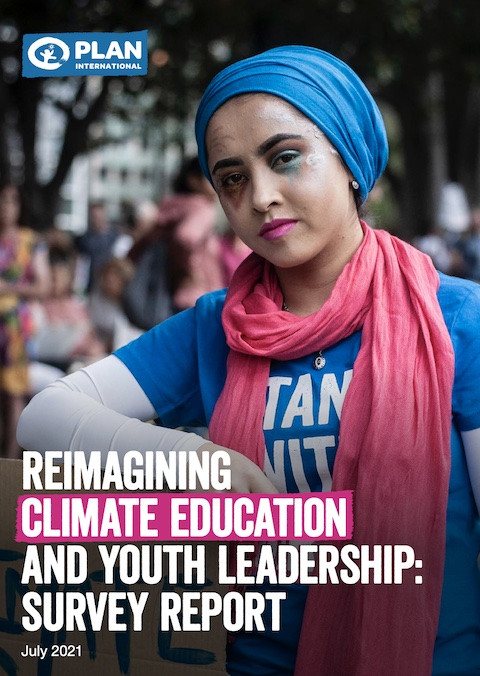 Réinventer l’éducation au climat et le leadership des jeunes : Rapport d’enquête 발행 연도: 2021 저자: Lucia Rost | Jessica Cooke | Isobel Fergus 단체 저자: Plan International Le changement climatique est une injustice sociale, intergénérationnelle, de genre et raciale. Plan International vise à aider les enfants et les jeunes à participer de manière significative et en toute sécurité aux processus de politique climatique et à réduire les obstacles qui les empêchent de participer et d’influencer la politique et le plaidoyer climatiques.Dans ce cadre, Plan International a mené une enquête mondiale en ligne pour recueillir les opinions et les expériences des jeunes sur l’éducation au changement climatique et leur participation aux processus politiques climatiques. L’enquête était disponible en sept langues et était ouverte aux jeunes de 15 à 24 ans dans les 77 pays où Plan International intervient. Plus de 1800 adolescent.e.s et jeunes, âgés de 15 à 24 ans, originaires de 37 pays, y ont participé : plus de la moitié (54 %) avaient entre 15 et 18 ans et 72 % étaient des filles.
 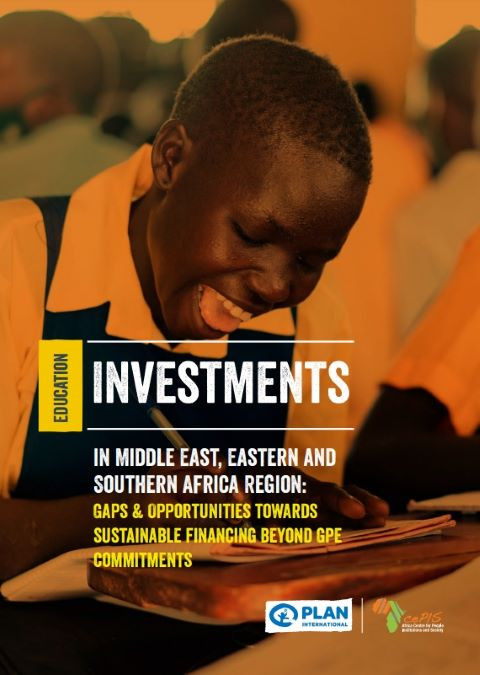 Education Investments in Middle East, Eastern and Southern Africa: Gaps & Opportunities Towards Sustainable Financing Beyond GPE Commitments 발행 연도: 2022 단체 저자: Plan International To achieve the goals of the global and continental agendas of repositioning access, equity, quality education and skills development as key drivers of inclusive growth and sustainable development, African governments must provide a level of predictable and sustainable investment in education. With these strategic investments, African countries can change the status quo, accelerate the pace of catching up with the developed countries and be able to compete in an increasingly technology and knowledge-based world where skills have become the “global currency of the 21st century”. Plan International in Middle East, Eastern and Southern Africa commissioned a study to assess the extent to which the Education Sector budget is adequate, gender-responsive and inclusive and to analyse education budget trends between 2019 and 2021. The focus was to generate concrete evidence regarding trends in education sector budget allocations and expenditure. Furthermore, due to the recent pandemic, the study aimed to compare current and previous allocations to detect trends/patterns in allocations and any reallocations due to COVID-19. Specifically, the study sought to: Analyse allocations (and expenditure) to the education sector with a particular focus on initiatives aimed at supporting the provision of gender-responsive and disability-inclusive education in line with the country policies; Assess the efficiency of resource allocation and use against planned expenditure; and Recommend effective strategies for CSOs and citizens to advocate for education budget increase to or above 20% of the national budget and 6% of GDP. The study focused on 10 countries in the region – Kenya, Uganda, Zambia, Malawi, Zimbabwe, South Sudan, Tanzania, Egypt, Somalia and Rwanda. With a multi-pronged research process of budget tracking and analysis, policy analysis, political economy analysis and varied data collection methods – the research findings and recommendations are ready for wider dissemination and use.
 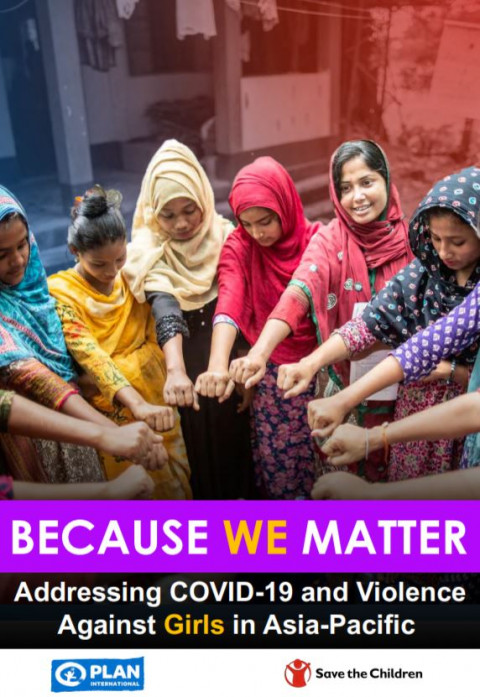 Because We Matter: Addressing COVID-19 and Violence Against Girls in Asia-Pacific 발행 연도: 2020 단체 저자: Save the Children | Plan International This thematic policy brief aims to seek and secure commitment from regional and national leaders to urgently prioritize and invest consistently in the protection of girls, who are disproportionately exposed to multitude forms of violence and their devastating consequences. It provides evidence and raises concerns of girls’ vulnerability to combined and complex risks that are further intensified by the COVID-19 pandemic.This brief is primarily intended for regional policy-makers and duty-bearers responsible for regulating, planning and resourcing protection of There is no definition of what it means to be a girl. It offers a set of recommendations to guide policy and investments across the Asia Pacific region to ensure gender-responsive, effective and well-resourced measures to protect all children, and particularly girls.
 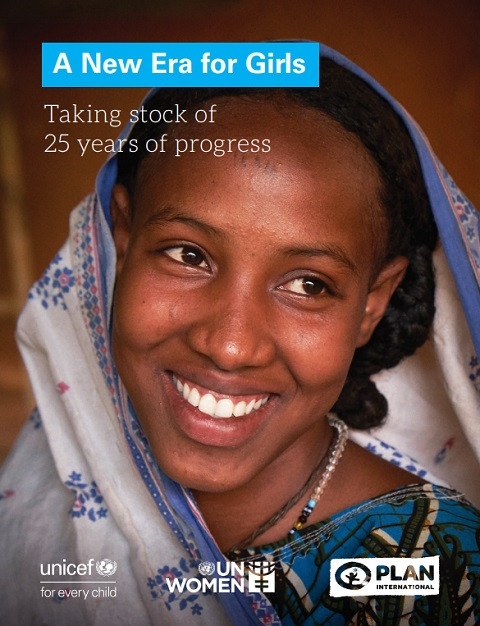 A New Era for Girls: Taking Stock on 25 Years of Progress for Girls 발행 연도: 2020 단체 저자: United Nations Children's Fund (UNICEF) | United Nations Entity for Gender Equality and the Empowerment of Women (UN Women) | Plan International The analysis presented in this report demonstrates that while girls' lives are better today than they were 25 years ago, the gains are uneven across all regions. The report calls on global, national and regional stakeholders to expand opportunities for girls and young women to be the changemakers and designers of the solutions to their challenges and opportunities; invest in the skills development of adolescent girls so they can compete in today's labour market; improve girls' health and nutrition; and end violence in all its forms against them.
 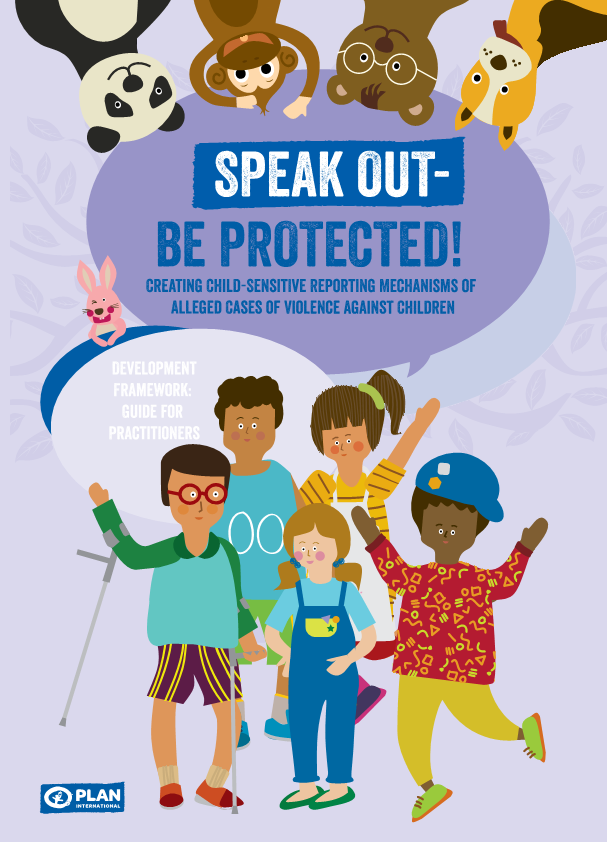 Speak Out - Be Protected! Development Framework: Guide for Practitioners; Creating Child-sensitive Reporting Mechanisms of Alleged Cases of Violence Against Children 발행 연도: 2016 저자: Raša Sekulović | Stephanie Delaney 단체 저자: Plan International Produced by Plan International, the Child-Sensitive Reporting Mechanisms toolkit “Speak Out – Be Protected!” identifies simple, user-friendly processes through which children and their peers (and families) can raise child protection concerns and report them to child protective agencies, services or trusted community groups and institutions.
 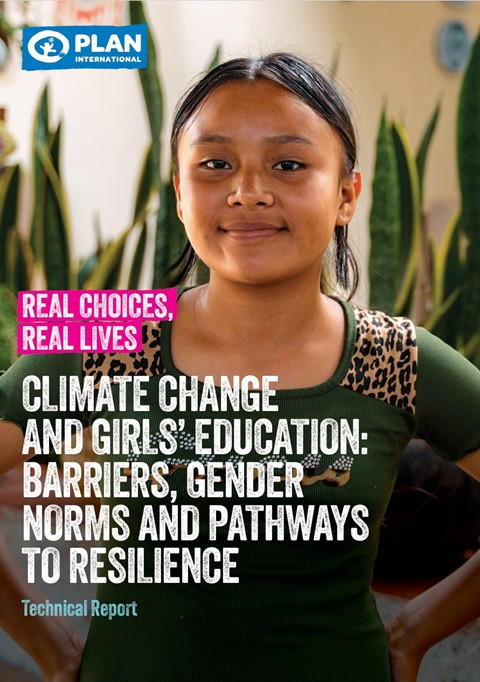 [Technical Report] Climate Change and Girls' Education: Barriers, Gender Norms and Pathways to Resilience 발행 연도: 2023 단체 저자: Plan International This is the technical report of the Climate Change and Girls' Education: Barriers, Gender Norms and Pathways to Resilience for further detail on the findings and research itself. [Rapport technique] Changement climatique et éducation des filles: entraves, normes sexistes et chemins vers la resilience 발행 연도: 2023 단체 저자: Plan International This is the technical report of the Climate Change and Girls' Education: Barriers, Gender Norms and Pathways to Resilience for further detail on the findings and research itself. [Reporte técnico] Cambio climático y educación de las niñas: barreras, normas de género, y rutas hacia la resiliencia 발행 연도: 2023 단체 저자: Plan International This is the technical report of the Climate Change and Girls' Education: Barriers, Gender Norms and Pathways to Resilience for further detail on the findings and research itself.
 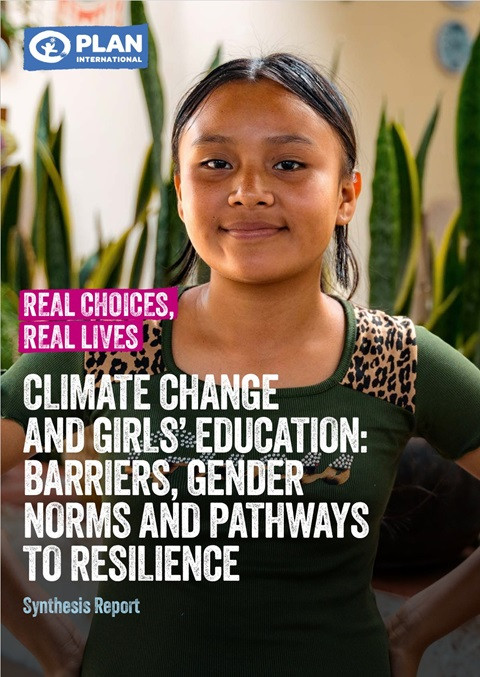 [Synthesis Report] Climate Change and Girls' Education: Barriers, Gender Norms and Pathways to Resilience 발행 연도: 2023 단체 저자: Plan International This research explores the relationship between climate change and girls' education: what are the direct and indirect impacts of climate change on girls' access to school and completion of their education? How do these impacts intersect with existing gender barriers to education? And how does your education help girls respond and adapt to climate change in their communities? A synthesis report and summary are also available, along with the technical report for more details on the conclusions and the research itself. [Rapport de synthèse] Changement climatique et éducation des filles: entraves, normes sexistes et chemins vers la resilience 발행 연도: 2023 단체 저자: Plan International This research explores the relationship between climate change and girls' education: what are the direct and indirect impacts of climate change on girls' access to school and completion of their education? How do these impacts intersect with existing gender barriers to education? And how does your education help girls respond and adapt to climate change in their communities? A synthesis report and summary are also available, along with the technical report for more details on the conclusions and the research itself.