
자료
세계시민교육에 대한 이해를 넓히고 연구, 옹호 활동, 교수, 학습 등을 향상시킬 수 있는 다양하고 유용한 자료를 찾아보세요.
795 건의 결과가 검색되었습니다
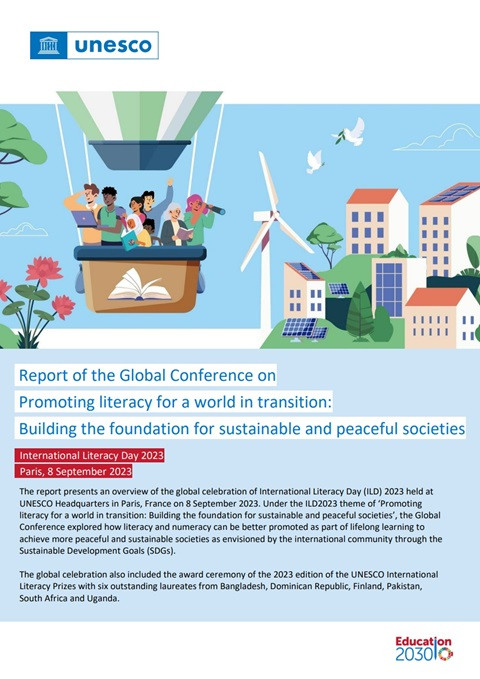 Report of the Global Conference on Promoting Literacy for a World in Transition: Building the Foundation for Sustainable and Peaceful Societies 발행 연도: 2024 단체 저자: UNESCO The report presents an overview of the global celebration of International Literacy Day (ILD) 2023 held at UNESCO Headquarters in Paris, France on 8 September 2023. Under the ILD 2023 theme of ‘Promoting literacy for a world in transition: Building the foundation for sustainable and peaceful societies’, the Global Conference explored how literacy and numeracy can be better promoted as part of lifelong learning to achieve more peaceful and sustainable societies as envisioned by the international community through the Sustainable Development Goals (SDGs). The global celebration also included the award ceremony of the 2023 edition of the UNESCO International Literacy Prizes with six outstanding laureates from Bangladesh, Dominican Republic, Finland, Pakistan, South Africa and Uganda.
 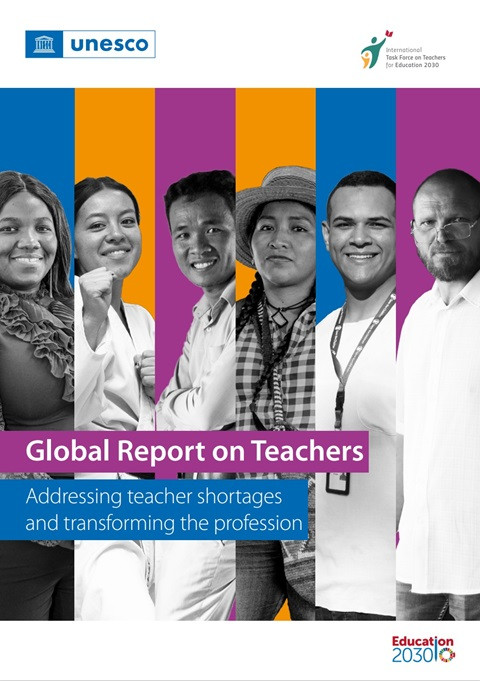 Global Report on Teachers: Addressing Teacher Shortages and Transforming the Profession 발행 연도: 2024 단체 저자: UNESCO | International Task Force on Teachers for Education 2030 The world faces a critical shortage of teachers, hindering the achievement of SDG 4 and the Education 2030 agenda. This first Global Report on Teachers stresses the urgency of this challenge and calls for immediate action. Exposing a projected deficit of 44 million primary and secondary education teachers by 2030, the report examines the complexity of the crisis, from sub-Saharan Africa’s need for 15 million more teachers to a decline in the attractiveness of the profession and subsequent retention challenges in higher-income countries. Filling a void in the field and grounded in new data, the report calls for international cooperation and increased education investment, offering a roadmap to empower teachers and to find policy solutions to ensure every learner is taught by a qualified, motivated and well-supported teachers.
 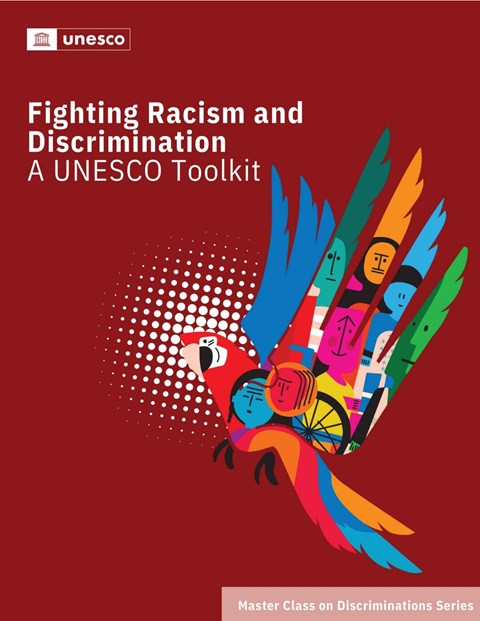 Fighting Racism and Discrimination: A UNESCO Toolkit 발행 연도: 2023 단체 저자: UNESCO Globally, 1 in 5 people have experienced discrimination on at least one of the grounds prohibited under international human rights law. Despite action around the world to end hate and combat discrimination, our societies continue to struggle. Institutionalised and structural racism remains a significant challenge with societies only beginning to come to terms with the harsh realities of historical legacies of inequality. Regardless of the rise of the Black Lives Matter movement following the death of George Floyd and increased discussion, policies tackling the legacies of historical racism as well as contemporary racism remain limited. Arguments on the ethics of collecting racial and ethnicity data persist, making measurement of racism and discrimination all the more challenging and leading to difficulties in fully comprehending this issue. However, with impact ranging from education to housing to income to criminal justice, these issues cannot wait. Recognising the magnitude of this challenge and responding to the urgent call for action – the Global Call against Racism – by our Member States, UNESCO has developed the UNESCO Anti-Racism Toolkit. Within the pages of this guide, you will find core concepts, good practices from around the world, practical exercises, and more. A tool designed to support policy-makers in developing anti-racist legislation, it is a first step to tackling the historical and structural racism within our societies.
 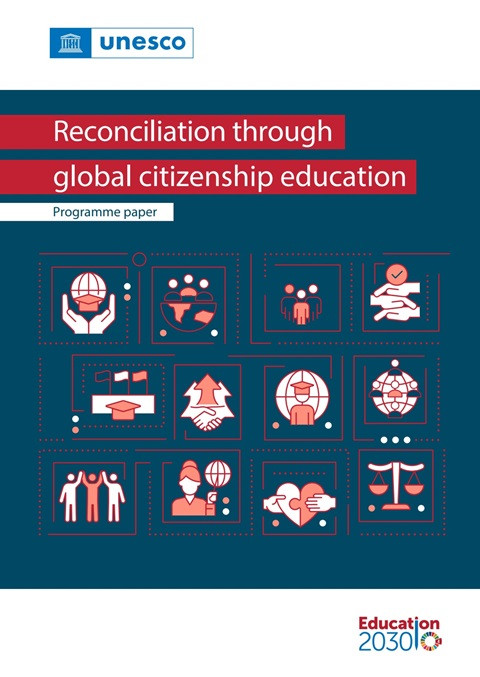 Reconciliation through Global Citizenship Education 발행 연도: 2023 단체 저자: UNESCO This document zeroes in on how concepts of GCED and reconciliation are addressed in current research and practice and aims to provide existing grounds and future considerations for policy-makers concerned with reconciliation through education.
 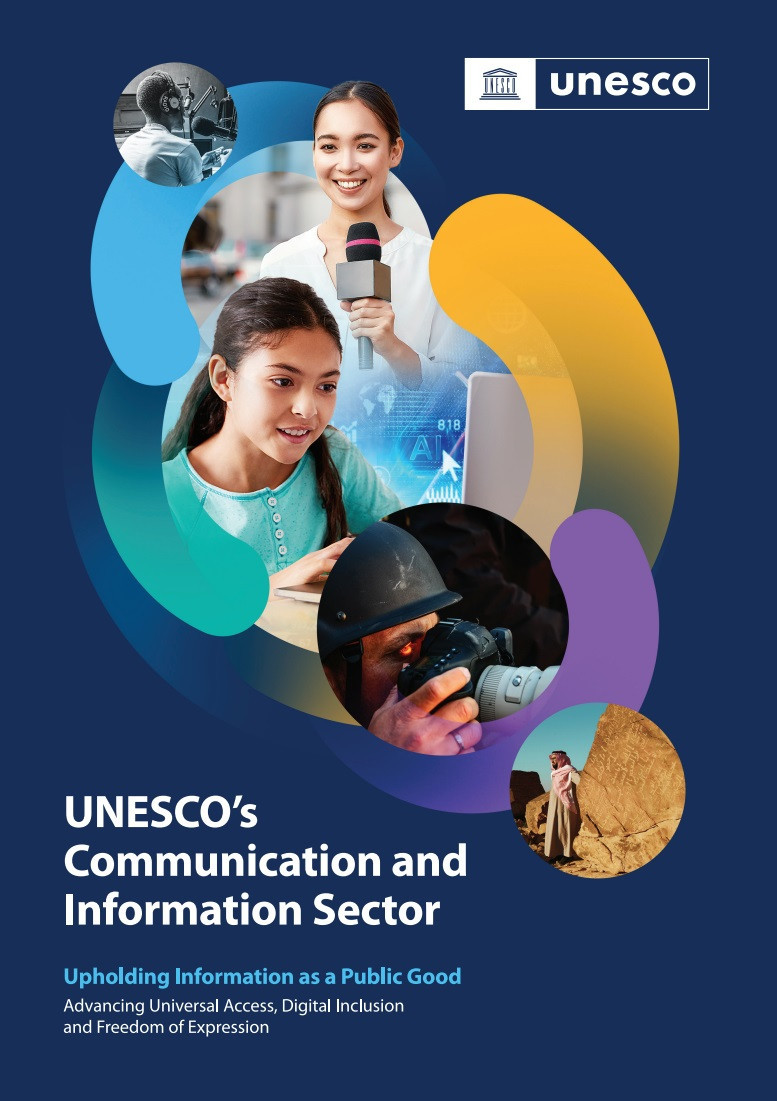 UNESCO's Communication and Information Sector: upholding information as a public good, advancing universal access, digital inclusion and freedom of expression 발행 연도: 2023 단체 저자: UNESCO
 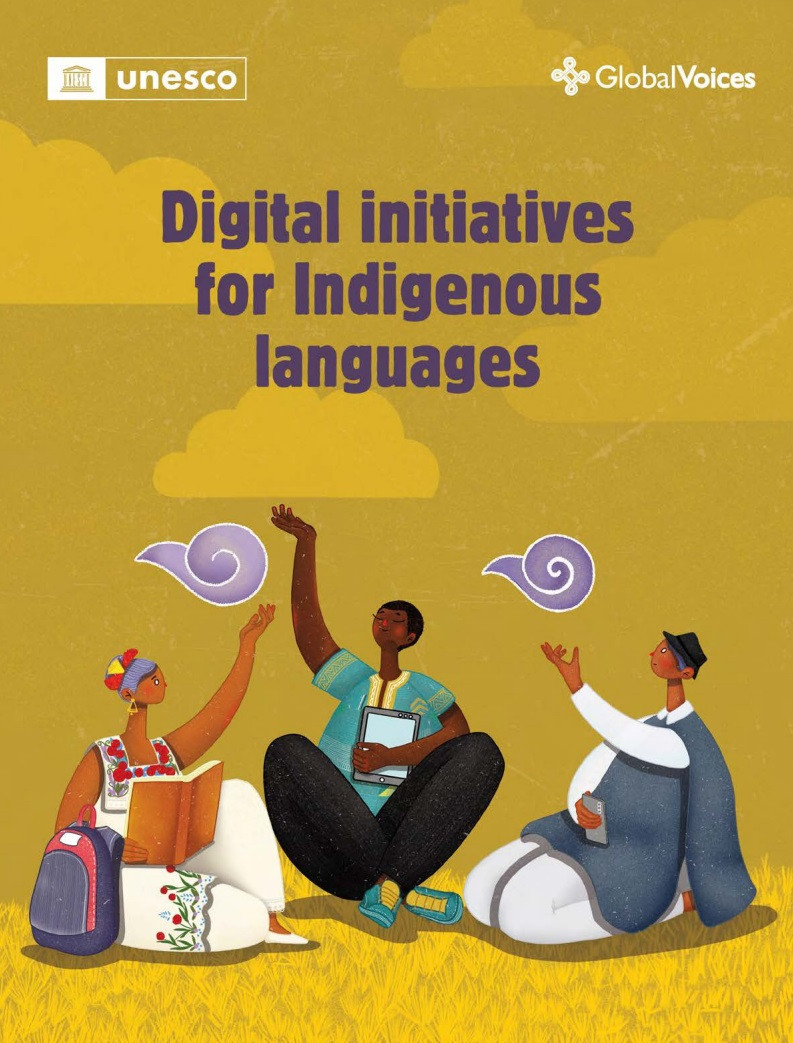 Digital initiatives for indigenous languages 발행 연도: 2023 저자: Genner Llanes-Ortiz 단체 저자: UNESCO | Global Voices (Amsterdam) <Short summary> Supported by UNESCO and Global Voices’ Rising Voices (RV), this toolkit extends the efforts of dedicated Indigenous digital practitioners. It illustrates how internet and other digital tools can be utilized to conserve, revive, and promote Indigenous languages, as well as other marginalized or minority languages.This toolkit has been co-designed in close partnership with both established and emerging networks of Indigenous digital practitioners, language advocates, and collaborators, within the framework of the International Decade of Indigenous Languages 2022-2032. The toolkit promotes the foundation of language preservation, revival, and promotion on eight key approaches:Facilitating, Multiplying, Normalizing, Educating, Reclaiming, Imagining, Defending and Protecting. It also offers a curated list of valuable resources, including guides, tutorials, and manuals for utilizing digital tools. In conjunction with the advisory group established for the toolkit’s preparation and other collaborating organizations, it presents a wealth of inspiring stories showcasing innovative projects that have made a significant impact on languages at local, national, or global levels.Finally, the toolkit is openly licensed as an Open Educational Resource. It is expected that the toolkit will continue to evolve and grow as the needs of language users and digital language defenders and promoters change alongside the introduction of new technological solutions, innovation and creativity.
 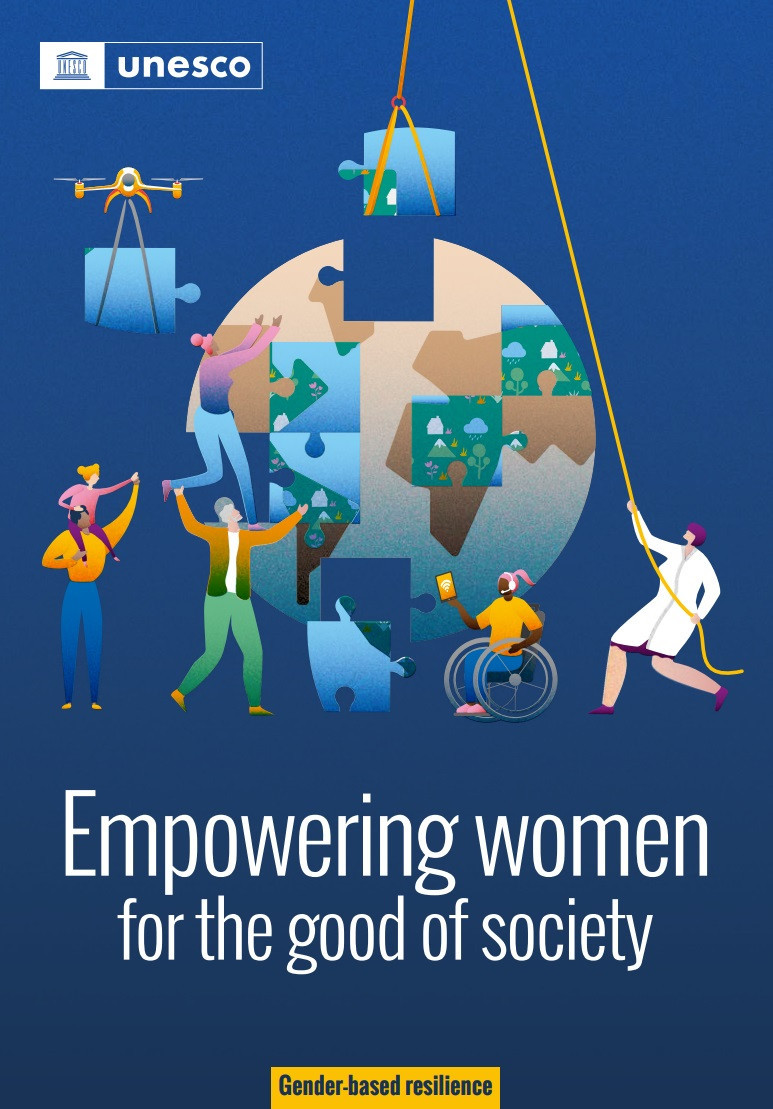 Empowering women for the good of society: gender-based resilience 발행 연도: 2023 저자: Squicciarini, Mariagrazia | Sarlat, Garance | Manca, Anna Rita 단체 저자: UNESCO <Short Summary> Let’s change the resilience paradigmWhat are the root causes and drivers of resilience? Societal resilience is shaped by the unique roles that individuals play and their ability to respond to shocks, gender-based expectations and discriminations hinder women’s and girls’ ability to participate in, and contribute to, society. In times of crises, their vulnerability intensifies resulting in a weakened response that ripples throughout society.In response, UNESCO designed the first Gender-Based Resilience Framework. As a compass for inclusive policymaking, this report analyzes how differences in opportunities, needs and constraints impact resilience and proposes a measurement Framework based on: (1) fundamental human rights; (2) socioeconomic characteristics, such as health, education, work, political engagement, and climate justice; (3) contextual factors, such as values and perceptions.Moving beyond the standard approach of coping with and recovering from shocks; UNESCO calls for a gender-transformative resilience, which leverages the interrelations between individuals and institutions. Decision- and policy-makers, researchers, and gender equality advocates are invited to use and add to this Framework to effectively navigate through current and future crises.It is only by empowering all women and girls, and people of all genders, that we will be able to face the challenges ahead.
 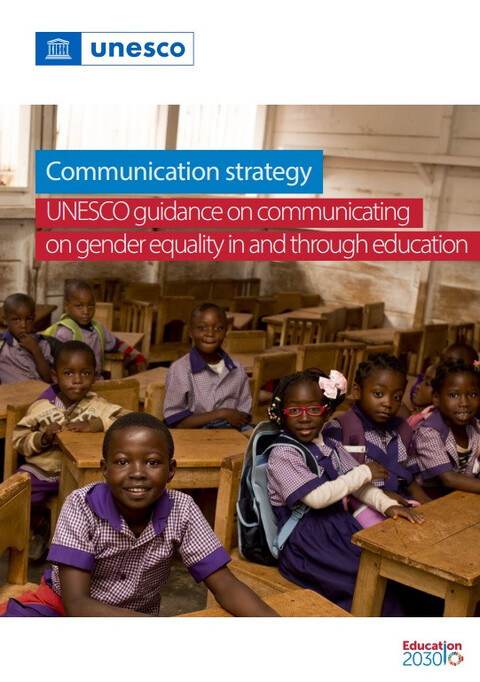 Communication Strategy: UNESCO Guidance on Communicating on Gender Equality in and through Education 발행 연도: 2022 단체 저자: UNESCO About 259 million children and youth are out of school according to the UNESCO Institute for Statistics, including 127 million girls and 132 million boys. Twothirds of the 750 million non-literate adults around the world are women. This gender disparity remains one of the persistent challenges in adult literacy and education. The COVID-19 pandemic has exacerbated existing challenges, disrupting the education of over 1.5 billion learners. UNESCO estimates that close to 24 million children and youth, including over 11 million girls and 13 million boys, may drop out of school due to the pandemic’s economic impact. A window of opportunity is now more than ever open to build back equal. This communication strategy is designed to provide strategic guidance on communicating on gender equality in and through education. While prepared for UNESCO Education Sector staff, including those at Headquarters, in Field/Regional/Cluster Offices and in Institutes as well as for implementing partners, a broader audience of gender focal points, partners, Member States and others with an interest in and commitment to gender equality in and through education may also find this strategy particularly useful.
 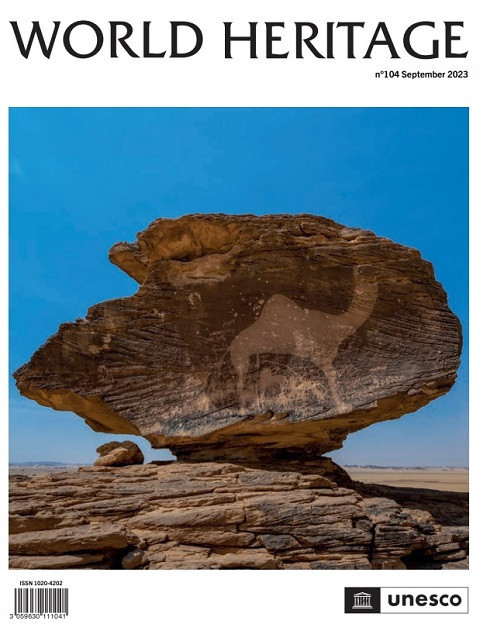 World Heritage, No.104 발행 연도: 2023 단체 저자: UNESCO As the extended 45th session of the World Heritage Committee begins in the Kingdom of Saudi Arabia, we express our gratitude to our hosts for convening the first in-person Committee since the onset of COVID-19. Surrounded by old friends and young professionals alike, we are reminded that this meeting is more than the sum of important decisions taken. It is a powerful platform where we rekindle the sense of ‘heritage community’ and renew our commitment to heritage. This issue of World Heritage magazine features African heritage leaders who are empowering peers and creating positive ripple effects from Egypt to Mozambique. A report on climate change details the critical benefits provided by World Heritage forests notably through carbon absorption, with one caveat – their capacity will continue to decline unless we act now. A compelling story comes from Havana, Cuba, where a major UNESCO programme Transcultura is blending tangible heritage, intangible practices and contemporary creativity, true to the way culture intersects in the local communities. Readers may notice the new design of this World Heritage magazine, which pays homage to the original iconic look. The first issue in 1996 put a spotlight on the accelerating international cooperation to conserve Angkor, bearing fruit in 2004 with the removal from the List of World Heritage in Danger. Just as the magazine has been a witness to history, it continues to champion the evolving principles of heritage safeguarding. This is why this revamped magazine will centrally feature stories of custodians, innovators and trailblazers, in line with the 'fifth C' (Communities) of the Strategic Objectives. The words by the 80-year-old Havana resident Noemí Moreno should echo with many of us: 'In the end, we are nothing more than a bird that comes and flies away. History is what remains'. And so we get to work together, pooling experience gained over the past five decades of the 1972 Convention and the ancestral knowledge passed down over centuries, to preserve the remnants of history as best as we can.
 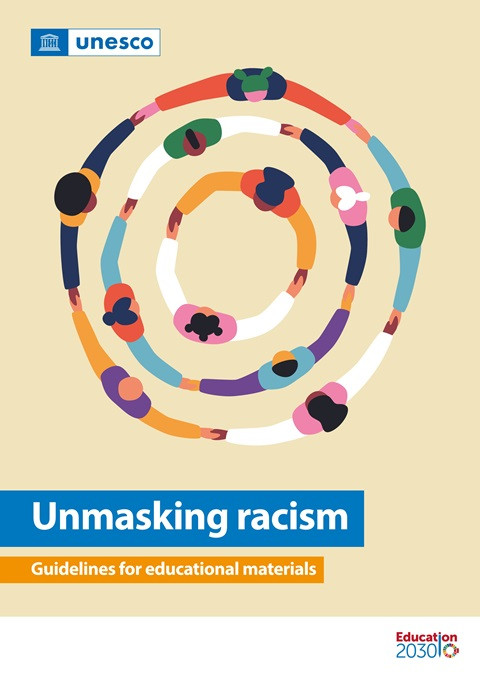 Unmasking Racism: Guidelines for Educational Materials 발행 연도: 2024 단체 저자: UNESCO These Guidelines developed by UNESCO provide recommendations on how to combat racism in textbooks and to develop learning materials that are free of prejudice and bias and do not perpetuate stereotypes or legitimize unequal social structures. Through a comprehensive analysis of recent studies of textbooks and other educational materials, the guide also demonstrates how countries around the world address racism and racialization. It increases awareness and improves our understanding of how racism manifests in educational materials, and aims to support education stakeholders to promote just, peaceful and multicultural societies.