
자료
세계시민교육에 대한 이해를 넓히고 연구, 옹호 활동, 교수, 학습 등을 향상시킬 수 있는 다양하고 유용한 자료를 찾아보세요.
795 건의 결과가 검색되었습니다
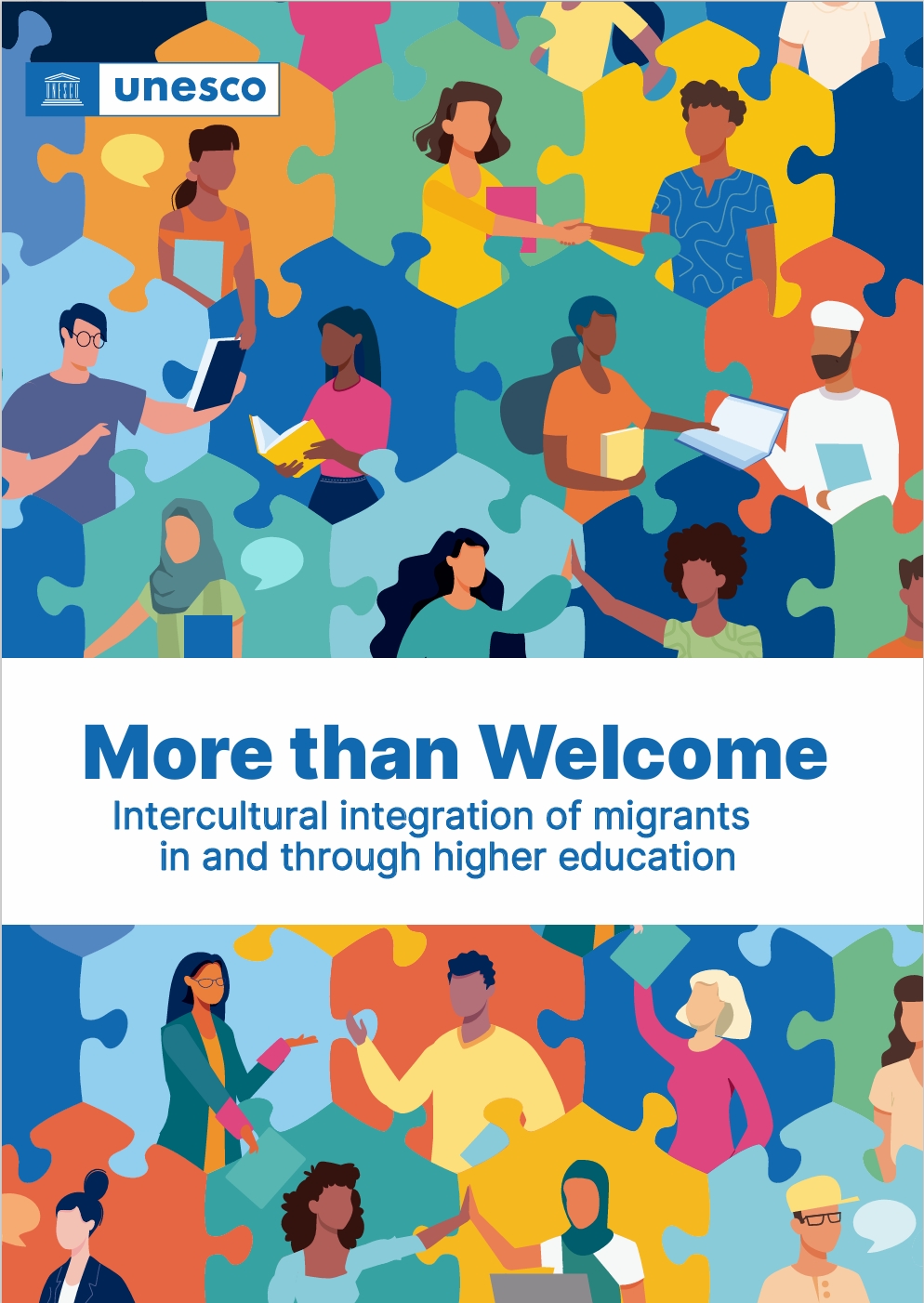 More than Welcome: Intercultural Integration of Migrants in and Through Higher Education 발행 연도: 2026 저자: Darla K. Deardorff | Raffaela Iuliano 단체 저자: UNESCO As global displacement reaches unprecedented levels—with 123.2 million people uprooted by conflict, environmental disasters, and economic instability (UNHCR, 2025)—there is an urgent need to rethink approach integration. Migration should be embraced as an opportunity for human and cultural development, social cohesion, and economic growth. To realise this, societies must transition from outdated integration models to a new paradigm of intercultural integration—a multidirectional process engaging all community members.More than Welcome offers a framework for intercultural integration, founded on five principles with intercultural competence at its core. It highlights the unique role of Higher Education Institutions (HEIs) in fostering mutual respect, understanding, and collaboration. By actively addressing xenophobia and cultural discrimination, HEIs can become catalytic spaces to help migrants reach their full potential in diverse societies.Through research and practical examples, the publication provides actionable strategies for policy-makers to create a higher education sector that not only educates but also cultivates active, intercultural citizens. By embracing this framework, we can build more inclusive societies and unlock the full potential of migration for the benefit of all.
 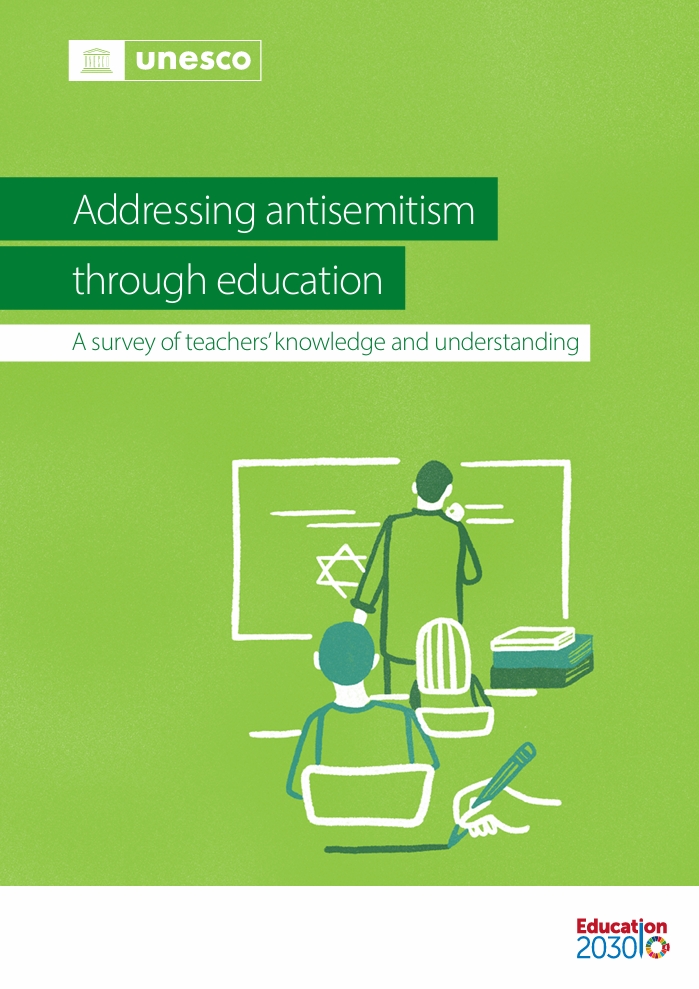 Addressing Antisemitism Through Education: A Survey of Teachers’ Knowledge and Understanding 발행 연도: 2026 단체 저자: UNESCO | OSCE. Office for Democratic Institutions and Human Rights (ODIHR) As antisemitism continues to pose an increasing threat to the security of Jewish communities and individuals worldwide, education systems have a moral imperative to address it in all its forms. Teachers are the first line of defence to prevent the spread of hatred. Listening to their experiences and understanding their needs is a first step towards equipping them with the right tools to combat this phenomenon.This unprecedented study is the first European survey of teachers on the topic of antisemitism. It includes data surveyed from 2,030 educators across the European Union, to examine their knowledge and understanding of antisemitism and explore their preparedness to address it in the classroom. Highlighting the prevalence of antisemitism in school environments, the survey outlines key areas where educational systems can support teachers, including: understanding the challenges they face, enhancing high-quality training opportunities, and developing clear policies and guidance on how to respond to antisemitic incidents.Above all, the survey provides insights into the potential for research-informed, high quality professional development courses to meaningfully support teachers in recognising and combatting antisemitism.
 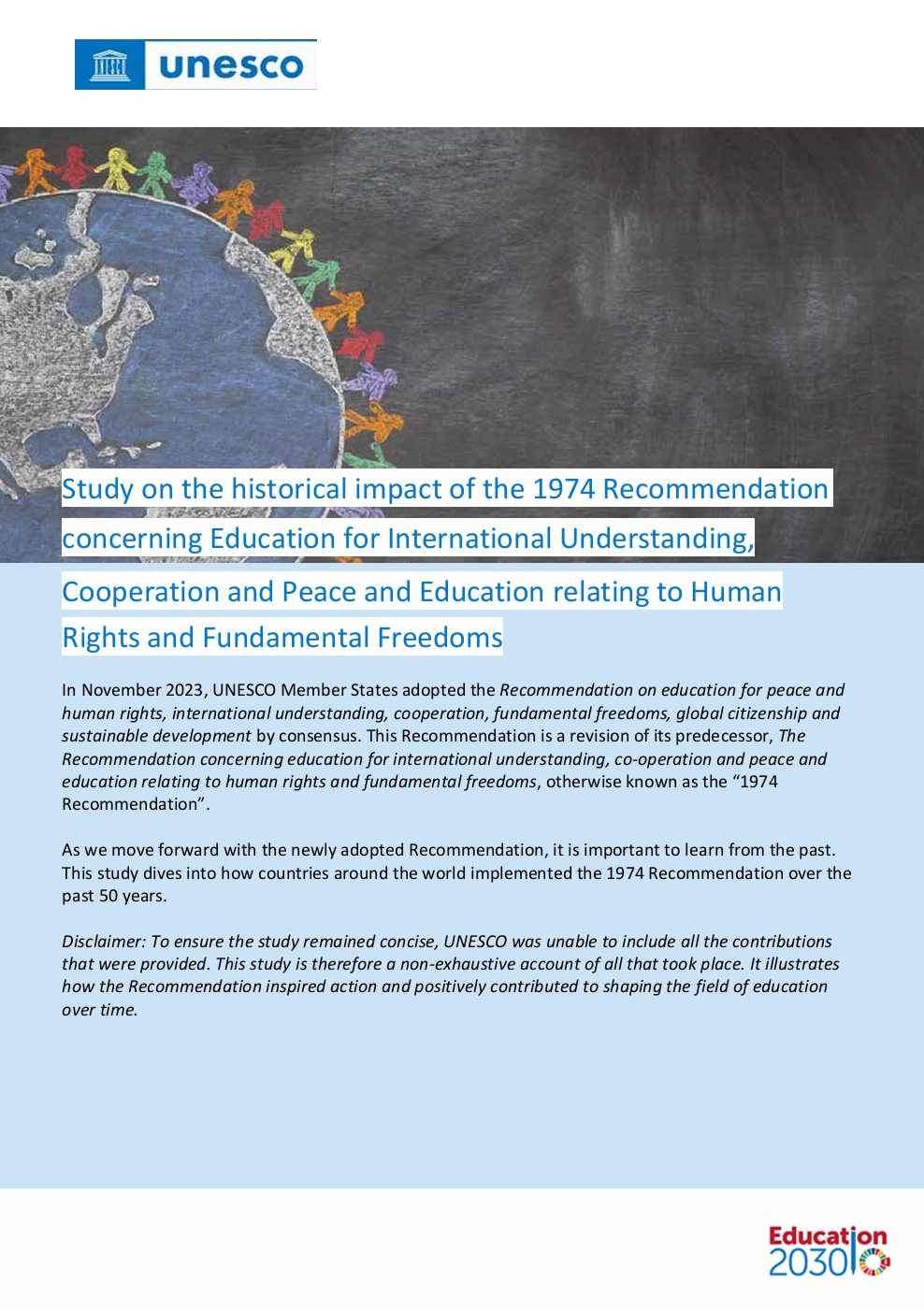 Study on the Historical Impact of the 1974 Recommendation concerning Education for International Understanding, Cooperation and Peace and Education relating to Human Rights and Fundamental Freedoms 발행 연도: 2026 저자: Julia Bührle 단체 저자: UNESCO The adoption of the Recommendation concerning Education for International Understanding, Co-operation and Peace and Education relating to Human Rights and Fundamental Freedoms(hereafter: the 1974 Recommendation) triggered numerous initiatives and transformations at the national and international level. At the global and regional levels, UNESCO, relevant organizations, and Member States organized several regional seminars and major conferences to discuss and monitor the implementation of the 1974 Recommendation.This study focuses on transformations that have happened in Member States since the adoption of the 1974 Recommendation. It follows the developments and innovations that were directly inspired by the 1974 Recommendation or to which it notably contributed.
 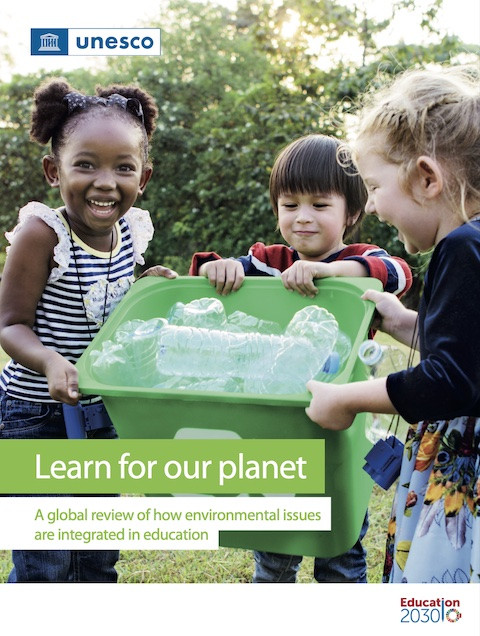 Learn For Our Planet: A Global Review Of How Environmental Issues Are Integrated In Education 발행 연도: 2021 단체 저자: UNESCO 2020 was the equal hottest year on record. One million species are at risk of extinction. We use more resources than the planet can generate each year - if we continue to live the way we do today, we will need three earths by 2050. The way we currently live is not sustainable. Urgent change is needed, but lasting change is impossible without education.This publication presents the extent to which environmental issues are integrated in primary and secondary education policies and curricula across 46 UNESCO Member States. Over half of education policies and curricula studied made no mention of climate change. Only 19 per cent made reference to biodiversity. Countries have made progress: 83 per cent of education policies and curricula studied addressed the environment at least once, and 69 per cent mentioned sustainability - but it is clear that more needs to be done to prepare learners with the knowledge, skills, values and attitudes to act for our planet. Governments, education policy-makers, academics, and education and environmental stakeholders need to further commit to Education for Sustainable Development.
  Education Kit on Combating Desertification: Learning to Combat Desertification; A Teacher’s Guide 발행 연도: 2003 단체 저자: UNESCO The educational guide contained in this kit is addressed to teachers around the world living in areas affected by or under threat from desertification. For this reason, the guide should be seen as a general presentation to be adapted to the specific realities and preoccupations of each region or country. The guide begins with the different problems of desertification, which the teachers could integrate into lessons (fauna, flora, crop varieties or rearing, methods of land exploitation, socio-economic problems etc.). It presents the major objectives of the Convention and proposes several solutions to combat desertification.