
자료
세계시민교육에 대한 이해를 넓히고 연구, 옹호 활동, 교수, 학습 등을 향상시킬 수 있는 다양하고 유용한 자료를 찾아보세요.
4 건의 결과가 검색되었습니다
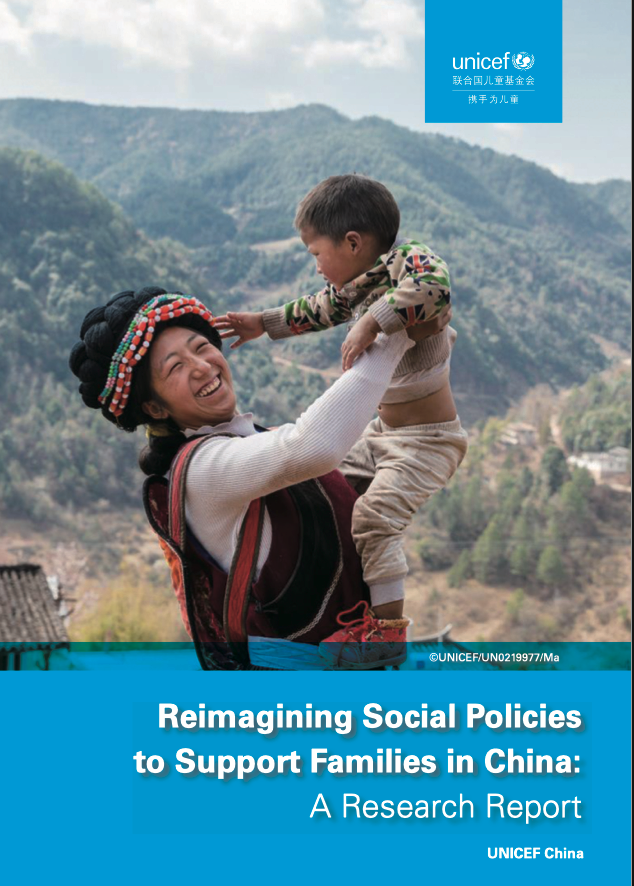 Reimagining Social Policies to Support Families in China: A Research Report 발행 연도: 2023 단체 저자: 联合国儿童基金会驻华办事处 There have been significant changes in the population and society in China over recent decades. The birth rate has declined, and the population has aged. The average family size shrank from 3.1 people in 2010 to 2.8 in 2022[i], and the one-child policy has been reversed. Urbanization, rural-urban migration and the growth of the informal sector have changed how people live and work. Gender inequality persists, with women frequently facing discrimination and barriers to employment. All these changes have implications for family policy – statutory policies and government-led programmes that aim to improve conditions for adult family members, particularly those caring for children up to the age of 18.A new report, ‘Reimaging Social Policies to Support Families in China’ by UNICEF synthesizes the context and challenges of family policies in China and reviews over 180 evaluations of family policies worldwide. The report highlights case studies of policies that could be adapted and incorporated into family policy in China, and it identifies implications for designing and implementing innovative policy. 探讨适合中国的家庭友好社会政策: 研究报告 발행 연도: 2023 단체 저자: 联合国儿童基金会驻华办事处 近几十年来,中国的人口规模和结构以及社会发生了重大变化:出生率下降,人口老龄化;平均家庭户规模由2010年的一户3.1人降至2022年的一户2.8人[i];独生子女政策于2015年被取消,“三孩政策”从2021年开始实施;城镇化、农村人口向城镇地区迁移和灵活就业人员的增加改变了人们的生活和工作方式;与此同时,性别不平等现象依然存在,女性经常面临就业歧视和阻碍。上述一系列变化都影响着家庭政策——旨在支持父母等家庭成员养育儿童(18岁以下)、改善养育条件的相关法定政策及政府主导的项目。 联合国儿童基金会发布的新报告——《探讨适合中国的家庭友好社会政策》总结了中国家庭政策的背景概况和面临的挑战,并梳理了全球180多篇评估家庭政策有效性的研究。该报告重点介绍了可供中国参考借鉴的政策案例,并提出设计和实施创新政策的建议。
 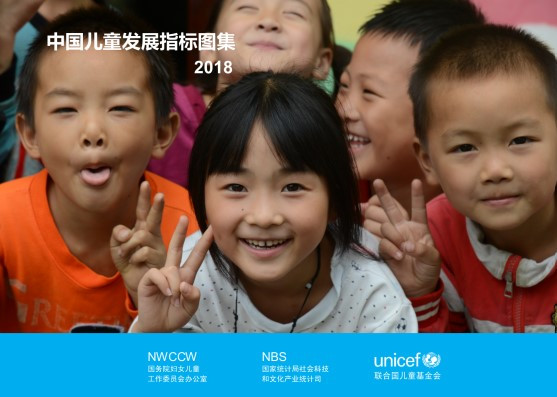 An Atlas of Social Indicators of Children in China 2018 발행 연도: 2018 단체 저자: United Nations Children's Fund (UNICEF) | National Working Committee on Children and Women (NWCCW) | National Bureau of Statistics (NBS). Department of Social, Science, Technology and Cultural Statistics By bringing together the latest authoritative, official data on the main indicators of child survival, development and protection and presenting them in a visual manner, the Atlas has faithfully reflected the achievements, as well as issues and challenges in realizing children’s rights in China. 中国儿童发展指标图集 2018 발행 연도: 2018 단체 저자: United Nations Children's Fund (UNICEF) | National Bureau of Statistics (NBS). Department of Social, Science, Technology and Cultural Statistics | National Working Committee on Children and Women (NWCCW) 本图集汇集了有关中国儿童生存、发展、保护状况的主要指标和最新权威数据信息,以可视化图表的形式,集中展现了中国儿童发展取得的成就,客观反映了中国实现儿童权利所面临的问题和挑战。