
자료
세계시민교육에 대한 이해를 넓히고 연구, 옹호 활동, 교수, 학습 등을 향상시킬 수 있는 다양하고 유용한 자료를 찾아보세요.
6 건의 결과가 검색되었습니다
 2021 아동·청소년 권리에 관한 국제협약 이행 연구 - 한국 아동·청소년 인권실태: 총괄보고서 발행 연도: 2021 저자: 김영지 | 유설희 | 최홍일 | 이민희 | 김진호 단체 저자: 한국청소년정책연구원 이 연구는 유엔아동권리협약이행 모니터링과 아동·청소년 인권실태 분석을 통해 아동·청소년의 인권 현황을 파악하고 인권정책 개발 시사점을 도출하기 위한 제3기 아동·청소년 인권 연구의 5차년도 과제이다. 이 연구는 아동·청소년 인권실태를 파악하고 진전 상황을 지속적으로 모니터링할 수 있도록 체계적인 데이터 수집체계를 마련하라는 유엔아동권리위원회의 권고에 따라 시작되어 2017년 제3기 연구부터 아동권리협약이행 모니터링을 강화하여 추진하고 있다. 국가승인통계인 ‘아동·청소년 인권실태조사’는 초등학교 4학년부터 고등학교 3학년을 대상으로 매년 실시하여, 아동권리협약에 기반한 ‘아동·청소년 인권지표체계’ 115개 지표 항목 중 42개 지표 항목의 결과를 생산하는 데 활용된다. 조사결과는 아동·청소년의 인권실태와 인권상황 진전 정도를 파악할 수 있도록 시계열 자료로 축적되고 있으며 국가통계포털(KOSIS)과 마이크로데이터 통합서비스(MDIS)에 원자료와 통계표를 탑재하고 있다. 유엔아동권리협약이행 모니터링을 위해서는 전문가협의회, 워크숍, 의견조사 등을 실시하여 제5?6차 아동권리협약 권고사항 이행 성과와 한계를 점검하고 향후 과제를 도출하였다. 최종적으로 유엔아동권리협약이행 모니터링과 인권실태 분석 등을 통해 17개의 주요 정책과제를 제안하였다. 최종 산출물은 총괄보고서, 심화분석보고서, 기초분석보고서 등 총 3종이며, 인권데이터의 이론적 활용도 제고를 위한 소논문인 심화분석보고서의 2021년도 주제는 ‘인권인식과 학교문화’이다.
 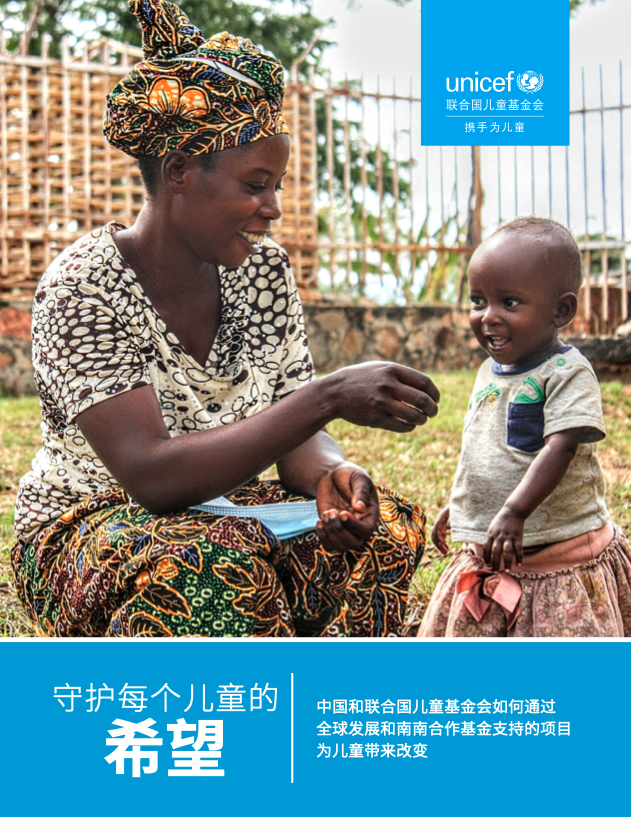 守护每个儿童的希望 발행 연도: 2023 저자: 联合国儿童基金会驻华办事处 联合国儿童基金会和中国政府在中国建立了长期合作伙伴关系,在其他伙伴国家也已开始合作,携手促进世界各地儿童权利保护工作。双方不仅在中国通过连续实施九个国别方案开展合作,自2018年以来,双方还通过南南合作,共同援助中低收入国家最弱势的儿童群体。本案例研究汇编详细介绍了通过全球发展和南南合作基金资助的17个项目,联合国儿童基金会和15个非洲国家的政府如何为儿童的生活带来改变,凸显了中国与联合国儿童基金会在儿童事业方面取得的合作成果。我们希望通过分享相关案例促进学习交流,为合作伙伴和其他相关人士提供参考借鉴,从而为每个孩子的生存和赋权点亮新的希望。
  Developing Global Guidance for Child Rights Impact Assessments in Relation to the Digital Environment: Summary of Initial Project Findings 발행 연도: 2024 단체 저자: United Nations Development Programme (UNDP) | German Institute of Development and Sustainability (IDOS) The age of technology and the Internet have brought tremendous benefits, including for children. However, the spread of digital technologies also comes with a broad spectrum of risks and harms to which children can be particularly vulnerable. Under the UN Guiding Principles on Business and Human Rights and the Children’s Rights and Business Principles, businesses have a responsibility to identify, assess, and address relevant human rights risks, including risks to children’s rights. With respect to the digital environment, a rapidly evolving landscape and the emergence of new technologies has changed the nature and severity of actual and potential child rights risks relating to business activities. In response, UNICEF has initiated a project to assess the current child rights impact assessment (CRIA) landscape in relation to digital business activities and develop new guidance to support robust implementation going forward. A summary of initial project findings is now available here. Further project outputs including the updated guidance (currently under development) are anticipated in late 2024.
 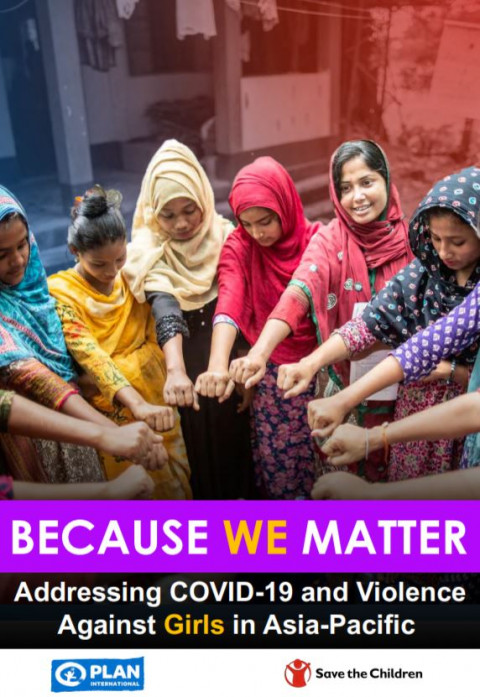 Because We Matter: Addressing COVID-19 and Violence Against Girls in Asia-Pacific 발행 연도: 2020 단체 저자: Save the Children | Plan International This thematic policy brief aims to seek and secure commitment from regional and national leaders to urgently prioritize and invest consistently in the protection of girls, who are disproportionately exposed to multitude forms of violence and their devastating consequences. It provides evidence and raises concerns of girls’ vulnerability to combined and complex risks that are further intensified by the COVID-19 pandemic.This brief is primarily intended for regional policy-makers and duty-bearers responsible for regulating, planning and resourcing protection of There is no definition of what it means to be a girl. It offers a set of recommendations to guide policy and investments across the Asia Pacific region to ensure gender-responsive, effective and well-resourced measures to protect all children, and particularly girls.
  Global Kids Online: Comparative Report 발행 연도: 2019 저자: Sonia Livingstone | Daniel Kardefelt-Winther | Marium Saeed 단체 저자: UNICEF Innocenti The internet is often celebrated for its ability to aid children’s development. But it is simultaneously criticized for reducing children’s quality of life and exposing them to unknown and unprecedented dangers. There is considerable debate about when or how children’s rights – including the rights to expression, to privacy, to information, to play and to protection from harm, as set out in the United Nations Convention on the Rights of the Child – may be realized or infringed in the digital age.With more children around the world going online every day, it is more important than ever to clarify how the internet can advance children’s opportunities in life while safeguarding them from harm or abuse. This requires evidence, from children themselves, that represents the diversity of children’s experiences at the national and global levels. By talking to children, we are better able to understand not only the barriers they face in accessing the internet, but also the opportunities they enjoy and the skills and competences they acquire by engaging in these activities.This allows us to enquire about children’s exposure to online risks and possible harms, and about the role of their parents as mediators and sources of support. In bringing children’s own voices and experiences to the centre of policy development, legislative reform and programme and service delivery, we hope the decisions made in these spheres will serve children’s best interests.
 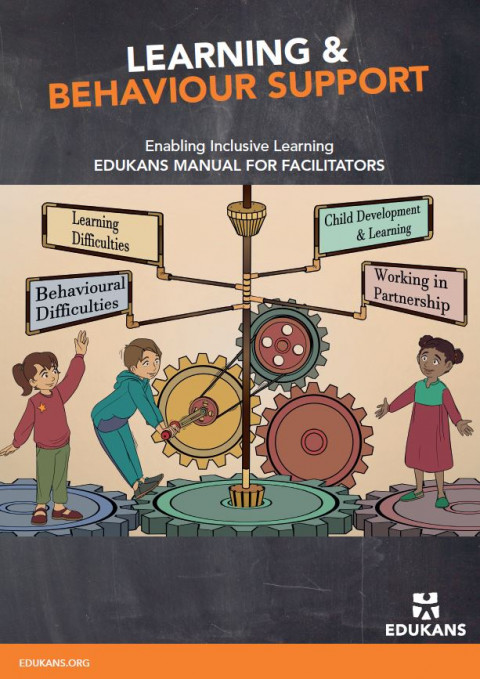 Learning & Behaviour Support: Enabling Inclusive Learning; Edukans Manual for Facilitators 발행 연도: 2021 저자: Hendrien Maat | Judith Pietersma | Aniek Santema 단체 저자: Edukans This Edukans training manual is intended as a guide to train people in how to respond to the needs of students with learning and behavioural problems, such as dyslexia, dyscalculia, lack of motivation, aggression and anxiety. Troubled behaviour is often a child's way of communicationg distress and, in these cases, the right kind of response can make all the difference. Behavioural and learning difficulites are well-recognized problems all over the world, and inclusive learning is on top of the educational agenda. When a person has more knowledge about learning & behavioural difficulties, he or she can understand the situation that the child is facing and offer suitable suport. This manual aims to help programme managers and trainers to give training to their staff in: understanding the diverse needs of vulnerable students, the origins of learning and behavioural problems, their implications, and a variety of effective support strategies and interventions. The manual is meant to be used by master trainers who can further train teachers, social workers, NGO staff, mentors, relief workers, government officials, mental health workers, and counselors.