
자료
세계시민교육에 대한 이해를 넓히고 연구, 옹호 활동, 교수, 학습 등을 향상시킬 수 있는 다양하고 유용한 자료를 찾아보세요.
96 건의 결과가 검색되었습니다
 한국의 SDGs 이행보고서 2021 발행 연도: 2021 저자: 박영실 | 홍현정 | 진유강 | 윤민희 | 이은경 단체 저자: 통계개발원 2030년 기한의 유엔 지속가능발전목표(SDGs) 이행 상황을 점검하는『한국의 SDGs 이행보고서 2021』을 발간. 동 보고서는 유엔 SDGs 지표를 근거로 성평등, 산업재해, 기후변화 등에 관한 한국의 지속가능발전 현황을 국제 비교 분석하였고, 이행과정에서 어떤 집단이 뒤처져 있는지도 보여준다. 특히, 이번 보고서에서는 코로나19의 영향을 볼 수 있는 SDGs 지표를 중심으로 분석하였다. 이를 통해, 회복을 위한 사회·환경·경제 정책의 방향성을 가늠해 볼 수 있을 것으로 기대된다. 본 저작물은 통계청 통계개발원에서 2021년작성하여 공공누리 제3유형으로 개방한 '한국의 SDGs 이행보고서 2021(작성자:박영실)'을 이용하였으며, 해당 저작물은 통계청 통계개발원 홈페이지(https://kostat.go.kr/)에서 무료로 내려받으실 수 있습니다.
  한국의 SDGs 이행보고서 2022 발행 연도: 2022 저자: 박영실 | 진유강 | 윤민희 | 김소연 단체 저자: 통계개발원 『한국의 SDGs 이행보고서 2022』는 데이터와 통계를 근거로 한국의 지송가능발전 현황을 진단하였고 고품질의 국제 비교 가능 자료와 증거 기반 분석에 기초해 이해하기 쉽게 시각화했습니다. 본 보고서가 전 세계가 목표한 SDGs 달성에 한 걸음 더 다가갈 수 있는 나침반 역할을 하기 바라며 증거 기반 정책의 핵심 지표로 이용되기를 기대합니다. 본 저작물은 통계청 통계개발원에서 2022년작성하여 공공누리 제3유형으로 개방한 '한국의 SDGs 이행보고서 2022(작성자:김석호)'을 이용하였으며, 해당 저작물은 통계청 통계개발원 홈페이지(https://kostat.go.kr/)에서 무료로 내려받으실 수 있습니다.
  SDG Talk: Mr. Martin Nesirky 발행 연도: 2021 저자: Martin Nesirky 단체 저자: Sloga Platforma | Bridge 47 SDG Talk with Martin Nesirky, director of UN Information Service Vienna about Sustainable Development Goals, implication od COVID-19 pandemic on education, Global Citizenship Education and more.SDG Talks was prepared in cooperation with the UN Association for Slovenia, as part of the Bridge 47 - Building Global Citizenship project. The project is funded by the European Commission and the Ministry of Foreign Affairs of the Republic of Slovenia, and is implemented by the SLOGA Platform.Content does not reflect positions of the EU or Slovene MFA.
  지속가능발전교육 지도자료: 초등학교 3~6학년 교사용 안내서 발행 연도: 2020 단체 저자: 서울특별시교육청 교육혁신과 기후위기시대, 생태환경에 대한 인식을 제고하고 감수성을 기르기 위한 《2020 지속가능발전교육 초등학교 교사용 지도자료》로 교과, 동아리, 자유학기 활동 등 학교 생태전환교육에 활용가능하다. 또한 각 단원별로 지속가능발전목표 17개를 적용할 수 있는 내용으로 구성하였다.
 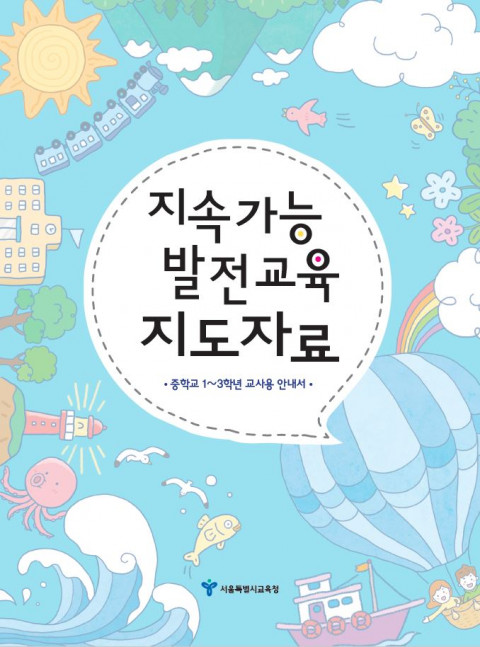 지속가능발전교육 지도자료: 중학교 1~3학년 교사용 안내서 발행 연도: 2020 단체 저자: 서울특별시교육청 교육혁신과 기후위기시대, 생태환경에 대한 인식을 제고하고 감수성을 기르기 위한 《2020 지속가능발전교육 중학교 교사용 지도자료》로 교과, 동아리, 자유학기 활동 등 학교 생태전환교육에 활용가능하다. 또한 각 단원별로 지속가능발전목표 17개를 적용할 수 있는 내용으로 구성하였다.
 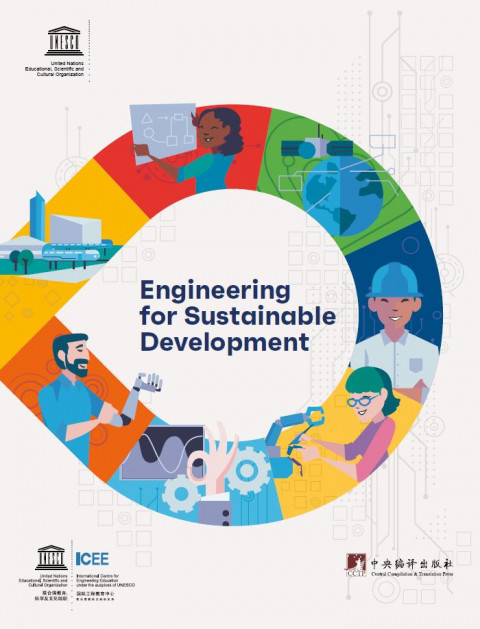 Engineering for Sustainable Development: Delivering on the Sustainable Development Goals 발행 연도: 2021 단체 저자: UNESCO | International Centre for Engineering Education (ICEE) The report highlights the crucial role of engineering in achieving each of the 17 SDGs. It shows how equal opportunities for all is key to ensuring an inclusive and gender balanced profession that can better respond to the shortage of engineers for implementing the SDGs. It provides a snapshot of the engineering innovations that are shaping our world, especially emerging technologies such as big data and AI, which are crucial for addressing the pressing challenges facing humankind and the planet. It analyses the transformation of engineering education and capacity-building at the dawn of the Fourth Industrial Revolution that will enable engineers to tackle the challenges ahead. It highlights the global effort needed to address the specific regional disparities, while summarizing the trends of engineering across the different regions of the world.By presenting case studies and approaches, as well as possible solutions, the report reveals why engineering is crucial for sustainable development and why the role of engineers is vital in addressing basic human needs such as alleviating poverty, supplying clean water and energy, responding to natural disasters, constructing resilient infrastructure, and bridging the development divide, among many other actions, leaving no one behind.It is hoped that the report will serve as a reference for governments, engineering organizations, academia and educational institutions, and industry to forge global partnerships and catalyse collaboration in engineering so as to deliver on the SDGs. 工程—支持可持续发展 발행 연도: 2021 단체 저자: UNESCO | International Centre for Engineering Education (ICEE) 报告强调了工程在实现17项可持续发展目标中的关键作用。它表明,人人机会均等是确保一个包容性和性别均衡的职业的关键,能够更好地应对实施可持续发展目标的工程师短缺的问题。它提供了塑造我们世界的工程创新的快照,特别是大数据和人工智能等新兴技术,这些技术对于解决人类和地球面临的紧迫挑战至关重要。它分析了第四次工业革命初期工程教育和能力建设的转变,这将使工程师能够应对未来的挑战。它强调了解决具体地区差异所需的全球努力,同时总结了世界不同地区的工程趋势。通过介绍案例研究和方法以及可能的解决办法,报告揭示了为什么工程对可持续发展至关重要,以及为什么工程师的作用对解决人类的基本需求至关重要,例如减轻贫困、提供清洁水和能源、应对自然灾害,在许多其他行动中,建设有弹性的基础设施和弥合发展鸿沟,不让任何人掉队。希望该报告能为各国政府、工程组织、学术界和教育机构以及工业界建立全球伙伴关系和促进工程领域的合作提供参考,以实现可持续发展目标。
  Synergy Solutions for a World in Crisis: Tackling Climate and SDG Action Together 발행 연도: 2023 단체 저자: UNFCCC | UN. Department of Economic and Social Affairs (UN. DESA) In May 2023 UNDESA and UNFCCC Secretariat co-convened the Expert Group on Climate and SDG Synergy. The Group consists of 14 renowned experts from diverse thematic and geographic backgrounds who were given the task of developing the First Global Report on Climate and SDG Synergies. This report demonstrates that aggressively acting on climate and development in an integrated and synergistic way is an important opportunity to achieve the course correction the UN Secretary- General has called for. It highlights some of the challenges but also the opportunities if the international community is seriously committed to enhancing these synergies and thereby addressing these challenges. The report is designed to provide a broad overview of available data and evidence, insights from experts on the frontlines, and recommendations for enhancing synergistic action across the 2030 Agenda and the SDGs. This first edition will form the basis for future iterations, which will entail a wider scope of sectors, and thematic areas and deep dives on specific issues pertaining to strengthening and operationalizing synergic climate and SDG actions at all levels.
  Third Global Conference on Strengthening Synergies Between the Paris Agreement and the 2030 Agenda for Sustainable Development: Building the Evidence Base for Synergistic Action in Support of Raising Climate and SDGs Ambition 발행 연도: 2022 단체 저자: UN. Department of Economic and Social Affairs (UN. DESA) The Third Global Conference on Strengthening Synergies Between the Paris Agreement and the 2030 Agenda For Sustainable Development was co-convened by the United Nations Department of Economic and Social Affairs (UNDESA) and the Secretariat of the United Nations Framework Convention on Climate Change (UNFCCC), and it was hosted by the Ministry of the Environment of Japan, in partnership with the United Nations University (UNU) and the Institute for Global Environmental Strategies (IGES).
  ESCWA Water Development Report 8: The Water-related Sustainable Development Goals in the Arab Region 발행 연도: 2019 단체 저자: UN. Economic and Social Commission for Western Asia (UN. ESCWA) Water-related SDGs have a central role in achieving the 2030 Agenda for Sustainable Development and its interlinked Sustainable Development Goals (SDGs) and targets. While the dedicated goal on water (SDG6) aims to ensure availability and the sustainable management of water and sanitation for all, pursing this goal supports the achievement many other goals. Regional monitoring and reporting of the water-related SDGs thus supports a better understanding of water across the sustainable development agenda and provides insights on the progress and challenges facing the Arab region as it aims to achieve the SDGs and associated national targets under conditions of water scarcity and increasing water stress. This eighth issue of the Water Development Report of the Economic and Social Commission for Western Asia (ESCWA) examines the water-related SDGs from the perspective of water security and scarcity in the Arab region. It identifies ways to assess and address present and projected water scarcity at the regional and national levels for various climate change scenarios. It reviews regional and national water strategies and action plans coherency with global water-related goals and targets. The study analyses how the water-related SDG targets and indicators can guide the development of policy measures to tackle water challenges in the Arab region. Proposed policy interventions include measures to conserve and protect water resources and generate additional nonconventional water resources. Selected policy options are quantified and analysed for two climate scenarios for the future period 2030-2050 in view of informing sustainable planning and appropriate decision support systems to optimize and rationalize water use. The report also provides insights on institutional mechanisms in place for monitoring and implementing water-related SDGs at various scales.