
자료
세계시민교육에 대한 이해를 넓히고 연구, 옹호 활동, 교수, 학습 등을 향상시킬 수 있는 다양하고 유용한 자료를 찾아보세요.
1,329 건의 결과가 검색되었습니다
 Recommandation révisée sur l’éducation pour la compréhension, la coopération et la paix internationales et l’éducation relative aux droits de l’homme et aux libertés fondamentales (« Recommandation de 1974 ») 발행 연도: 2022 단체 저자: UNESCO La révision de la Recommandation de 1974 offre à la communauté internationale l'occasion de renforcer l'instrument afin qu'il puisse soutenir la conception et la mise en œuvre de politiques et de programmes éducatifs efficaces, susceptibles de mettre le monde sur la voie d'une paix durable et du développement durable pour tous, conformément aux exigences de l'Agenda 2030 et à l'ensemble des normes juridiques internationales adoptées depuis 1974.
 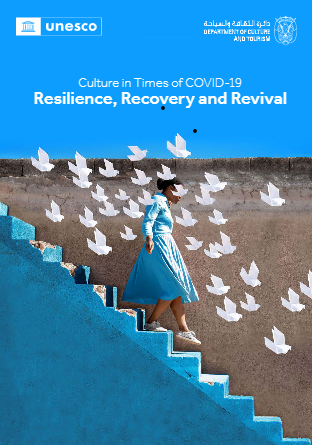 Culture in Times of COVID-19: Resilience, Recovery and Revival 발행 연도: 2022 단체 저자: UNESCO | United Arab Emirates. Department of Culture and Tourism Culture in Times of COVID-19: Resilience, Recovery and Revival offers key insights on trends and structural transformations that can boost the culture sector as a cornerstone of an economy built on sustainability and well-being.A set of strategic development considerations are put forward for governments and their partners, in both the public and private sectors, to promote the value of culture as a public good, encourage cross-sector collaboration and holistically address the essential needs of the sector, while supporting cultural professionals in adapting to a changing world and providing equal access and opportunities across the culturalvalue chain.
 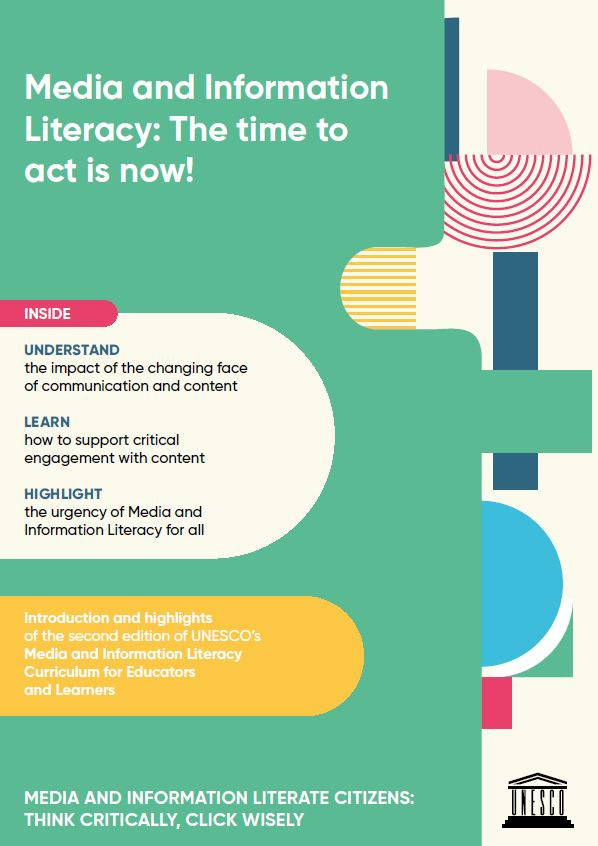 [Summary] Media and Information Literacy: The Time to Act is Now! 발행 연도: 2021 단체 저자: UNESCO UNESCO has developed a comprehensive Curriculum which provides a framework for training teachers. But it is also a foundation that will also be of help to others: to learners, to content providers like internet companies and news media outlets, and to citizens of all ages as they consume, create and use content, including information.The second edition of the learning resource has been significantly expanded since the first publication in 2011. The MIL Curriculum reflects the changing nature of the information landscape. It now includes insight from a broader range of content providers than before, including libraries, archives, museums, media, and digital communications companies.The Curriculum is designed to empower educators and learners in general – from schoolteachers to those involved in training, the media and libraries, governments, and NGOs – to train people to spot misrepresentations and disinformation, and most importantly develop critical thinking competencies.
 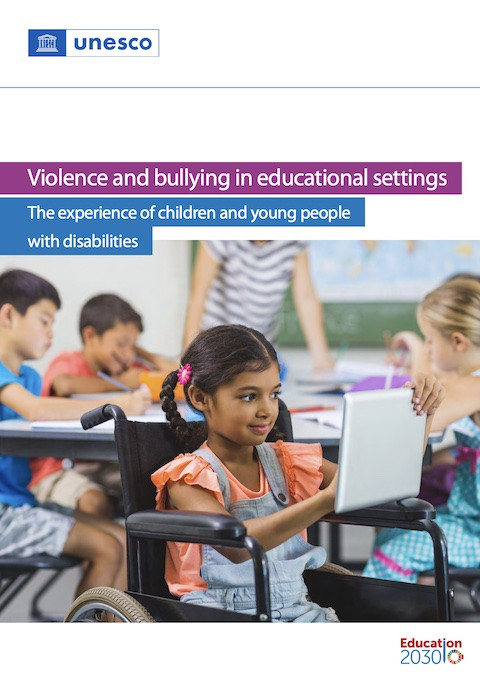 Violence and Bullying in Educational Settings: The Experience of Children and Young People With Disabilities 발행 연도: 2021 단체 저자: UNESCO Learners with disabilities are disproportionately affected by school violence and bullying at all ages and in all learning settings. This has significant adverse impacts on their education, health and well-being. This document aims to raise awareness of the problem and encourage action to ensure that children and young people with disabilities have access to a safe learning environment.
  2021 아동·청소년 권리에 관한 국제협약 이행 연구 - 한국 아동·청소년 인권실태: 총괄보고서 발행 연도: 2021 저자: 김영지 | 유설희 | 최홍일 | 이민희 | 김진호 단체 저자: 한국청소년정책연구원 이 연구는 유엔아동권리협약이행 모니터링과 아동·청소년 인권실태 분석을 통해 아동·청소년의 인권 현황을 파악하고 인권정책 개발 시사점을 도출하기 위한 제3기 아동·청소년 인권 연구의 5차년도 과제이다. 이 연구는 아동·청소년 인권실태를 파악하고 진전 상황을 지속적으로 모니터링할 수 있도록 체계적인 데이터 수집체계를 마련하라는 유엔아동권리위원회의 권고에 따라 시작되어 2017년 제3기 연구부터 아동권리협약이행 모니터링을 강화하여 추진하고 있다. 국가승인통계인 ‘아동·청소년 인권실태조사’는 초등학교 4학년부터 고등학교 3학년을 대상으로 매년 실시하여, 아동권리협약에 기반한 ‘아동·청소년 인권지표체계’ 115개 지표 항목 중 42개 지표 항목의 결과를 생산하는 데 활용된다. 조사결과는 아동·청소년의 인권실태와 인권상황 진전 정도를 파악할 수 있도록 시계열 자료로 축적되고 있으며 국가통계포털(KOSIS)과 마이크로데이터 통합서비스(MDIS)에 원자료와 통계표를 탑재하고 있다. 유엔아동권리협약이행 모니터링을 위해서는 전문가협의회, 워크숍, 의견조사 등을 실시하여 제5?6차 아동권리협약 권고사항 이행 성과와 한계를 점검하고 향후 과제를 도출하였다. 최종적으로 유엔아동권리협약이행 모니터링과 인권실태 분석 등을 통해 17개의 주요 정책과제를 제안하였다. 최종 산출물은 총괄보고서, 심화분석보고서, 기초분석보고서 등 총 3종이며, 인권데이터의 이론적 활용도 제고를 위한 소논문인 심화분석보고서의 2021년도 주제는 ‘인권인식과 학교문화’이다.
 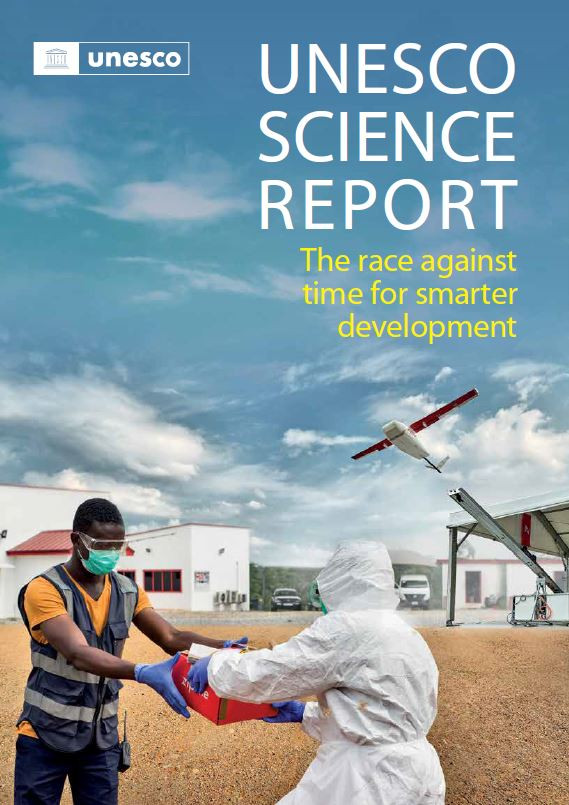 UNESCO Science Report: The Race Against Time for Smarter Development 발행 연도: 2021 저자: Susan Schneegans | Tiffany Straza | Jake Lewis 단체 저자: UNESCO This seventh edition of the report monitors the development path that countries have been following over the past five years from the perspective of science governance. It documents the rapid societal transformation under way, which offers new opportunities for social and economic experimentation but also risks exacerbating social inequalities, unless safeguards are put in place.The report concludes that countries will need to invest more in research and innovation, if they are to succeed in their dual digital and green transition. More than 30 countries have already raised their research spending since 2014, in line with their commitment to the Sustainable Development Goals. Despite this progress, eight out of ten countries still devote less than 1% of GDP to research, perpetuating their dependence on foreign technologies.
  미디어 리터러시 교육의 융합적 접근 발행 연도: 2020 저자: 진민정 | 김반야 | 박유신 | 최숙 단체 저자: 한국언론진흥재단 본 연구서에는 미디어 리터러시 교육에서의 융합 논의를 기반으로 미디어 리터러시 교육의 패러다임 전환의 필요성을 더욱 공고히 하고, 국내와 해외의 구체적인 사례와 더불어 현재 학교 수업에서 사용 가능한 프로그램을 제시하며 이를 토대로 융합적 미디어 리터러시 교육의 유형과 나아가 융합적 교육의 실현 방안을 살펴보고자 한다.본 연구에서 말하는 융합적 접근이란 미디어 재현 테크놀로지가 호환되고 통합되면서 변화되는 협의적 의미의 융합이라기보다는 좀 더 총체적인 차원의 미디어 교육 패러다임의 변화를 강조하는 제안이다. 다시 말해, 시대적 한계로 인해 고착된 국내 미디어 교육 현장의 분절성을 극복하고 비판적 리터러시의 제고라는 공통의 목표를 위해 주제 간, 참여 주체들 간, 교육 내용 간, 방식 간의 교차, 공유, 협력으로 공동의 성과를 내는 것을 의미한다.
  2021 미디어·정보 리터러시 데이 자료집: 어린이·청소년이 말하는 MIL 발행 연도: 2021 단체 저자: 한국언론진흥재단 | 시청자미디어재단 | 주한미국대사관 | 유네스코한국위원회 | 한국교육학술정보원 본 자료집은 2021 미디어·정보 리터러시 데이 행사(2021. 10.19. 개최) 에서 발표한 어린이·청소년 관련 미디어 리터러시 연구 성과 및 발표 자료를 수록하였다.
 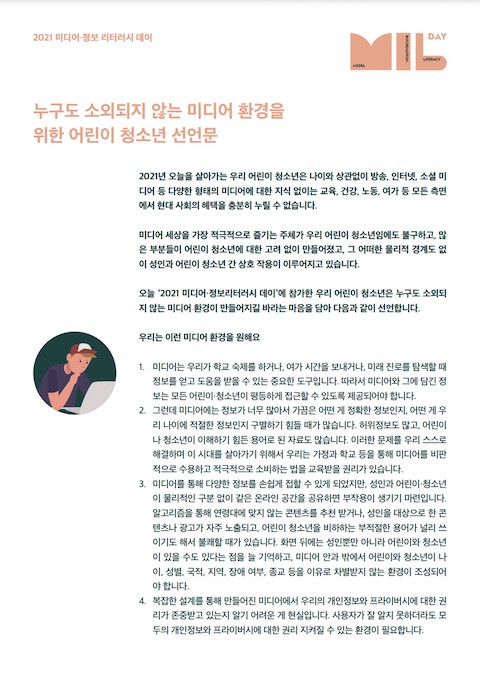 누구도 소외되지 않는 미디어 환경을 위한 어린이 청소년 선언문 발행 연도: 2021 단체 저자: 한국언론진흥재단 | 시청자미디어재단 | 주한미국대사관 | 유네스코한국위원회 | 한국교육학술정보원 2021 미디어·정보 리터러시 데이 행사(2021. 10.19. 개최)에서 발표된 선언문이다. 본 선언문은 누구나 쉽게 접근할 수 있고, 어린이와 청소년을 존중하고 배려하는 안전한 미디어 세상에 대한 바람을 담았다. 특히, 디지털 기기를 사용할 줄 아는 것과 그 안에 담긴 정보를 잘 선택해 이용하는 것은 매우 다른 능력임을 환기하고, 미디어 정보 리터러시 교육을 강화해줄 것을 주문했다. 선언문 초안 작업에는 초‧중‧고 학생 11명으로 구성된 어린이 청소년 위원회가 직접 참여했으며, 메타버스 플랫폼 게더타운을 통해 의견을 남겨준 전국 초중고등학생 600여명의 의견도 반영되었다.
  Harnessing the Era of Artificial Intelligence in Higher Education: A Primer for Higher Education Stakeholders 발행 연도: 2023 저자: Bosen Lily Liu | Diana Morales | Jaime Roser-Chinchilla | Emma Sabzalieva | Arianna Valentini | Daniele Vieira do Nascimento | Clarisa Yerovi 단체 저자: UNESCO | UNESCO International Institute for Higher Education in Latin America and the Caribbean (IESALC) The International Institute for Higher Education in Latin America and the Caribbean (UNESCO IESALC) is one of UNESCO’s key education-focused institutes and is the only institute in the United Nations with a specific mandate for higher education. Taking a holistic and integrated intersectoral and cross-sectoral approach to higher education, UNESCO IESALC provides support to Member States through policy-driven and action-oriented research and publications, capacity development, training, advocacy and networking. Following the release of a Quick Start Guide on using ChatGPT and Artificial Intelligence (AI) in higher education, UNESCO IESALC is pleased to offer to the wider community of higher education stakeholders worldwide this Primer on AI and higher education. Providing information and tips for developing further thinking and policies related to the use of AI processes and outcomes in higher education institutions, the Primer is a comprehensive and comprehensible introduction to AI. It also serves as a practical tool for guidance and reference with recommendations for its use in higher education.