
자료
세계시민교육에 대한 이해를 넓히고 연구, 옹호 활동, 교수, 학습 등을 향상시킬 수 있는 다양하고 유용한 자료를 찾아보세요.
1,329 건의 결과가 검색되었습니다
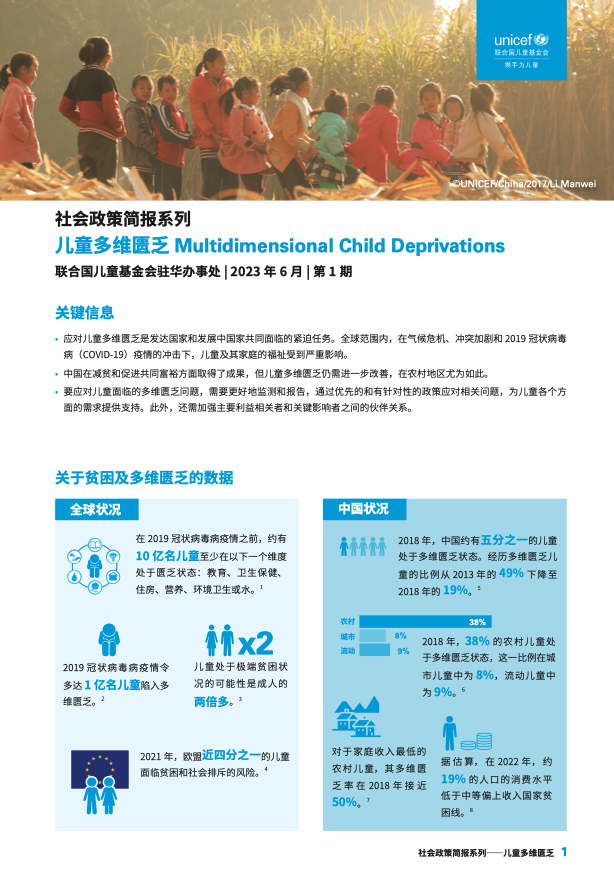 儿童多维匮乏 발행 연도: 2023 저자: 联合国儿童基金会驻华办事处 应对儿童多维匮乏是发达国家和发展中国家共同面临的紧迫任务。全球范围内,在气候危机、冲突加剧和2019冠状病毒病(COVID-19)疫情的冲击下,儿童及其家庭的福祉受到严重影响。中国在减贫和促进共同富裕方面取得了成果,但儿童多维匮乏仍需进一步改善,在农村地区尤为如此。要应对儿童面临的多维匮乏问题,需要更好地监测和报告,通过优先的和有针对性的政策应对相关问题,为儿童各个方面的需求提供支持。此外,还需加强主要利益相关者和关键影响者之间的伙伴关系。
 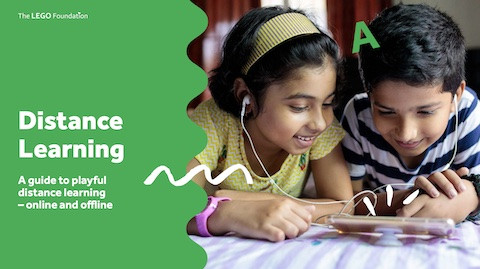 Distance Learning: A Guide to Playful Distance Learning – Online and Offline 발행 연도: 2020 단체 저자: LEGO Foundation The LEGO Foundation Distance Learning Guide offers ideas, evidence and links to useful resources and learning communities, to help you make children’s distance learning more playful, engaging, joyful and effective, whether children are learning online or offline. El aprendizaje a distancia: Una guía para el aprendizaje a distancia a través del juego, online y offline 발행 연도: 2020 단체 저자: LEGO Foundation La Guía para el aprendizaje a distancia de la Fundación LEGO ofrece ideas, evidencia y vínculos a recursos útiles y a comunidades de aprendizaje, para ayudarle a hacer el aprendizaje a distancia de los niños y las niñas más lúdico, involucrado, alegre y efectivo, ya sea que los niños y las niñas estén aprendiendo de manera online u offline.
 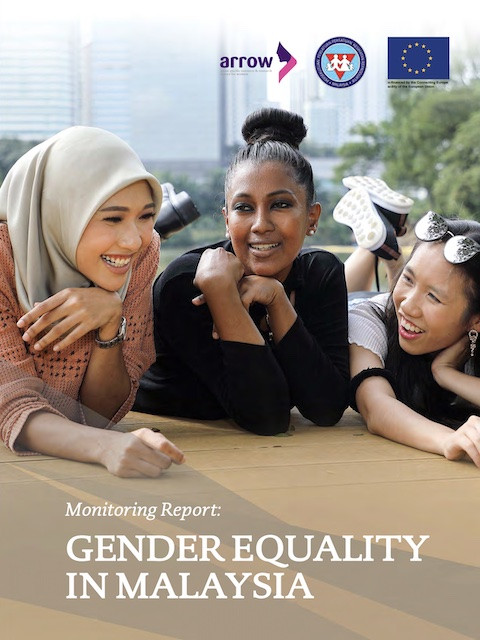 Monitoring Report: Gender Equality in Malaysia 발행 연도: 2020 저자: Tan Beng Hui 단체 저자: Asian-Pacific Resource & Research Centre for Women (ARROW) | Federation of Reproductive Health Associations, Malaysia (FRHAM) The Asian-Pacific Resource and Research Centre for Women (ARROW), together with the Federation of Reproductive Health Associations Malaysia (FRHAM) and Justice For Sisters (JFS) organised the Gender Equality Initiative, a project aimed to monitor and support the Malaysian government to implement their commitment towards the Convention on the Elimination of All Forms of Discrimination Against Women (CEDAW) and the Universal Periodic Review (UPR). This two-year project is funded by the European Union, dedicated to working with stakeholders, in particular governmental bodies, civil society organisations, media, women and young girls in Perak, Terengganu and at the national level.In the third UPR Cycle, Malaysia has received several recommendations on gender equality, sexual and reproductive health, access to comprehensive sexuality education and protection of women and girls from violence. Malaysia is urged to accede to relevant Optional Protocols and withdraw reservations to the Convention which hinder the rights of women and girls in Malaysia. As a result, FRHAM was commissioned to conduct a research on the Baseline Monitoring Report containing four thematic areas, namely, a) ending all forms of discrimination against women and girls; (b) eliminating violence against women and girls; (c) eliminating harmful practices against women and girls; and (d) ensuring universal access to SRHR.
 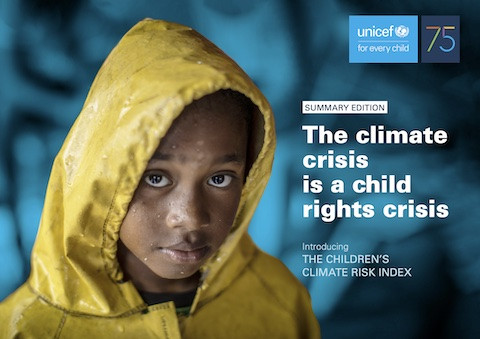 [الإصدار المختصر] أزمة المناخ أزمة في حقوق الأطفال: تبنـي مؤشـر مخاطر المنـاخ علـى الأطفال 발행 연도: 2021 저자: Nicholas Rees | Margaretha Barkhof | Jan Burdziej | Sophie Lee | Harriet Riley 단체 저자: United Nations Children's Fund (UNICEF) تعتبر أزمة المناخ أزمة في حقوق الأطفال. فموجات الحر وحرائق الغابات والفيضانات التي سجلت مستويات قياسية في الفترة الأخيرة في العديد من البلدان تنذر بنشوء "واقع جديد" صعب. آثار تغير المناخ واضحة. وكذلك حلوله. ومن غير المعقول أن يواجه أطفال وشباب اليوم مستقب ًلا غامضًا.ًفي جميع أنحاء العالم، يرفع الأطفال والشباب صوتهم عالياوبوضوح، مطالبين بالتغيير من خلال الاحتجاجات ونشاط وسائل التواصل الاجتماعي والمشاركة المجتمعية والمدنية. والطرق القديمة لإنجاز الأشياء ليست جيدة بما فيه الكفاية. يقدم هذا التقرير أول نظرة شاملة عن تعرض الأطفال لتأثيرات تغير المناخ وضعفهم في مواجهتها، من خلال مؤشر مخاطر المناخ على الأطفال. [Summary] The Climate Crisis Is a Child Rights Crisis: Introducing the Children’s Climate Risk Index 발행 연도: 2021 저자: Nicholas Rees | Margaretha Barkhof | Jan Burdziej | Sophie Lee | Harriet Riley 단체 저자: United Nations Children's Fund (UNICEF) The climate crisis is a child rights crisis. Recent record heat waves, wildfires and flooding in many countries portend a challenging ‘new normal’. The impacts of climate change are clear. So are the solutions. It is unconscionable that today’s children and young people face an uncertain future.Around the world, through protests, social media activity and community and civic engagement, children and young people are loud and clearin demanding change. The old ways of doing things are not good enough.This report provides the first comprehensive view of children’s exposure and vulnerability to the impacts of climate change through the Children’s Climate Risk Index (CCRI). [Resumen] La crisis climática es una crisis de los derechos de la infancia: Presentación del Índice de Riesgo Climático de la Infancia 발행 연도: 2021 저자: Nicholas Rees | Margaretha Barkhof | Jan Burdziej | Sophie Lee | Harriet Riley 단체 저자: United Nations Children's Fund (UNICEF) La crisis climática es una crisis de los derechos de la infancia. El carácter extremo de las olas de calor, los incendios forestales y las inundaciones que hemos presenciado recientemente en muchos países son el presagio de una adversa “nueva normalidad”. Los efectos del cambio climático son evidentes. Pero también lo son las soluciones. Es inconcebible que los niños y jóvenes de hoy se enfrenten a un futuro incierto. En todo el mundo, con sus protestas, su actividad en las redes sociales y su compromiso comunitario y cívico, son numerosos los niños y los jóvenes que exigen un cambio en voz alta y con claridad. La forma tradicional de hacer las cosas no sirve de mucho. Este informe ofrece la primera panorámica integral de la exposición y vulnerabilidad de los niños a los efectos del cambio climático a través del Índice de Riesgo Climático de la Infancia (IRCI).
  Strengthening the Quality of Early Childhood Education and Care Through Inclusion 발행 연도: 2020 저자: Susie Lee | Barbara Janta 단체 저자: European Union (EU) The quality in Early Childhood Education and Care (ECEC) has risen up the policy agenda globally, leading to a general consensus that quality ECEC can lead to positive and equitable outcomes for all children. Given these contexts, the European Commission considers inclusion as an integral part of quality ECEC. However, ensuring effective access to quality ECEC for all children remains a challenge, especially for those from disadvantaged backgrounds. This is in part because both inclusion and quality ECEC are multi-faceted concepts. This present policy memo helps policymakers better understand this challenge and suggests some possible solutions. To do so, this memo introduces what inclusion means in education generally and in ECEC particularly, and then discusses how inclusion in ECEC is understood in the current EU policy context. Lastly, the memo summarises findings from recent EU-level projects on how inclusion is integrated into different aspects of quality in ECEC.
  دور المرأة في المواطنة والانتماء 발행 연도: 2020 저자: Tahany AL-Qaseem 단체 저자: Majmaah University تعد المواطنة والانتماء من القضايا القديمة المتجددة التي ما تلبث أن تفرض نفسها عند معالجة أي بعد من أبعاد التنمية الخاص بمشروعات التطوير والإصلاح. تستعرض المحاضرة في هذا العرض دور المرأة في تعزيز قيم المواطنة والانتماء. The Role of Women in Citizenship and Belonging 발행 연도: 2020 저자: Tahany AL-Qaseem 단체 저자: Majmaah University Citizenship and belonging are among the old and renewed issues that soon impose themselves when addressing any dimension of development related to development and reform projects. In this presentation, the lecture reviews the role of women in promoting the values of citizenship and belonging.