
자료
세계시민교육에 대한 이해를 넓히고 연구, 옹호 활동, 교수, 학습 등을 향상시킬 수 있는 다양하고 유용한 자료를 찾아보세요.
1,330 건의 결과가 검색되었습니다
 다문화 보육과정 컨설팅 매뉴얼 발행 연도: 2019 저자: 김혜금 | 노성향 | 최현정 단체 저자: 한국보육진흥원 한국보육진흥원에서는 다문화 보육의 질적 향상을 위해 2014년부터 2017년까지 어린이집안전공제회가 관리하는 아이사랑카드 기금을 받아 취약보육(다문화) 담당 어린이집의 컨설팅 사업을 추진하였다. 이를 통해 다문화 보육을 담당하는 교사들의 다문화 보육의 전반적인 이해 및 전문적인 능력을 신장시켰다.다문화 보육 어린이집의 질 제고를 위해서는 장기적이고 체계적인 지원 시스템이 운영될 수 있는 안정적인 여건이 마련되어야 한다. 이에 2019년 아이사랑카드 기금사업으로 추진하는 취약보육 담당 어린이집 및 보육 교직원을 위한 컨설팅 사업을 다문화보육 학계 전문가 및 어린이집 현장전문가로 집필진을 구성하여 컨설팅 매뉴얼을 제작하고 오프라인 보급교육 실시 및 온라인 교육 동영상을 제작하여 관심 있는 보육 교직원들이 스스로 자율컨설팅을 할 수 있도록 사업을 추진하고자 한다.본 매뉴얼을 사용하는 주요 대상자는 다문화가족 아동을 담당하는 일반 어린이집과 현재는 다문화가족 아동을 보육하지는 않고 있지만 관심을 가지는 모든 어린이집의 보육 교직원이 대상이다. 특히 다문화 보육기관 교사들의 연수 및 자율적으로 고민하고 문제를 해결하는 자율컨설팅를 위한 교재로 개발하였다.
 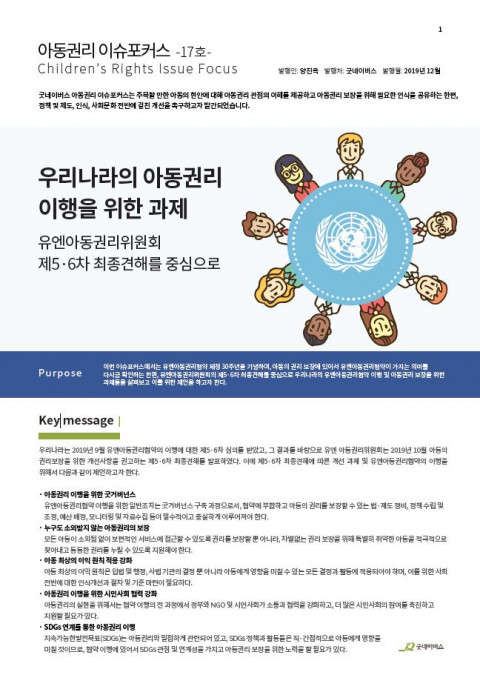 우리나라의 아동권리 이행을 위한 과제: 유엔아동권리위원회 제5·6차 최종견해를 중심으로 (아동권리 이슈포커스 17호) 발행 연도: 2019 단체 저자: 굿네이버스 우리나라는 2019년 9월 유엔아동권리협약의 이행에 대한 제5·6차 심의를 받았고, 그 결과를 바탕으로 유엔 아동권리위원회는 2019년 10월 아동의 권리보장을 위한 개선사항을 권고하는 제5·6차 최종견해를 발표하였다.본 원고에서는 유엔아동권리협약 채택 30주년을 맞이하여, 유엔아동권리협약이 아동권리 보장에 있어서 가지는 의미가 무엇인지 확인하고 1991년 유엔아동권리협약 비준 이후 현재 우리나라의 아동권리 보장 수준은 어떠한지, 그리고 아동권리 보장을 위한 이행 과제와 고려점이 무엇인지 유엔아동권리위원회의 대한민국 제5·6차 최종견해를 중심으로 살펴보고자 한다.
  Development of Global Citizenship Education Competence Scale for Early Childhood Teacher (The Journal of Korean Teacher Education; Vol.35, No.4) 발행 연도: 2018 저자: Jeoungsook Kim | Kyeonghwa Lee 단체 저자: Korean Society for the Study of Teacher Education The study aims to develop a scale to identify and measure the early childhood teacher’s competence for global citizenship education. In order to construct the factors of the teacher’s competence for global citizenship education, conceptualization of the competence was made based on the review of literatures, and then the preliminary scale was constructed through 3 time-Delphi survey of 34 expert panels. The content analysis and statistical analysis (content validity, consensus, and convergence) of the data collected through the Delphi survey revealed that the final version of the scale with 2 domains, 5 factors and 33 items was derived. Then, in order to validate the final version of the scale, the tests with early childhood teachers were carried out. The data collected through the final test of 294 early childhood teachers were statistically analyzed through the ratio of content reliability, validity, and reliability. The analysis was confirmed that the scale was a valid and reliable instrument for measuring the early childhood teacher’s competence for global citizenship education. In conclusion, the scale developed in this study consisted of two domains: the competence as a global citizen and the competence as a early childhood teacher to carry out global citizen education for young children. The global citizenship competence consists of 3 factors and 20 items, and the global citizenship education competence for young children consists of 2 factors and 13 items. Lastly, the possibility of using the scale for early childhood teacher education was discussed. 유아교사의 세계시민교육 역량 척도 개발 (한국교원교육연구; Vol.35, No.3) 발행 연도: 2018 저자: 김정숙 | 이경화 단체 저자: 한국교원교육학회 본 연구는 유아교사가 갖추어야 할 세계시민교육 역량을 측정할 수 있는 도구를 개발하는 데 목적을 두었다. 문헌 고찰을 바탕으로 유아교사의 세계시민교육 역량 요인을 구성한 후, 3 회에 걸친 34명 전문가 패널의 델파이 조사를 통해 척도 시안을 구성하였다. 1차 개방형 조 사와 2차 및 3차의 5점 척도형 조사를 통해 수집된 자료를 분석한 결과, 2개 영역, 5요인, 33 개 요소 및 문항으로 구성된 척도의 최종시안이 도출되었다. 척도의 최종시안을 타당화하기 위하여, 유치원 및 어린이집 재직 중인 유아교사를 대상으로 예비조사 및 본조사를 실시하였 다. 60명의 유아교사를 대상으로 실시한 예비조사와 294명의 유아교사로부터 얻은 본조사 자 료를 바탕으로 문항양호도, 구인타당도, 신뢰도 등 통계적 분석을 실시한 결과, 유아교사의 세계시민교육 역량을 측정하는 도구로서 양호한 척도임을 확인하였다. 본 연구에서 개발한 척도는 유아교사가 세계시민으로서 갖추어야 할 개인적 역량(세계시민 역량)과 유아에게 세계 시민교육을 실행할 수 있는 교사로서의 역량(유아세계시민교육 역량)의 2개 영역으로 구성되 었으며, 세계시민 역량은 지식 및 이해, 기술, 태도 및 실천의 3요인, 20개 문항으로 그리고 유아세계시민교육 역량은 유아세계시민교육과정 구성 및 운영, 유아세계시민교육 실천의 2요인, 13개 문항으로 구성되었다. 이러한 척도의 구성 요인의 의미와 척도의 교사교육적 활용 가능성에 관해 논의하였다.
 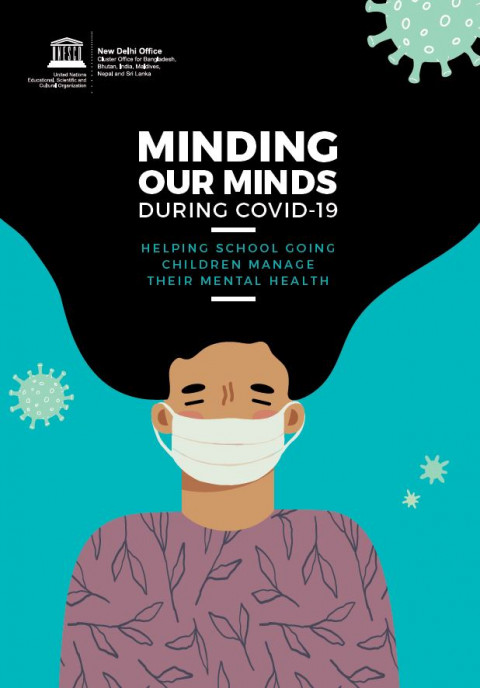 Minding Our Minds during COVID-19: Helping School Going Children Manage Their Mental Health 발행 연도: 2020 저자: Huma Masood | Cynthia Saxena 단체 저자: UNESCO New Delhi This guide provides an outline of how teachers and parents can address the issue of mental health amongst students. The sections in this guide cover basic information about coronavirus, explanation of anxiety in school going children, as well as ways by which students can take care of their mental health during this crisis. The sub-sections of the guide comprise guidelines outlining the duties and responsibilities that teachers and parents/ caregivers must follow to ensure students’ mental health is not negatively impacted by the COVID-19 pandemic. Additionally, sub-sections of the guide provide activities and exercises that teachers and parents can utilize to engage children with to ensure their wellbeing during these difficult times.
 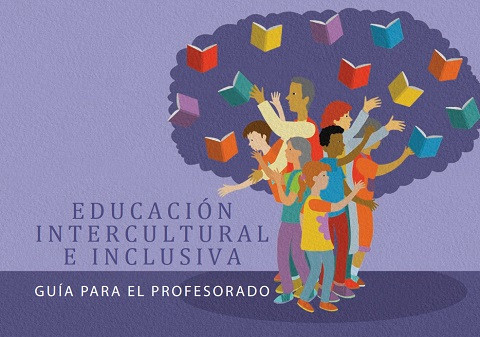 Intercultural and Inclusive Education: Guide for Teachers 발행 연도: 2012 단체 저자: Federación de Trabajadores de la Enseñanza (FETE-UGT) This guide brings together some of the key questions and ideas of intercultural education, the aims of which are comprehensive training, equality and training for coexistence. Educación Intercultural e Inclusiva: Guía para el profesorado 발행 연도: 2012 단체 저자: Federación de Trabajadores de la Enseñanza (FETE-UGT) Esta guía reúne algunas de las preguntas e ideas clave de la educación intercultural, cuyos fines son la formación integral, la igualdad y la formación para la convivencia.
 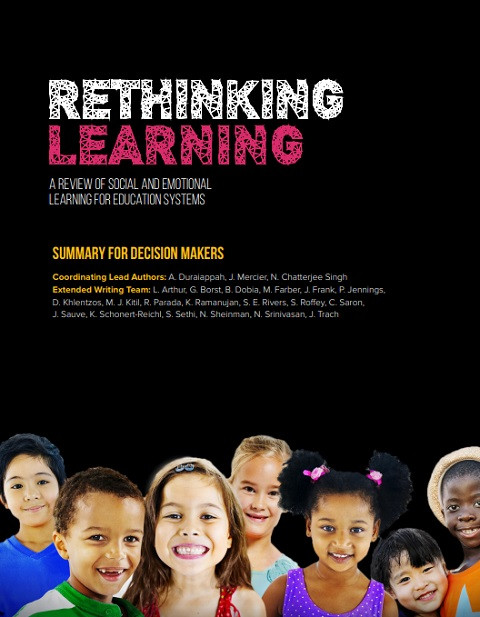 [Summary] Rethinking Learning: A Review of Social and Emotional Learning for Education Systems; Summary for Decision Makers 발행 연도: 2020 단체 저자: Mahatma Gandhi Institute of Education for Peace and Sustainable Development (MGIEP) The publication, titled “Rethinking Learning: A Review of Social and Emotional Learning (SEL) for Education Systems” was worked upon from 2018 to 2020. The purpose of this publication was to review the latest research on SEL and to present scientific evidence for why SEL is key to education, and by that corollary, to achieving the United Nations (UN) Sustainable Development Goals (SDGs), specifically SDG 4, Target 7 that focuses on building peaceful and sustainable societies through education.This summary, aimed at decision makers, synthesises and integrates the main findings, challenges and recommendations from the eight chapters of the full Review. The key questions that guided the Review were: (i) What constitutes an SEL intervention; (ii) Why and when SEL interventions are necessary; (iii) The science and evidence supporting SEL interventions; (iv) How can SEL be implemented; and (iv) The cost and benefits of SEL interventions.
  Educar para la vida: El desarrollo de las habilidades socioemocionales y el rol de los docentes 발행 연도: 2020 저자: Elena Arias Ortiz | Diana Hincapié | Diana Paredes 단체 저자: Inter-American Development Bank Esta nota técnica presenta un diagnóstico sobre la incorporación de las habilidades socioemocionales en 12 países de América Latina y el Caribe, y la formación que reciben los docentes para desarrollar estas habilidades en los estudiantes. Si bien se han registrado avances, resaltamos los principales desafíos que se deben enfrentar para desarrollar las habilidades socioemocionales.
 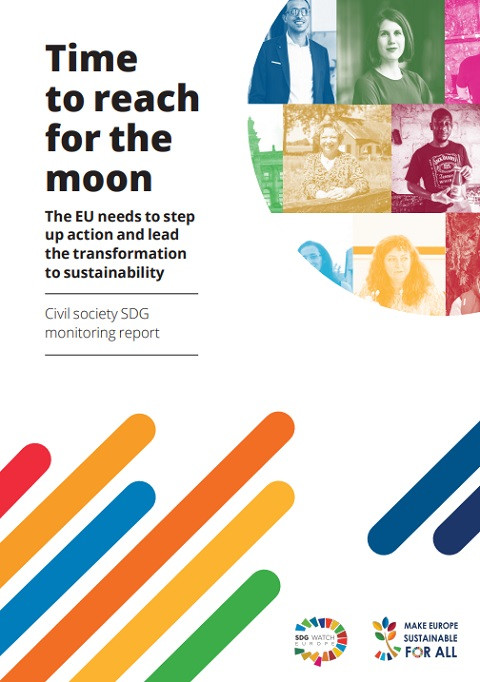 Time to Reach for the Moon: The EU Needs to Step up Action and Lead the Transformation to Sustainability; Civil Society SDG Monitoring Report 발행 연도: 2020 저자: Sylvia Beales | George Gelber 단체 저자: SDG Watch Europe | Make Europe Sustainable for All This report explains why the EU’s SDG reporting creates an illusion of sustainability and makes concrete proposals for meaningful monitoring to become a stronger foundation for transformative policies. The report flags up serious gaps, bringing them to life with 17 individual stories. It also offers 17 solutions, real-life examples of progressive policies, innovative initiatives and truly sustainable business models.