
자료
세계시민교육에 대한 이해를 넓히고 연구, 옹호 활동, 교수, 학습 등을 향상시킬 수 있는 다양하고 유용한 자료를 찾아보세요.
3,158 건의 결과가 검색되었습니다
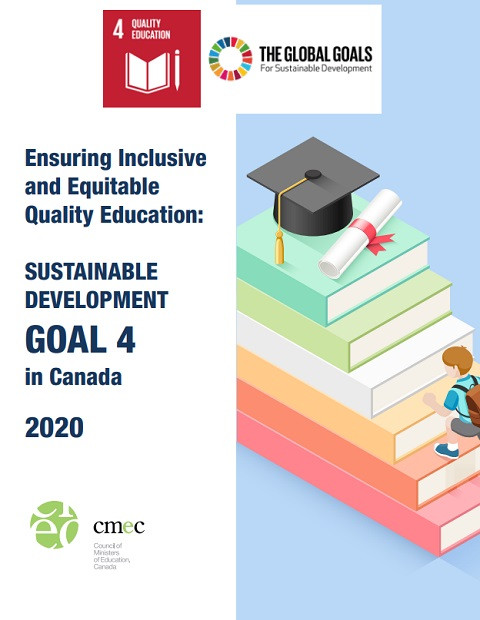 Ensuring Inclusive and Equitable Quality Education: Sustainable Development Goal 4 in Canada 발행 연도: 2020 단체 저자: Council of Ministers of Education, Canada (CMEC) This report provides a framework to share information at the pan-Canadian and international levels on work underway in Canada to achieve SDG 4. The report builds on SDG 4 data and indicators and includes, where possible, provincial and territorial data.
  Instructional Design Based on Ecological Multiple Citizenship for Elementary Social Studies Classroom: Focusing on National Citizenship, Global Citizenship and Sustainable Development Education (Social studies education; Vol. 55, No. 1) 발행 연도: 2016 저자: Kwangtaek Sim 단체 저자: Korean Social Studies Association An instructional model for national citizenship, global citizenship, and sustainable development education was developed. Four lesson plans in the elementary 5thgrade social studies were suggested to show the practice of the instructional model. Three outcomes are reported. First, identity as a citizen of a nation, global citizenship, communications are interrelated. National citizenship and communications in the network society can result in a stronger vision of one’s global citizenship. This is especially the case when the wellbeing and happiness of people in neighboring countries who live across the national boundary are viewed within the domain of community- economy- ecology. Each prepares citizens through knowledge and skills that enable them to empathize, criticize constructively, and live together sustainably. The educational methods recommended to attain global citizenship perspectives are critical thinking, comparative studies, and teaching controversial issues. Those methods tend to result in a commitment to guarantee of non-domination freedom and tolerance of others. Second, discussions regarding sustainable development focused largely on deliberative engagement as a teaching method. Issues discussed were: speculative banking and its regulation; medical treatment and education as value goods; the steps necessary for households and businesses to attain sustainability; and environmental justice and social equity. The educational methods recommended to live together sustainably are planning and practice for grassroots democratic communities’ solidarity by applying back-casting strategy and systematic thinking. Thirdly, social studies classrooms intent on to enhance national citizenship, global citizenship, and sustainable development have a five step task. They, should emphasize comparison and critique→ discussion→ empathy→ planning and lastly the engagement of learners in content critical to ecological multiple citizenship. 생태적 다중시민성에 기반한 초등사회과 교실수업 설계: 국가시민성, 세계시민성, 지속가능발전 교육을 중심으로 (사회과교육; Vol. 55, No. 1) 발행 연도: 2016 저자: 심광택 단체 저자: 한국사회과교육연구학회 본 연구에서는 생태적 다중시민성에 기반하여 국가시민성, 세계시민성, 지속가능발전 교육을 논의하고, 개발한 수업모형에 초등사회 5-1 학습내용을 적용하여 교재분석 및 수업안을 예시하였다. 첫째, 국가시민성, 세계시민성과 의사소통에 관해 논의한 결과, 네트워크시대의 국가시민성으로서 개인정체성은 지역 사회-경제-생태 영역에서 민족과 국경을 넘어 이웃의 안녕과 행복을 담보하려는 세계시민적 정체성으로 발전할 수 있다. 교육내용으로서 공감하는 시민, 비판적 시민, 생태적 시민과 관련된 지식이해, 기능, 가치태도 영역을 선정하고, 교육방법으로서 비지배자유 보장을 위한 토론, 관용과 비판적 사고, 비교와 논쟁을 권장할 수 있다. 둘째, 지속가능한 발전과 사회참여숙의에 관해 논의한 결과, 교육내용으로서 통치체제는 투기성 금융활동을 규제하고, 의료와 교육을 가치재로 인정하며, 가계와 기업은 지속가능한 경제활동을 추구하고, 지역사회를 중심으로 시민 간 연대하여 환경정의와 사회적 형평성을 실천해야 할 것이다. 교육방법으로서 학습자는 파리협정관련 백캐스팅 전략과 지 구촌 사회의 정치, 경제, 사회, 환경 간 시스템적 사고에 토대하여 풀뿌리 민주공동체 간 상호연대를 계획하고 실천할 수 있다. 셋째, 생태적 다중시민성에 기반한 국가시민성, 세계시민성, 지속가능발전 교육을 위한 사회과 교실수업은 학문적 접근이 아니라, 생태적 다중시민성을 지향하는 학습내용을 중심으로 일상생활에서 학습자의 비판적 시민성과 관련하여 비교와 비판→ 토론→ 공감→ 계획과 실천 순으로 설계할 수 있다.
 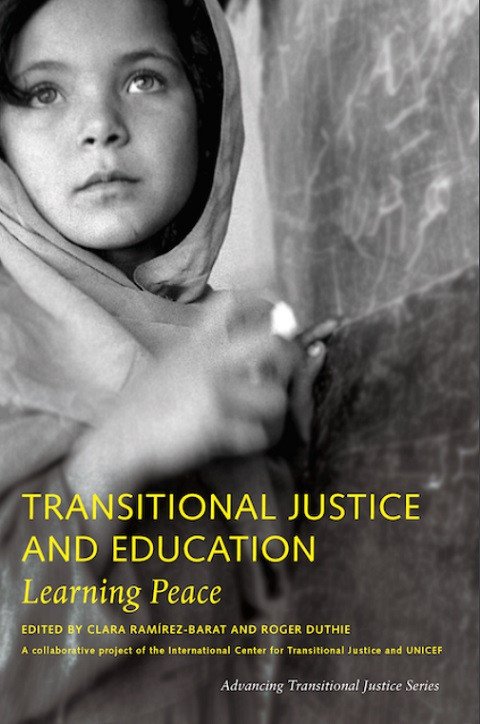 Transitional Justice and Education: Learning Peace (Advancing Transitional Justice Series) 발행 연도: 2017 저자: Clara Ramírez-Barat | Roger Duthie 단체 저자: Social Science Research Council (SSRC) | United Nations Children's Fund (UNICEF) After periods of conflict and authoritarianism, education institutions often need to be reformed or rebuilt. But in settings where education has been used to support repressive policies and human rights violations, or where conflict and abuses have resulted in lost educational opportunities, legacies of injustice may pose significant challenges to effective reform. Peacebuilding and development perspectives, which normally drive the reconstruction agenda, pay little attention to the violent past. Transitional Justice and Education: Learning Peace presents the findings of a collaborative research project of the International Center for Transitional Justice and UNICEF on the relationship between transitional justice and education in peacebuilding contexts. The book examines how transitional justice can shape the reform of education systems by ensuring programs are sensitive to the legacies of the past, how it can facilitate the reintegration of children and youth into society, and how education can engage younger generations in the work of transitional justice.
  Global Citizenship Education: Solidar Foundation Policy Paper 발행 연도: 2020 단체 저자: Solidar Foundation | Erasmus+ The purpose of this paper is to provide recommendations supported by our members, based on their work in formal, non-formal and informal education, to expand GCE at national and European level. Considering how GCE is linked many times with formal education, the recommendations reveal the work of our members outside of this, building upon the need for a multi-stakeholder approach that spans across the entire learning process. This policy paper guides SOLIDAR Foundation’s work in influencing developments related to the EU’s Updated Skills Agenda, European Education Area, Action Plan for the Implementation of the European Pillar of Social Rights, and the European Green Deal, given how all provide an opportunity for GCE to be embraced as a necessity rather than an added-value.
 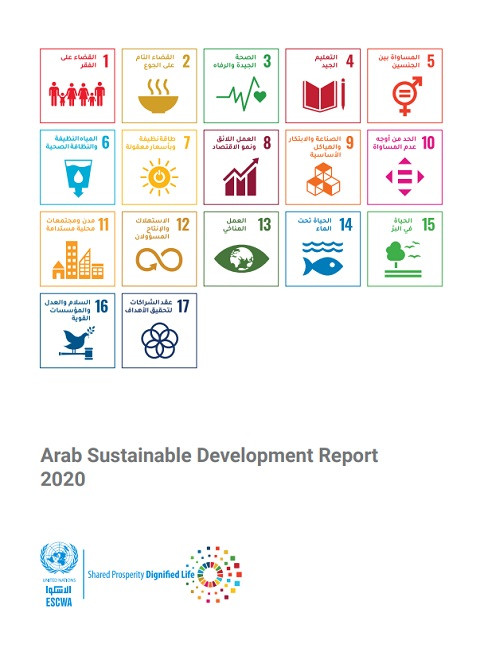 التقرير العربي للتنمية المسـتدامة 2020 발행 연도: 2020 단체 저자: United Nations Economic and Social Commission for Western Asia (ESCWA) تدعو خطة عام 2030 إلى تغيير جذري وتحوّل في الأنماط السائدة. فحشد الموارد المحلية والخارجية يُعدّ من التحدّيات الملحة في المنطقة العربية، كما يُعدّ تكثيف الجهود نحو تحقيق أهداف التنمية المستدامة أمراً مُلحاً. إلّا أنّ التحوّل الجذري، لا يستلزم موارد مالية وتسريع الجهود فحسب، بل يتطلب، أكثر ما يتطلب، تحولًا في التوجه والنهج نحو التكامل في السياسات والاستدامة البيئية والحقوق مع التركيز على المساواة، والعدالة، والشمول الاجتماعي، والحريات الأساسية، والمشاركة في السياسة.قصة أهداف التنمية المستدامة في المنطقة العربية هي إذاً قصة الحقوق والمساواة بين الجنسين والاستدامة والتنمية المتكاملة. ولهذه المهمة من الضخامة والطموح ما يتعدى قياس التقدم على مستوى الأهداف والمقاصد والمؤشرات. وهذا التقرير، الصادر بعد مرور خمسة أعوام على اعتماد خطة عام 2030 وأهداف التنمية المستدامة، هو بمثابة تذكير بضرورة تحديد نقطة الانطلاق في التنفيذ على ضوء الإنجاز المنشود، حتى يكون في التغيير تحوّلٌ حقيقي. وإنّما المواءمة بين السياسات وسائر التدخلات مع الإطار الشامل لخطة عام 2030 هي الطريق الوحيد لعبور المنطقة والعالم إلى تنفيذ خطة عام 2030. أما مدى قرب المنطقة العربية من هذه المواءمة أو بعدها عنها، فهو ما يسرده هذا التقرير.
  Practice as Prize: Citizenship Education in Two Primary Classrooms in Ireland (Journal of Social Science Education; Vol. 13, No. 1) 발행 연도: 2014 저자: Fionnuala Waldron | Brian Ruane | Rowan Oberman 단체 저자: Bielefeld University While citizenship education forms part of the formal curriculum at primary level in Ireland, its inclusion as a strand unit of Social, Personal and Health Education, rather than as a discrete subject, tends to make it less visible. In practice, citizenship education is strongly influenced by external agencies and non‐governmental organisations (NGOs) active in the field as the dominant producers of teaching resources and programmes in the area. In many cases, these programmes are award‐driven, requiring schools to compete with others for recognition or to exemplify a particular standard of practice. Using thick description (Geertz 1973) and teachers' narratives, this article presents two cases based on the practice of two experienced primary teachers who negotiate the complex space between professional practice and the particular agendas of external agencies and NGOs. Focusing on two exemplars of their teaching, the article locates their work within the broader context of citizenship education in Ireland, highlighting the extent to which the exemplars chosen typify or challenge existing practice. The article includes the outline plans used by the participating teachers and draws on an extended dialogue between the participants and the researchers in which issues relating to citizenship education, classroom and whole school practice and the broader educational context were discussed and probed.
  Fiche Genre et ECM: Primaire 발행 연도: 2017 저자: Carl Michiels 단체 저자: Annoncer la Couleur (ALC) | Centre de Connaissances en Éducation à la Citoyenneté Mondiale (WikiCM) Ce document présente la définition du genre, des animations spécifiques à réaliser en classe, un lexique du genre, les contacts des organismes spécialistes du genre et les outils pédagogiques existant sur l’ECM à destination des enseignant·e·s ainsi qu’à destination des élèves.
  Education and Migration: An Assessment of the Types and Range of IOM’s Education and Vocational Training Projects 발행 연도: 2018 저자: Rocio Sanz 단체 저자: International Organization for Migration (IOM) This report presents the results of the assessment of the range and types of IOM’s education and vocational training programmes as of December 2017. Within an overall framework of reviewing the Organization’s role in supporting the development and implementation of migration policy, the purpose of this assessment is to understand how these programmes contribute to education and vocational training outcomes, especially in the specific context of SDG 4 (Quality Education) of the 2030 Agenda for Sustainable Development.
 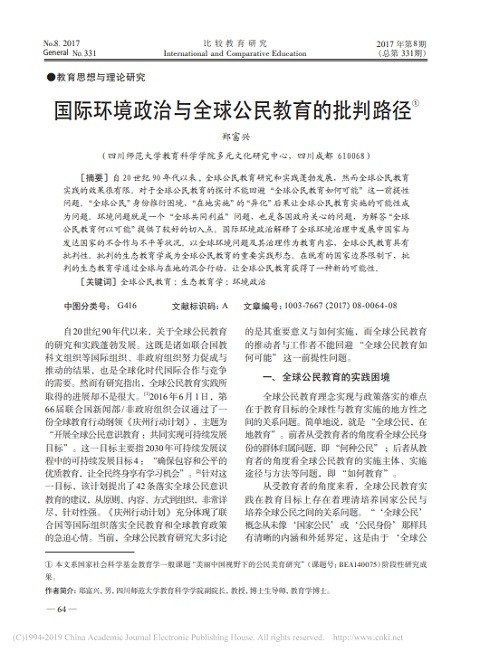 International Environmental Politics and Critical Approach to Global Citizenship Education (International and Comparative Education; No. 8) 발행 연도: 2017 저자: Zheng Fuxing 단체 저자: Beijing Normal University The research and practice of global citizenship education have thrived since 1990s, but the effectiveness of global citizenship education is limited. The researcher cannot avoid the problematic premise of the possibility of global citizenship education. The identity predicament of global citizen and alienation of local implementing make probability of the global citizenship education problematic. The practical predicament of the global citizenship education manifests that the nation state is the key factor of policy implementation. Environmental question, which is about global common good, attracts the attention from the government of most of nations, and becomes the good case for exploring the feasibility of global citizenship education. Environmental politics explain the inequality and injustice in the globally environmental governance which made the global citizenship education critical. The critical ecopedagogy becomes the new form of global citizenship. The practice of the global citizenship education becomes viable by hybrid activism generated by dialectical movement between local and global in the limit of nation-state.