
자료
세계시민교육에 대한 이해를 넓히고 연구, 옹호 활동, 교수, 학습 등을 향상시킬 수 있는 다양하고 유용한 자료를 찾아보세요.
3,128 건의 결과가 검색되었습니다
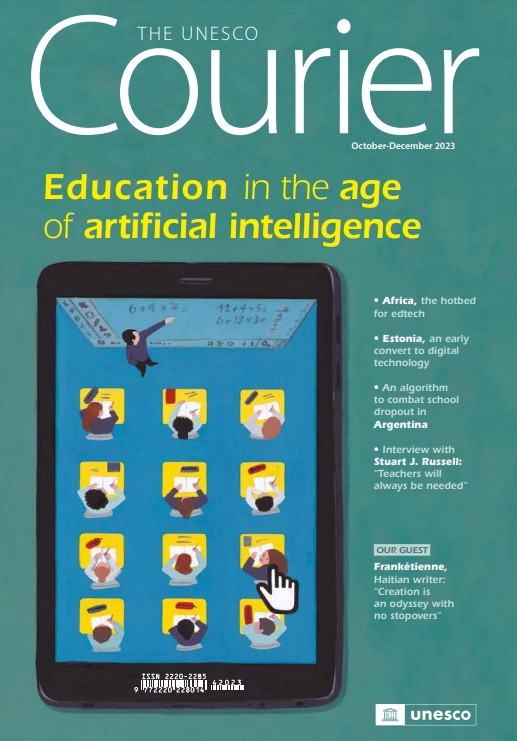 Школа в эпоху искусственного интеллекта (Курьер ЮНЕСКО no.4, октябрь-декабрь 2023) 발행 연도: 2023 단체 저자: UNESCO В эпоху, когда сфера образования во всех странах мира претерпевает кардинальные изменения, внимание не только специалистов, но и рядовых граждан приковало к себе одно образовательное новшество». Современный читатель может резонно подумать, что речь идет об искусственном интеллекте (ИИ) или об использовании на уроках дополненной реальности. Отнюдь: в этой статье, напечатанной в «Курьере ЮНЕСКО» за март 1965 года под заголовком «За и против программированного обучения», говорится об «обучающих машинах» — наборе программ, разработанных в США с целью сопровождения учащихся в учебе. Это говорит о том, что вопрос о роли компьютеров в обучении возник не сегодня. Новые технологии, как бы их ни хвалили и ни хулили, все больше проникают в школьную среду, по крайней мере, в промышленно развитых странах. Обучающие компьютерные игры, занятия по интернету и массовые открытые онлайн-курсы (MOOК) становятся реальностью для растущего числа школьников и студентов. Пандемия COVID-19 лишь ускорила этот процесс, приведя к появлению во всем мире, включая Африку, множества компаний, специализирующихся на цифровых образовательных технологиях или EdTech. Тем не менее, какими совершенными бы они ни были, технологии не заменили собой основную форму обучения — преподавателя, работающего с группой учеников. Однако ситуация может измениться по мере развития ИИ. На рынке уже появляются интеллектуальные системы обучения и программы, способные генерировать контент, такие как чат-бот ChatGPT. Быть может, предсказанная многими революция в сфере образования наконец началась? Во всяком случае, применение генеративного ИИ в обучении уже сейчас ставит перед системами образования задачи совершенно нового порядка. Как отмечается во Всемирном докладе ЮНЕСКО по мониторингу образования за 2023 год, такие передовые инструменты могут обеспечить индивидуальную помощь в учебе и быть особенно полезными для учащихся, имеющих ограниченные возможности здоровья или проживающих в труднодоступных районах. Но в то же время они поднимают на поверхность такие проблемы, как цифровое неравенство, защита данных и доминирование в этом секторе крупных международных компаний. Увы, на данный момент правовое регулирование в этой области отсутствует. По этой причине необходимо срочно принять нормативные акты, которые обеспечили бы человекоориентированный подход в использовании искусственного интеллекта в образовании и его направленность на интересы учащихся. В стремлении содействовать скорейшему достижению этой цели, в сентябре 2023 года ЮНЕСКО опубликовала первое в истории руководство по использованию генеративного ИИ в образовании и научных исследованиях, призванное заложить основы для решения связанных с этими технологиями проблем. Руководство дополняет собой предыдущие работы Организации в этой области, в частности Рекомендацию об этических аспектах ИИ и «Технологии ИИ в образовании: руководство для лиц, ответственных за формирование политики», опубликованные в 2021 году. 人工智能时代的教育 (联合国教科文组织 信使 2023年第4期) 발행 연도: 2023 단체 저자: UNESCO “就在世界各国的教育领域经历巨变的时候, 一种教学现象不仅引起了专业人士的注意, 也受到了非专业人士的关 注。”这里所说的创新是指人工智能吗?抑或是指在课堂 上使用增强现实技术?都不是。联合国教科文组织《信使》 杂志上的这篇文章讲的是“教学机器”。 这是美国开发出 来的一套程序, 用于指导学生学习。 这篇文章最初发表于 1965 年 3 月。 由此可见, 关于计算机在学习中能起到什么作用的思 考, 并不算新鲜。 无论人们的态度是褒是贬, 科技正在日 益融入学校, 至少在工业化国家是这样的。 数字技术学习 游戏、线上辅导和大规模开放式在线课程(MOOC)已成 为越来越多的学生的现实生活场景。 新型冠状病毒感染疫 情只是加速了这一发展趋势, 促进了非洲等地数字化教育 服务公司(“教育科技公司”)的崛起。 然而, 在一名教师同时为一群学生授课这条基本原 则面前, 无论多么尖端的技术都没能打破陈规。 人工智能 有可能改变游戏规则。ChatGPT 和智能教程等生成式人 工智能工具的出现, 是否意味着众望所期的革命已经开始 了?总之, 生成式人工智能在学习中的应用, 给教育系统 带来了前所未有的挑战。 正如联合国教科文组织《2023 年全球教育监测报告》 所强调的那样, 这些新工具可以为学生, 特别可以为残疾 学生和居住在偏远地区的学生, 提供个性化支持, 新工具 在这方面的作用确实不可估量, 但由此也引发了关于数字 鸿沟、 数据保密性, 以及国际大公司在这一领域占尽优势 等问题。目前,保障措施仍然缺失。 因此, 联合国教科文组织建议, 当务之急是制定相关 法规, 确保人工智能在教育中的应用始终秉承以人为本的 理念, 且符合学生的最大利益。 为此, 联合国教科文组织 于 2023 年 9 月发布了首份全球《生成式人工智能在教育 和研究中的应用指南》(Guidance for generative AI in education and research ), 旨在解决这些技术造成的干 扰。《指南》对联合国教科文组织编制的其他工具进行了 补充, 包括《人工智能伦理问题建议书》(Recommendation on the Ethics of Artificial Intelligence )和 2021 年发布的《人工智能与教育:政策制定者指南》(AI and education: guidance for policy-makers )。
 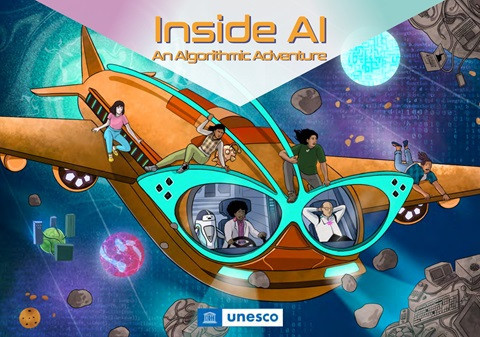 Inside AI - An Algorithmic Adventure 발행 연도: 2022 저자: Katherine Evans 단체 저자: UNESCO In the framework of UNESCO’s work to harness emerging technologies for sustainable development, this graphic novel for policymakers as well as youth explores the impact of Artificial Intelligence on humankind. Dive into the world of AI and follow the adventures of four characters whose lives are affected by algorithmic hazards: By following characters in four different corners of the globe as they grapple with the limits of AI technologies, the audience jointly embarks on a mission in an algorithmic galaxy called Plethor.A.I.. There, they have but one option: travel across this hidden world behind our screens to learn about the social, technical, ethical and human rights impacts of Artificial Intelligence, and help the characters find a way back to reality.UNESCO’s first graphic novel on Artificial Intelligence (AI) aims at providing an educational media to policymakers, adults and youth who are curious and interested in learning more about AI, its challenges and stakes.
 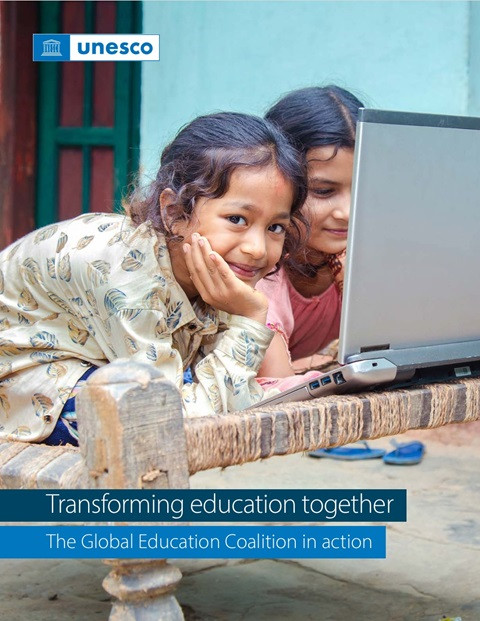 Transforming Education Together: The Global Education Coalition in Action 발행 연도: 2023 단체 저자: UNESCO The Global Education Coalition, launched by UNESCO, is a platform for col-laboration and exchange to protect the right to education during this unprec-edented disruption and beyond. This is the fourth progress report of the Coalition and builds on the inaugural document released in September 2020 and the first annual report published in March 2021. This document covers activity between November 2021 and March 2023.
 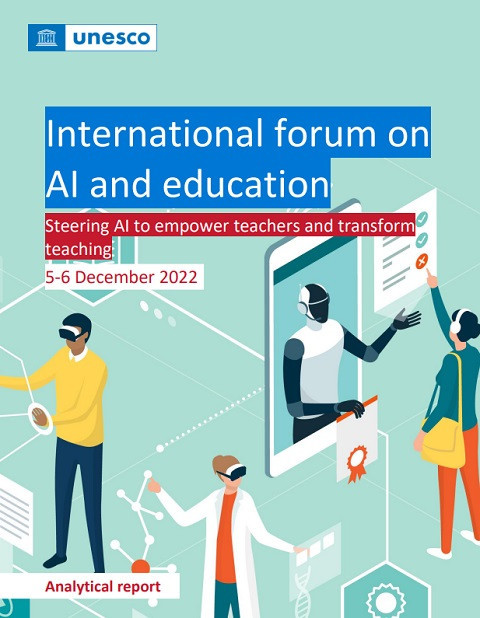 International Forum on AI and Education: Steering AI To Empower Teachers and Transform Teaching, 5–6 December 2022; Analytical Report 발행 연도: 2023 저자: Fengchun Miao | Kelly Shiohira | Zaahedah Vally | Wayne Holmes 단체 저자: UNESCO | JET Education Services The International Forum on AI and Education has contributed ‘to peace and security by promoting collaboration among the nations through education, science and culture’ (UNESCO, 1945). The Forum has now become the world’s leading event promoting knowledge-sharing, the understanding of peoples, and the achievement of international agreements, in the fast-developing and increasingly impactful field of AI and education. The fourth edition of the International Forum on Artificial Intelligence and Education aimed to foster knowledge sharing specifically on how to steer the design and use of AI to empower teachers and to transform teaching methodologies within the broad framework of digital transformation of education. The Forum sought to bring together a range of expertise and experiences across the globe, and, in keeping with UNESCO priorities, a special focus was placed on Africa. A total of 16 national strategies were presented at the Forum by the various national ministers and representatives invited to attend. The national strategies shared during the Forum also unveiled the varying levels of preparedness and policy responses toward AI across different regions, a reminder that the pre-existing digital divide still underpins the system-wide uptake and integration of AI in education. Therefore, not all of the strategies were directly related to or containing AI because some areas that were represented at the conference are still at the nascent stages of AI Strategy development. The presentations of national initiatives and strategies related to AI from these countries shed light on the general awareness of policy-makers on the impact of AI in education and the commitment of national governments to fostering AI competencies among students and teachers. This report focus on the following key themes: national strategies on AI and education; critical reviews of roles of AI in the digital transformation of education; ethical principles and their implementation with a specific focus on gender equality; AI competencies for teachers, and notable algorithms or AI platforms and AI-informed pedagogies. The report concludes with considerations for the future based on the authors’ own analysis of the key role of human teachers, steering the human-centered approach, mainstreaming gender equity, designing education-specific AI models and innovative pedagogy, and ensuring human agency in defining problems and designing solutions.a
  International Forum on AI and Education: Ensuring AI as a Common Good To Transform Education, 7–8 December 2021; Synthesis Report 발행 연도: 2022 단체 저자: UNESCO The ‘International Forum on AI and the Futures of Education: Ensuring AI as a Common Good to Transform Education’ was co-organized by UNESCO, the Ministry of Education of the People’s Republic of China, and the National Commission of the People’s Republic of China for UNESCO. Building on the previous ‘AI and the Futures of Education’ forums, held in 2019 and 2020, this 2021 forum set out to explore the importance and role of digital humanism in AI and education. With people and governments worldwide becoming increasingly aware of both the potential and the challenges of AI and education, the forum engaged participants in dialogue about how AI governance and innovation can be enhanced for the common good. Forum participants included government ministers and other high-level ministry officials from Member States, together with representatives of international organizations, NGOs and academic institutions.This synthesis report has been developed by drawing from the International Forum on AI and the Futures of Education held in Beijing and simultaneously online from 7 to 8 December 2021.
  التربية والتعليم والتعلم والمعرفة في عالم ما بعد كوفيد- 19 : تسع أفكار للعمل العام 발행 연도: 2020 단체 저자: UNESCO ستكون للقرارات التي یجري اتخاذھا الآن في سیاق جائحة فیروس كورونا (كوفید-19 (عواقب طویلة الأجل على مستقبل التربیة والتعلیم. وتقدم اللجنة الدولیة المعنیة بمستقبل التربیة والتعلیم في ھذا التقریر تسع أفكار رئیسیة لمواجھة الأزمة الناجمة عن جائحة كوفید-19 وعواقبھا، مع التمسك بالمبادئ الأساسیة ومواطن القوة ُ ُظم التعلیم. ویجب إیلاء ً غیر مسبوق في الاقتصادات والمجتمعات وكذلك في ن المعروفة بینما نواجھ اضطرابا التفاعل بین البشر ورفاھھم الأولویة عند العمل على وضع تصور جدید للتربیة والتعلیم وتحدیثھما، ویجب أن ُفسح یتزامن ذلك مع الالتزام بالتضامن على الصعید العالمي ورفض استمرار أوجھ ومستویات التفاوت التي أ المجال لبروزھا في عالمنا المعاصر. Education in a Post-COVID World: Nine Ideas for Public Action 발행 연도: 2020 단체 저자: UNESCO Decisions made today in the context of the COVID-19 pandemic will have longterm consequences for the futures of education. In this report the International Commission on the Futures of Education presents nine key ideas for navigating through the COVID-19 crisis and its aftermath, contending that we must build on core principles and known strengths as we face unprecedented disruption to economies, societies and education systems. In the renewal and reimaging of education human interaction and wellbeing must be given priority. This must also be accompanied by a commitment to global solidarity that does not accept the levels of inequality that have been permitted to emerge in the contemporary world La educación en un mundo tras la COVID: Nueve ideas para la acción pública 발행 연도: 2020 단체 저자: UNESCO Las decisiones que se tomen en este momento en el contexto de la pandemia de COVID-19 tendrán consecuencias a largo plazo para los futuros de la educación. En este informe, la Comisión internacional sobre Los futuros de la educación presenta nueve ideas clave para sortear la crisis de la COVID-19 y sus secuelas, partiendo de la premisa de que debemos basarnos en los principios básicos y en los puntos fuertes con los que ya contamos al enfrentarnos a una perturbación sin precedentes de las economías, las sociedades y los sistemas de educación. En la renovación y el replanteamiento de la educación se debe otorgar prioridad a la interacción y el bienestar humanos. Esto ha de ir también acompañado de un compromiso con una solidaridad mundial que no acepte los niveles de desigualdad que se ha dejado surgir en el mundo contemporáneo. L’éducation dans un monde post-Covid: Neuf idées pour l’action publique 발행 연도: 2020 단체 저자: UNESCO Les décisions prises aujourd’hui dans le cadre de la pandémie du Covid-19 auront des conséquences à long terme sur les futurs de l’éducation. Dans ce rapport, la Commission internationale sur Les futurs de l’éducation présente neuf idées essentielles pour dépasser la crise de Covid-19 et appréhender ses répercussions. Rapport dans lequel elle affirme également que nous devons nous appuyer sur des principes fondamentaux et des atouts connus alors que nous sommes confrontés à des perturbations sans précédent des économies, des sociétés et des systèmes éducatifs. Dans le renouvellement et le réaménagement de l’éducation, la priorité doit être donnée à l’interaction humaine et au bien-être. Cela doit également s’accompagner d’un engagement en faveur d’une solidarité mondiale qui refuse les niveaux d’inégalité qui caractérisent le monde actuel.