
자료
세계시민교육에 대한 이해를 넓히고 연구, 옹호 활동, 교수, 학습 등을 향상시킬 수 있는 다양하고 유용한 자료를 찾아보세요.
3,500 건의 결과가 검색되었습니다
 Curriculum in Transformation Mode: Rethinking Curriculum for the Transformation of Education and Education Systems 발행 연도: 2023 저자: Renato Opertti 단체 저자: UNESCO International Bureau of Education (IBE) Through these pages, Renato Opertti shares a series of reflections that invite us to revisit the curriculum as an opportunity and lever for societies to express their visions and aspirations. Curriculum can serve to position education as the pillar of a renewed social contract grounded on the welfare of all learners as persons and supporting societies and communities give effect to sustainable and better futures for the younger generations. To do so, we need to re-conceptualize curriculum at large: from a mere specification of frequently fragmented learning contents to its understanding as both a process and product of public policy developments in which diversity of stakeholders own and take responsibility for education as a global common good. Curriculum and pedagogy, by going hand-inhand, and supported by effective teaching, learning and assessment processes, can play a key role in fulfilling the right to education for every learner equally, according to their own individual needs. Key ideas in this book help us to rethink curriculum with future-oriented approaches, entailing a stronger involvement of younger generations in the decision-making process and a careful attention to vulnerability and disadvantaged groups. A curriculum that embraces individuality and diversity within collaborative and caring learning settings, nurtures freedom and autonomous thinking, connects meaningfully the global and the local, and assumes the hybridization of education. The book also delves into perspectives for educational transformation prioritizing the development of learners’ foundational and transformative competencies as the barometer of a progressive curriculum. Crucially, this entails rethinking the mindsets and practices of education systems in light of the interconnected challenges posed by the Fourth Industrial Revolution, post COVID-19, generative AI and the sustainability of the planet and the world.
  Preventing Violent Extremism through Sport: Technical Guide; Criminal Justice Handbook Series 발행 연도: 2020 단체 저자: UN. Office on Drugs and Crime (UNODC) The Technical Guide on Preventing Violent Extremism through Sport, developed in consultation with international experts, recognizes the importance of promoting the well-being of children and youth. It applies an approach that encourages prosocial behaviour and good safeguarding and welfare practices, with particular emphasis on educational and social development measures in line with the United Nations Guidelines for the Prevention of Crime.The guide, addressed mainly to policy makers and implementing organizations, has been carefully designed to support effective integration of sport-based learning in primary prevention frameworks. By adopting a five-zone approach to prevent violent extremism namely safe space, empowerment, resilience, social inclusion and education, it supports informed policy development and a Theory of Change that can shape curriculum design and content. To further support global efforts in preventing violent extremism, UNODC is also developing an e-learning module and a practical tool for trainers that will be published soon and will complement this technical guide.
  Building Back Better: Youth, Power and Planet 발행 연도: 2020 저자: Valerie Duffy | Leo Gilmartin | Eva Janssens | Dermot O’Brien 단체 저자: National Youth Council of Ireland (NYCI) Building Back Better: Youth, Power and Planet is about power. The understanding of power in youth work is vitally important for the development of young people as they navigate through their lives and society.The aim of this resource is to support young people and youth workers in understanding power, seeing power, claiming power, and activating power. It includes a wealth of background information on concepts around power and terminology, as well as a guide on ‘How to Use this Resource’, activities, stimulus sheets. This toolkit explores the issue of power and helps you make links to the Sustainable Development Goals.It is designed for global educators, youth workers, development education practitioners, trainers, climate activists, changemakers of all shapes and sizes but in particular those working with the current generation of young people.Building Back Better contains 4 main sections:Section 1. Defining PowerSection 2. Seeing PowerSection 3. Claiming PowerSection 4. Activating PowerIt also contains:an introduction to power in theory and in practice 10 activities with interactive exercisesaction power templates for planningstriking visuals, case studies on human development for adapting This was resource was created by the NYCI Youth 2030 programme.
  Jeunesse et citoyenneté : une culture à réinventer: 23 recommandations pour redynamiser la culture citoyenne (Rapport d'information; No.648, 2021-2022) 발행 연도: 2022 저자: Stéphane Piednoir | Henri Cabanel 단체 저자: Sénat français Des sujets proches des préoccupations de la mission d’information ont été inscrits à l’agenda d’autres institutions et structures du Sénat pendant cette mission d’information qui s’est déroulée du 1er décembre 2021 au 7 juin 2022. Cette convergence souligne l’importance de ces questions et l’urgence de mesures destinées à réparer le lien entre les citoyens et les institutions et, à travers l’éducation citoyenne de la jeunesse, à renforcer la cohésion nationale et à préparer l’avenir de notre démocratie. Au terme de ses travaux, la mission formule vingt-trois recommandations pour mieux éduquer et former à la citoyenneté, pour encourager une citoyenneté active par l’engagement, et pour repenser les pratiques démocratiques afin de rapprocher les citoyens – et plus particulièrement les jeunes – des institutions. Elle considère que ces questions doivent, à l’approche de la nouvelle législature, constituer une priorité pour les pouvoirs publics.
 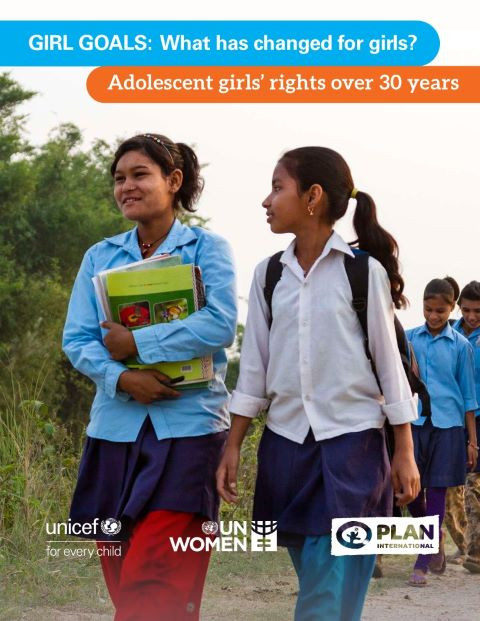 Girl Goals: What has Changed for Girls? Adolescent Girls’ Rights over 30 Years 발행 연도: 2025 단체 저자: United Nations Children's Fund (UNICEF) | United Nations Entity for Gender Equality and the Empowerment of Women (UN Women) | Plan International This report makes three key recommendations on action we can take now to advance adolescent girls’ rights at scale, in ways that account for fiscally constrained contexts and multiple competing priorities: 1. Ensure tangible and actionable support for adolescent girls’ voices, advocacy and action. The current generation of girls are raising their voices to be heard and are already at the forefront of making change around the world. With the right support, resources and seats at the table, adolescent girls can help transform the world for the better, shaping better policy outcomes for themselves and everyone. This is not about girls’ voices above all others, or endless consultation, but about specific, meaningful actions that ensure girls get the support they need and are heard on policy issues that matter to them. 2. Establish and track explicit targets for change for adolescent girls, who are too often invisible and sidelined Setting explicit targets to monitor outcomes for adolescent girls is key to making progress. Context-specific prioritization will be necessary, but there are some issues that stand out globally. Gaps in progress (such as child marriage gains accruing disproportionately to wealthier households) demonstrate the need forprogrammes that address poverty and economic realities alongside harmful social norms. The disproportionate number of adolescent girls not in education, employment or training, not entering the labour market as young women, and left behind when it comes to digital skills, is a threat to the gains made for girls and to economic growth that will benefit everyone. Stagnation on issues like underweight also stand out. Country- specific priorities supported by data- driven accountability mechanisms and investments are needed to translate policy commitments into change on the ground. 3. Resource and deliver smartly to unlock the social and economic dividend Governments and partners should invest in solutions proven to change outcomes across multiple SDGs at scale – for example, investing in education and skills, cash transfers and economic empowerment programmes designed to support girls. Existing systems, from maternal health care to school curricula, should be adapted to meet girls’ needs rather than creating small- scale, separate projects. Streamlined, evidence-based ‘add-ons’ – such as adding parenting support to existing maternal health-care programmes – can be cost effective and accelerate outcomes if well designed. Change is possible, and this report shows that great gains have been made. Smart investments now can transform the world for girls, families, communities and national economies. It is time to act.
  Guidelines for education sector plan appraisal 발행 연도: 2015 단체 저자: UNESCO International Institute for Educational Planning (IIEP) | Global Partnership for Education (GPE) At the World Education Forum, in Dakar in 2000, the international community pledged that no country with a credible plan to achieve the Education for All goals would be thwarted by a lack of resources. Since then, the development of an education sector plan (ESP) has become a priority in many countries. ESPs present the policies and strategies for national education reform, and are a powerful tool for coordinating partners and for mobilizing additional domestic and external resources. They have become a critical instrument for governments to signal to all potential investors that their education policies are credible, sustainable, and worthy of investment.The consensus on the need for credible ESPs is strong. However, what does a credible plan require in terms of government leadership, knowledge and data, institutional and human capacities, and dialogue among the education stakeholders? What are the criteria that establish the credibility of a plan? The purpose of these guidelines is to assist education stakeholders in appraising the soundness, relevance, and coherence that form the credibility of ESPs. The primary objective of an appraisal report is to support the finalization of a credible ESP. It provides a fair review of the ESP strengths and areas in need of improvement before the endorsement by partners which signifies their commitment to support the implementation of the ESP. These guidelines are meant to be adapted to national contexts and needs. The stakeholders should discuss the scope and the methodology of the appraisal to be used, and develop a common vision of the whole process. The appraisal process should be participatory, and grounded in the political and technical dialogue for ESP development. It should involve consultations, interviews with key stakeholders, and field visits, in addition to a desk review of the ESP and any other relevant documents. It is good practice to organize a validation workshop of the appraisal report’s findings, conclusions, and recommendations to feed into the ESP finalization. The appraisal process should occur early enough in the ESP development process to allow time for decision-makers to open consultations on these conclusions and recommendations in order to improve the final version of the ESP. Guide pourl’évaluation d’un plan sectoriel d’éducation 발행 연도: 2015 단체 저자: UNESCO International Institute for Educational Planning (IIEP) | Global Partnership for Education (GPE) Le Partenariat mondial pour l’éducation (GPE, du sigle anglais) est le seul mécanisme mondial et multilatéral visant à ce que tous les enfants puissent aller à l’école et y recevoir une éducation de qualité. Rassemblant près de 60 gouvernements de pays en développement, ainsi que des gouvernements donateurs, des organisations de la société civile, des fondations privées, des institutions internationales, des enseignants et le secteur privé, il propose un soutien financier pour l’élaboration et la mise en œuvre de plans sectoriels d’éducation de qualité dans les pays les plus pauvres. Le GPE réunit dirigeants nationaux et mondiaux pour concevoir des stratégies coordonnées, donnant à chaque enfant l’opportunité d’apprendre dans un contexte éducatif stimulant et sûr. En soutenant des programmes de développement qui visent à atteindre les objectifs éducatifs d’un pays (parité, bons résultats d’apprentissage, accès universel à l’enseignement primaire), le Partenariat veille à ce que les investissements dans le secteur de l’éducation portent leurs fruits. Le GPE a contribué à améliorer les résultats des pays en matière d’éducation, non seulement en réunissant ses partenaires pour élaborer des plans sectoriels d’éducation, dont la qualité est quantifiable, mais aussi en investissant dans des domaines stratégiquement essentiels mais sous-financés de ces plans, et en mobilisant l’expertise des partenaires nationaux pour tirer le meilleur parti de leurs atouts respectifs. Le GPE a alloué 3,9 milliards de dollars EU au cours des dix dernières années, en soutien aux réformes éducatives dans certains des pays les plus pauvres du monde. En 2014, près de la moitié de ses financements a été attribuée à des pays fragiles ou touchés par des conflits. Guía para la evaluación de un plan sectorial de educación 발행 연도: 2015 단체 저자: UNESCO International Institute for Educational Planning (IIEP) | Global Partnership for Education (GPE) La Alianza Mundial para la Educación (GPE, por sus siglas en inglés) es la única alianza multilateral global cuya misión es conseguir que todos los niños y niñas estén escolarizados en un sistema educativo de calidad. La Alianza Mundial para la Educación engloba a alrededor de 60 gobiernos de países en desarrollo, así como a gobiernos socios, organizaciones de la sociedad civil, instituciones internacionales, profesores, fundaciones privadas y sector privado. Proporciona financiación para apoyar el diseño y la ejecución de planes sectoriales de educación de calidad en los países más pobres del mundo. La GPE reúne a líderes mundiales y nacionales para apoyar estrategias coordinadas que ofrezcan a todos los niños y niñas la oportunidad de aprender en un entorno de aprendizaje seguro y adecuado. La Alianza Global, mediante el apoyo a programas de desarrollo enfocados a alcanzar las metas educativas de cada país, tales como la paridad de género, resultados de aprendizaje de calidad y acceso universal a la educación primaria, garantiza que la inversión en educación valga la pena. Hemos ayudado a mejorar los resultados nacionales en educación gracias al trabajo conjunto de socios en la elaboración de planes sectoriales de educación, medibles y de calidad, a la inversión en componentes del plan que eran estratégicamente importantes y que no estaban suficientemente financiados y a la activación del expertise de socios en el país que han aportado su ventaja comparativa. La Alianza Mundial para la Educación ha asignado 3.900 millones de dólares en los últimos diez años para apoyar reformas educativas en los países más pobres de mundo. Prácticamente lamitad de la financiación de 2014 se destinó a estados frágiles o países en situación de conflicto. Guidelines for education sector plan appraisal (prs) 발행 연도: 2015 단체 저자: UNESCO International Institute for Educational Planning (IIEP) | Global Partnership for Education (GPE) مشارکت جهانی برای تعلیم و تربیهیگانه تفاهمنامه چند جانبه جهانی است که جهت فراخواندن تمام اطفال در مکاتب با کیفیت وقف گردیده است. مشارکت جهانی برای تعلیم و تربیه حدودأ شامل دولت 60کشور رو به ترقی و همچنان کشور های حمایت کننده،نهاد های جامعه مدنی، نهاد های بین المللی، اتحادیه های خصوصی و معلمان، و سکتور خصوصی میباشد. این مشارکت منابع مالی را جهت حمایت انکشاف و تطبیق پلان های استراتیژیک با کیفیت در فقیر ترین کشور های جهان میباشد.مشارکت جهانی برای تعلیم و تربیه رهبری های ملی و بین المللی را دور هم جمع می نماید تا از آموزش هر طفل در یک فضای مصئون و مؤثر آموزشی حمایت گردد. با حمایت برنامه های انکشافی جهت رسیدن به اهداف تعلیمی یک کشور، مانند تساوی جنسیتی، نتایج با کیفیت آموزشی، و دسترسی همگانی به مکاتب ابتدائیه، مشارکت جهانی تعلیم وتربیه تضمین می کند که به قدر کافی در تعلیم و تربیه سرمایه گذاری میشود. ما از بهبود رسیدن به نتایج آموزشی از طریق گردهم آوردن شرکا میان هم تا پلان های استراتیژیک با کیفیت را ترتیبنمایند، از طریق سرمایه گذاری بالای بخش های مهم استراتیژیکی و نیازمند بودجه پلان استراتیژیک کشور ها و از طریق بسیج نمودن شرکای داخلی در کشور ها تا از مزیت نسبی شان استفاد بتوانند حمایت نموده ایم.مشارکت جهانی برای تعلیم و تربیه در دهه گذشته مبلغ 3.9میلیارد دالر را برای حمایت اصلاحات در تعلیم و تربیه بعضی فقیر ترین کشور های جهان تخصیص داده است. در سال 2014تقریبأ نیم از این سرمایه گذاری به کشور های نا امن و متاثر از جنگ داده شد.
 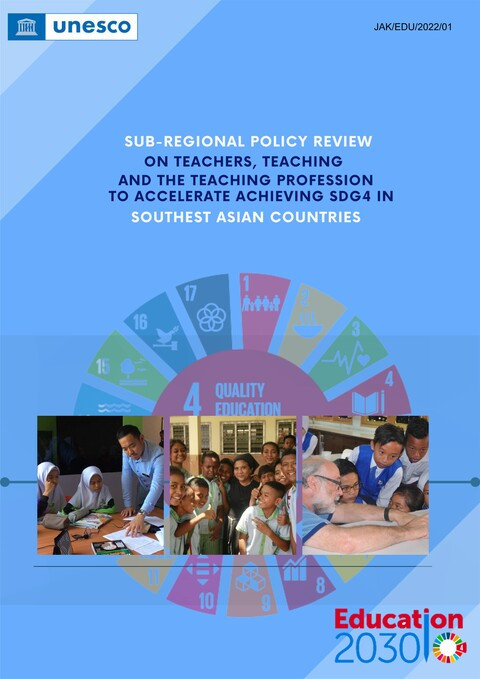 Sub-regional Policy Review on Teachers, Teaching and the Teaching Profession to Accelerate Achieving SDG4 in Southeast Asian Countries 발행 연도: 2022 저자: Azlina Abdul Aziz | Kamisah Osman | Khairul Farhah Khairuddin | Meeyoung Choi 단체 저자: UNESCO Jakarta The objectives of this report are to analyse existing national policies related to Teachers, Teaching and the Teaching Profession and examine their implementation in the five UNESCO cluster countries, namely Brunei, Indonesia, Malaysia, the Philippines and Timor-Leste. Eight themes have emerged from the systematic review of literature and they are i) Teacher Standard Competence, ii) Teacher professional Development, iii) Teacher Support, iv) Teaching Quality, v) Formative and Summative Assessment Framework on Teaching, vi) Showcasing and Rewarding Best Teaching Practices, vii) Teacher Professionalism and finally viii) Teacher Career Development.