
자료
세계시민교육에 대한 이해를 넓히고 연구, 옹호 활동, 교수, 학습 등을 향상시킬 수 있는 다양하고 유용한 자료를 찾아보세요.
3,500 건의 결과가 검색되었습니다
 Opportunities for Media and Information Literacy in the Middle East and North Africa: Yearbook 2016 발행 연도: 2016 저자: Magda Abu-Fadil | Jordi Torrent | Alton Grizzle 단체 저자: International Clearinghouse on Children, Youth and Media (Sweden) Opportunities for Media and Information Literacy in the Middle East and North Africa is the seventeenth Yearbook published by the Clearinghouse and fills a gap in the existing body of literature about the progress of media and information literacy work in different parts of the world. This book also helps educators in the Middle East and North Africa region looking for opportunities to bring to their classrooms elements of MIL education.
 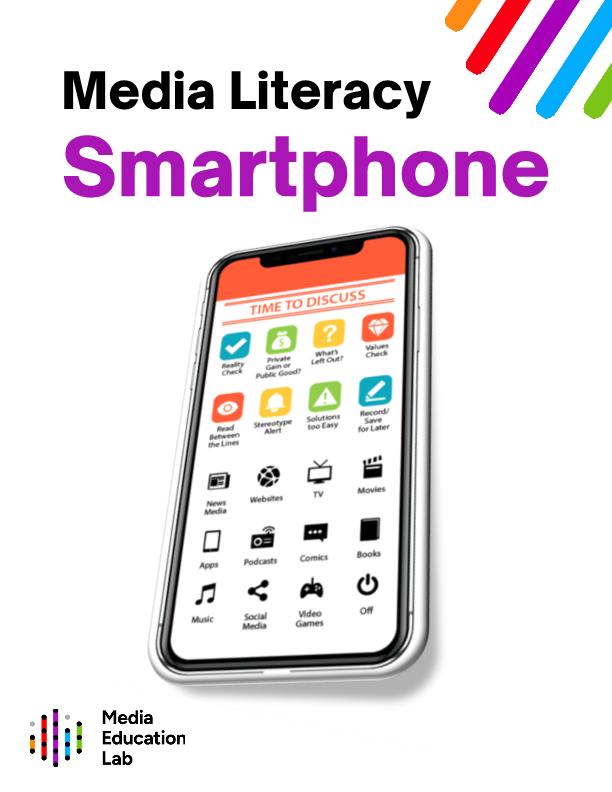 Media Literacy Smartphone 발행 연도: 2020 저자: Renee Hobbs | Pam Steager 단체 저자: Media Education Lab Learn how to use the Media Literacy Smartphone with learners of all ages! Download the free Learning Guide to bring the power of media literacy analysis to your learners!These easy-to-use cards, shaped exactly in the size of a smartphone, are available to educators for classroom use. You can use these simple paper cards to introduce a structured approach that helps students learn to critically analyze any media text --- web sites, books, advertising, news, TV shows, movies, video games, magazines and music. One side of the smartphone displays the various "apps" for analyzing a media text and the other side displays the "five critical questions" of media literacy developed by Renee Hobbs.Pair the smart phone with the LOVE IT OR HATE IT cards for a dynamic and fun learning experience.
  Teaching Media Production Online During a Pandemic: Brief Report Submitted to PBS NewsHour Student Reporting Labs 발행 연도: 2020 저자: Yonty Friesem 단체 저자: Media Education Lab How are media production teachers coping with remote video production with students?Starting in mid-March, US schools moved to remote instruction due to COVID-19 pandemic. Media production teachers had to shift their teaching to online without the possibility to use their high-end equipment in school. This report showcase the findings from Dr. Yonty Friesem’s research with media teachers who used the curriculum of PBS NewsHour Student Reporting Lab as they adapt to online and remote instruction. Dr. Friesem shared the report with PBS NewsHour Student Reporting Lab and the audience of the webinar.
  How to Understand Misinformation, Disinformation and Malinformation 발행 연도: 2020 단체 저자: Shout Out UK | U.S. Embassy London | Association for Citizenship Teaching (ACT) We live in a world where information is very easy to fabricate. Now more than ever, media literacy (the ability to critically analyse information) is critical for us as citizens and for our democracy to function. This video explains the difference between Misinformation, Disinformation and Malinformation and presents you with some examples! This video is part of a resource pack created and designed by Shout Out UK, supported by the US Embassy in London and in collaboration with the Association For Citizenship Teaching.For more info: https://www.shoutoutuk.org/media-literacy/
 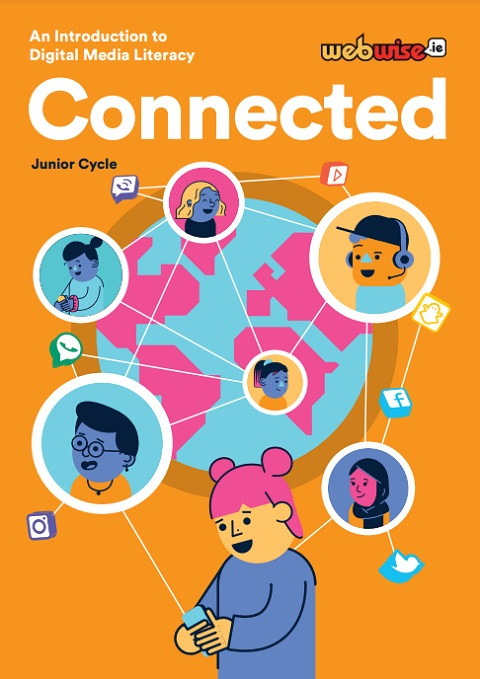 Connected: An Introduction to Digital Media Literacy 발행 연도: 2020 단체 저자: Webwise | Professional Development Service for Teachers (PDST) Connected comprises five modules exploring young people’s rights and responsibilities online, emerging digital technologies and topics including big data and the data economy, deep fakes, false information and online wellbeing. The five modules are:1. My Online Wellbeing2. News, Information and Problems of False Information3. Big Data & the Data Economy4. My Rights Online5. Publishing Online - Group ProjectThe programme is mapped to the Junior Cycle Digital Media Literacy Short Course and will give students an understanding of the role of digital technologies and will help students develop key digital media literacy skills to responsibly navigate the online environment.
  Information Neighbourhoods 발행 연도: 2020 단체 저자: Shout Out UK | U.S. Embassy London | Association for Citizenship Teaching (ACT) We live in a world where information has a variety of purposes. So how can you identify what each type of information is trying to do? Now more than ever, media literacy (the ability to critically analyse information) is critical for us as citizens and for our democracy to function. This video explains what Information neighbourhoods exist and how to identify them.
  Media Literacy: Implementation Toolkit 발행 연도: 2019 단체 저자: Regional Educational Media Center (REMC) Association of Michigan This toolkit has been designed to support educators as they introduce students to the process of finding, organizing, using, producing, evaluating, and distributing information in a variety of media formats.The toolkit contains resources organized into six sections:Organizations Supporting Media Literacy EducationEducator ToolkitsCurriculum ResourcesInteractive Student Apps, Experiences, and ChallengesProfessional Development for Media LiteracyTools to Support Media Literacy
 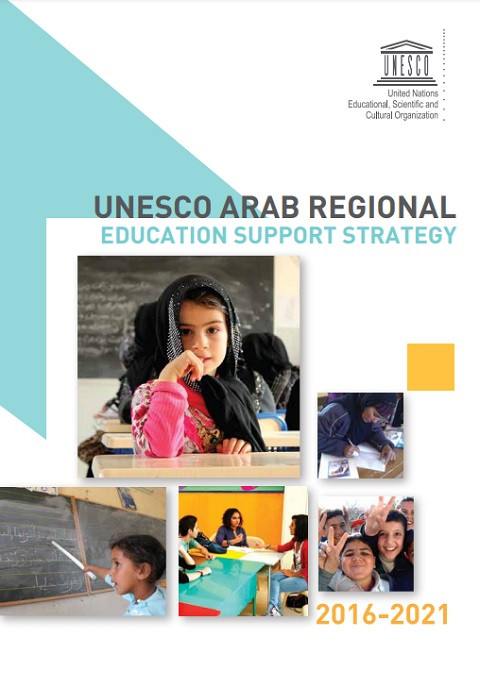 UNESCO Arab Regional Education Support Strategy: 2016-2021 발행 연도: 2016 단체 저자: UNESCO Beirut Covering the period of 2016-2021, this strategy document aims to provide tangible support for each Member State in the Arab Region, taking into account national needs and priorities and thus employing nationally relevant approaches based on the Agenda 2030 for Sustainable Development.
 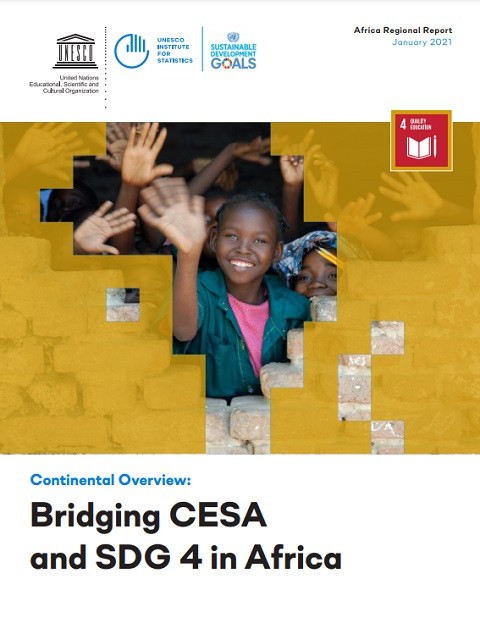 Continental Overview: Bridging CESA and SDG 4 in Africa; Africa Regional Report 발행 연도: 2021 단체 저자: UNESCO Institute for Statistics (UIS) Monitoring progress toward Sustainable Development Goal 4 for education (SDG 4) is crucial to ensuring that children around the world have access to a quality education where they can learn and gain the skills they need to meet their full potential. SDG 4 indicators are organized with a view to global, thematic, regional and national targets.This report by the UNESCO Institute for Statistics (UIS) is the first in a series intended to bring a regional focus to SDG 4 monitoring, highlight the work being done in the regions and compare SDG 4 targets with those established by regional bodies.This new series of regional reports serve two purposes. Firstly, to map regional and SDG 4 targets to provide an overview of the symmetries between the two. Continental Overview: Bridging CESA and SDG 4 in Africa looks at how the strategic objectives of the Continental Education Strategy for Africa (CESA) compares with SDG 4 targets. Secondly, it analyses progress towards these objectives by African sub-regions.
 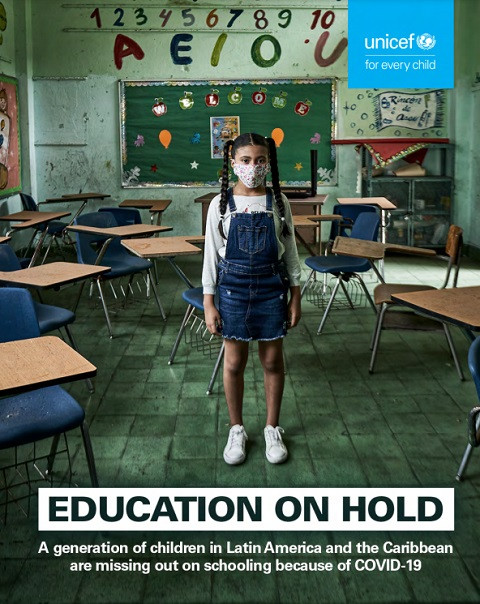 Education on Hold: A Generation of Children in Latin and the Caribbean Are Missing Out on School Because of COVID-19 발행 연도: 2020 저자: Laura Andreea Seusan | Rocío Maradiegue 단체 저자: United Nations Children's Fund (UNICEF) More than seven months into the pandemic, COVID-19 is putting education on hold for more than 137 million children in Latin America and the Caribbean. This is according to a new UNICEF report about the devastating impacts of COVID-19 on education. The report also finds that COVID-19 has further widened the education gaps between rich and poor families in Latin America and the Caribbean. New UNICEF data shows that the percentage of children not receiving any form of education across the region has soared dramatically, from 4 to 18 per cent in the past few months. UN projections reveal that COVID-19 may push up to 3 million additional children out of school in Latin America and the Caribbean.