
자료
세계시민교육에 대한 이해를 넓히고 연구, 옹호 활동, 교수, 학습 등을 향상시킬 수 있는 다양하고 유용한 자료를 찾아보세요.
3,530 건의 결과가 검색되었습니다
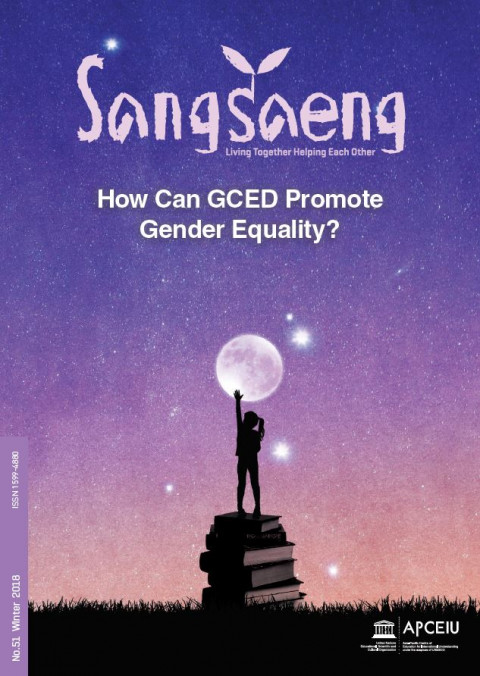 어떻게 세계시민교육이 성 평등에 기여할 수 있을까? (상생 제51호 2018년 겨울호) 발행 연도: 2018 단체 저자: 유네스코 아시아태평양 국제이해교육원 상생 51호는 “어떻게 세계시민교육이 성 평등에 기여할 수 있을까?”라는 주제로 성 평등을 강화하기 위한 세계시민교육의 역할을 다룬다. 이번 호를 통하여 독자들은 세계시민교육이 추상적인 것이 아니라, 우리의 실제 삶과 관련이 있으며, 많은 사회에서 만연한 성 역할, 기대, 고정관념에 대해 의문을 던지는 교육이며, 더욱 평등한 사회를 만드는 데 기여하는 주요한 촉진제가 될 수 있음을 깨닫게 될 것이다. 3 발간사4 스페셜 칼럼 : 성 평등을 증진시키는 도구들 8 포커스: 어떻게 세계시민교육이 성 평등에 기여할 수 있을까?8 과학계에 도입하는 성 평등12 더 나은 세상을 위해 힘쓰는 여성들15 소녀 교육을 위한 Tado의 세계시민교육 원칙 세우기18 다음 세대의 남성들을 양성하는 길 22 모범 사례22 세계시민교육을 통한 세네갈의 성 평등 증진26 중앙아시아 학생들의 창의적이고 실제적인 능력 향상을 위한 세계시민교육 사례 연구29 스페셜 리포트 : 3차 세계시민교육 국제회의: 세계시민교육을 위한 탄탄하고 지속 가능한 플랫폼을 위하여 32 인터뷰 : 필리핀에서 여성 교육 향상에 힘쓰는 세 명의 젊은 연구자들과의 인터뷰35 유스 네트워크 : 위기 상황에 적용한 세계시민교육38 시 : 우리의 칼집에 꽂힌 검42 내 기억 속의 평화 : 성별을 숨기고 살아야 하는 아프가니스탄 소녀 이야기46 아시아-태평양 지역 이해하기 : 5개의 ‘스탄’ 국가에 인권의 나무를 접붙이다50 교육원 활동
 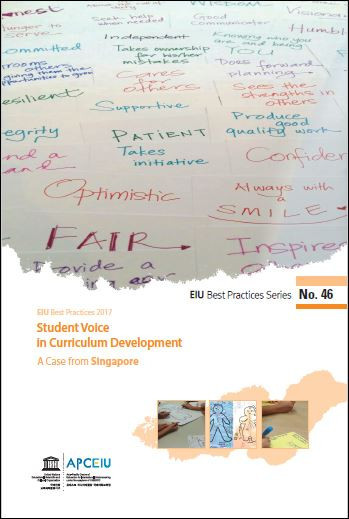 EIU Best Practices Series No.46: Student Voice in Curriculum Development 발행 연도: 2017 단체 저자: APCEIU This monograph is one of APCEIU's EIU Best Practices Series, which aims to encourage educators, scholars, and activists to implement and share local initiatives on EIU. The Series No. 46 introduces a programme called “Student Voice in Curriculum Development.” By giving students a voice as leaders, the programme reinforces students to take ownership of their own learning and growth particularly since leadership development is a life-long journey that extends beyond the students’ time in school. This exemplary programme brings teachers and students to work together on identifying what student leadership is and developing a complementary curriculum.
 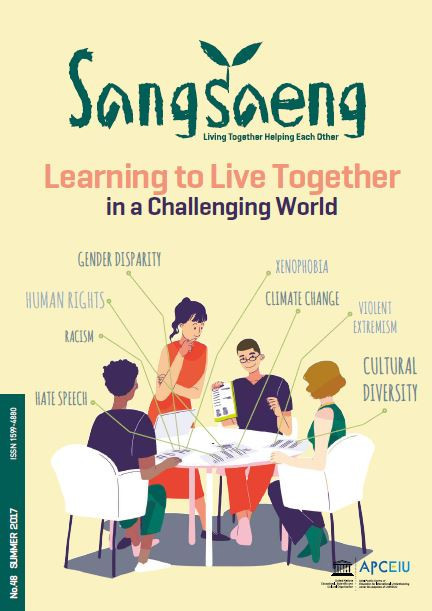 Learning to Live Together in a Challenging World (SangSaeng no. 48 summer 2017) 발행 연도: 2017 단체 저자: APCEIU The 48th issue of SangSaeng, “Learning to Live Together in a Challenging World,” has been published. With nationalism on the rise and support for populist perspectives, this edition of SangSaeng emphasizes the global community’s efforts for tolerance and learning to live together. It contains articles reminding us of the importance of empowering learners to assume active roles to face and resolve global challenges. 3 Director’s Message4 Special Column4 Education of Harmony, Peace and Happiness8 We Must Educate Global Citizens to Sustain Peace in the World11 Focus: Learning to Live Together in a Challenging World11 Access to Equitable Quality Education.14 How Business Helps People Learn to Live and Work Together17 Challenges in the Horn of Africa and Desire for Human Dignity20 Ethnic Identity in the Era of Minority Recognition 23 Special ReportShrinking Spaces: A Perspective from Iraq26 Best Practices26 Free2Choose-Create30 Strengthening Literacy Learning in Lesotho35 Youth NetworkGCED & Youth: An Open Forum in Jeju38 InterviewThe Power of Music: An Agent of Transformation42 Understanding the Asia-Pacific Region42 Naadam: A Celebration of Culture46 Bomena in Bhutan50 APCEIU in Action 더불어 살아가기 위한 교육이 직면한 도전 (상생 제48호 2017년 여름호) 발행 연도: 2017 단체 저자: 유네스코 아시아태평양 국제이해교육원 48호 <상생>이 “더불어 살아가기 위한 교육이 직면한 도전”이라는 주제로 발간되었다. 이번 호는 국가이기주의와 포퓰리즘 등 도전적인 상황 속에서 관용과 더불어 살아가기 위한 교육(Learning to Live Together)을 지켜나가는 국제사회의 노력을 살펴보고, 학습자들이 도전적인 상황을 직면하고 적극적인 역할을 수행하도록 역량을 키우는 것이 얼마나 중요한지 일깨워준다. 3 발간사4 스페셜 칼럼4 공존과 평화, 행복을 위한 교육8 우리는 세계평화를 지속시키기 위해 세계시민교육을 해야 한다11 포커스: 더불어 살아가기 위한 교육이 직면한 도전11 질적 교육에 평등하게 접근하기14 비즈니스가 함께 살고 일하도록 가르치는 방법17 아프리카 북동부 지역의 인간존엄을 향한 열망과 도전20 소수자 인정 시대의 종족 정체성 23 스페셜 리포트축소되는 공간: 이라크의 관점26 국제이해교육 모범사례26 안네프랑크하우스 Free2Choose-Create30 레소토 리터러시 교육 강화35 유스네트워크세계시민교육과 청년: 제주포럼38 인터뷰음악의 힘: 변혁의 주체42 아시아태평양 지역 이해하기42 나담: 축하의 문화46 부탄 보메나50 교육원 활동
 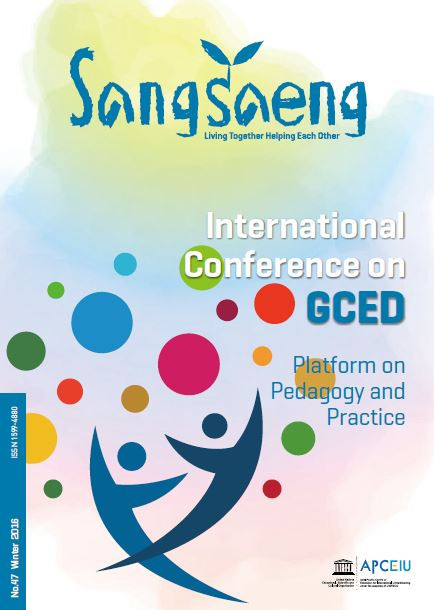 1st International Conference on GCED (SangSaeng no. 47 winter 2016) 발행 연도: 2017 단체 저자: APCEIU The 47th issue of SangSaeng, a special edition dedicated to the successful hosting of the 1st International Conference on GCED, has been released. This winter edition introduces how the Conference served as a platform for sharing GCED ideas. This issue also covers the various sessions conducted at the Conference and highlights some of the important moments. 3 Director’s Message4 Introduction to the Conference5 Outside the Sessions6 Opening CeremonyThe Rise of GCED and APCEIU’s Role in Promoting GCED Worldwide10 Focus10. [Keynote Session] GCED for Sustainable and Peaceful Societies: What Practices and Pedagogies? 16 Panel Discussion] What Does It Mean to Be a Global Citizen22 [GCED Talks] Learning to Live Together28 Concurrent Session IActors of GCED32 Concurrent Session IIThematic Approaches to GCED36 Concurrent Session IIILearning Process and Assessment 40 After the Conference42 Best Practices42. Planting the Seeds of Bhutan’s Agricultural Progress46 Little Circle for Embracing Diversity, Bridging Differences50 LetterCJK Youths as Global Citizens: Sharing Perspectives, Extending Identities 제1회 세계시민교육 국제회의 (상생 제47호 2016년 겨울호) 발행 연도: 2017 단체 저자: 유네스코 아시아태평양 국제이해교육원 47호 <상생>이 제 1회 세계시민교육 국제회의의 성공적 개최를 소개하는 특집호로 발간되었다. 이번 겨울호는 이번 국제회의가 어떤 방식으로 세계시민교육에 대한 경험과 활동을 공유하는 장을 제공하였는지 살펴보고, 회의를 구성한 각 섹션에서 다루어진 내용들을 소개한다. 3 발간사4 국제회의 소개5 회의장 밖에는 (기타행사)6 개회사세계시민교육의 부상과 아태교육원의 역할10 포커스[기조세션] 지속가능하고 평화로운 사회를 만들기 위한 세계시민교육: 어떤 실천과 페다고지가 필요한가? 16 [패널토크] 내가 생각하는 세계시민이란?22 [GCED Talks] 더불어 살기 위한 교육28 분과세션 I세계시민교육 실천가32 분과세션 II세계시민교육의 주제별 접근36 분과세션 III세계시민교육의 학습과정 및 평가 40 국제회의를 마치며참가자들의 후기42 국제이해교육 모범사례42 부탄의 농업 발전에 싹을 틔우기46 차이를 받아들이고 다양성을 육성하는 NGO, Little Circle50 APCEIU에 보내는 편지세계시민이 된 한·중·일 대학생, 관점을 나누고 경계를 허물다
 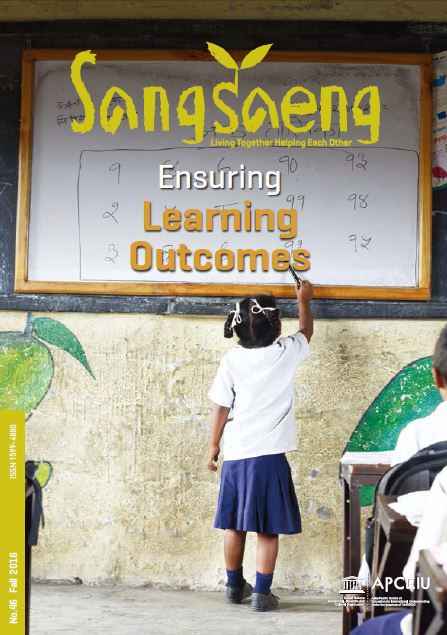 Ensuring Learning Outcomes (SangSaeng no. 46 Fall 2016) 발행 연도: 2016 단체 저자: APCEIU The 46th issue of SangSaeng, “Ensuring Learning Outcomes,” has been released. With the Education 2030 Agenda emphasizing the role of measuring quality education outcomes, this fall edition of SangSaeng reviews the current assessment systems and introduces the ongoing struggles and endeavors in developing better measuring tools. 3 Director’s Message4 Special ColumnLearn to Live Together: Pillars of Education Start with Learn8 Focus: Ensuring Learning Outcomes8 Preparing Learners for a Different Future: Monitoring Education for Sustainable Development and Global Citizenship in the New Education Era14 Monitoring Knowledge for Better Learning Outcomes: The Southeast Asia Primary Learning Metrics’ Contribution to Global Citizenship and Its Measurement18 Competences for Democratic Culture: A Council of Europe Project for Teaching and Assessing the Democratic Competence of Student24 From 21st Century Competences to Global Citizenship and Global Competences 28 Special ReportExperiences and Difficulties of a Society: Developing Socio-cultural Skills of Kyrgyzstan Students34 Best Practices34 Embracing Sustainability: You Can Make a Difference39 Student Empowerment through Values in Action (SEVA): Training Students to Express Opinions, Reflect, Critically Evaluate,and Appreciate One’s Own Values and Those of Others44 LetterBe Global with a Compassionate Heart46 Peace in My MemoryFood for Peace in the 21st Century50 APCEIU in Action
 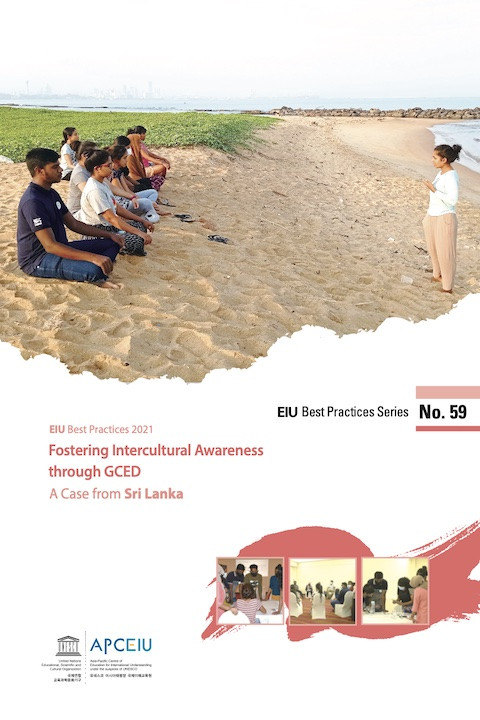 EIU Best Practices 2021: Fostering Intercultural Awareness through GCED; A Case from Sri Lanka (EIU Best Practices Series; no.59) 발행 연도: 2021 저자: Oshan Madushanka Gunathilake 단체 저자: APCEIU This monograph is one of APCEIU's EIU Best Practices Series, which aims to encourage educators, scholars, and activists to implement and share local initiatives on EIU. The Series No.59 introduces ‘Citizen Culture’ which is designed to foster intercultural and interreligious understanding within youth communities through the theories and learnings of GCED. The programme focused on a selected group of young individuals who are representing both vulnerable communities as well as privileged, also belonging to a diverse mixture of cultural, religious, social and ethnic backgrounds. The learners will go into their respective communities and spread this message as agents of positive change and actively contribute to the social cohesion, trust and awareness building through volunteer participation for transforming popular harmful narratives and practices which are structured in our society - cultivating a culture of peace.
 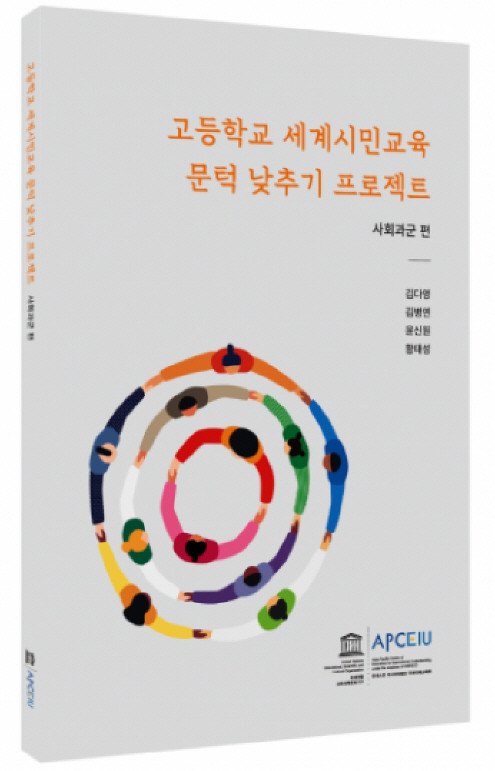 고등학교 세계시민교육 문턱 낮추기 프로젝트 – 사회과군 편 발행 연도: 2021 저자: 김다영 | 김병연 | 윤신원 | 황태성 단체 저자: 유네스코 아시아태평양 국제이해교육원 유네스코 아태교육원은 ⟪고등학교 세계시민교육 문턱 낮추기 프로젝트 – 사회과군 편⟫을 발간했다. ⟪고등학교 세계시민교육 문턱 낮추기 프로젝트⟫의 첫 시리즈인 이 책은 보다 많은 고등학교 선생님들이 학교 현장에서 세계시민교육을 실천할 수 있도록 진입장벽을 낮추고자 기획되었다. 특히 세계시민교육 관련 내용이 많이 포함되어 있는 사회과군 선생님들이 실제 수업에서 진행한 세계시민교육 교수학습 사례를 담았다. <목차>서문1장. 질문과 토론으로 이어가는 세계시민교육 1.1. 자문자답(自問自答), 저를 소개합니다 1.2. 2021년, 수업을 이렇게 설계했어요 1.3. 학생들과 함께 수업을 만들어갔어요사례 1] 불평등 현상과 사회정의사례 2] 사회정의 관점에서 세계화 바라보기사례 3] 평화의 관점에서 통일 문제 탐구 1.4. 수업을 되돌아보며 2장. 지구적으로 생각하고 지역적으로 행동하는 우리는 ‘세계시민’ 2.1. 선생님은 왜 ‘세계시민교육’을 하나요? 2.2. ‘세계시민교육’, 어렵지 않아요!사례 1] 세계화와 먹거리 문제사례 3] 지속가능발전을 위한 국제개발협력의 주체사례 2] 기후 위기와 지속가능한 세계 2.3. 미래 세대를 위한 교육, 우리 함께해요 3장. 지역이해와 활동 중심으로 구성하는 세계시민교육 3.1. 세계시민교육, 이렇게 만났어요 3.2. 세계시민교육, 무엇부터 시작해야 할까요? 3.3. 세계시민교육과 연결성사례 1] 영상을 통한 자연과 인간과의 관계 이해하기사례 2] 모둠 활동을 통한 나와 지역사회 연결하기 3.4. 세계시민교육과 인권사례 1] 세계인권선언 그림 카드 만들기사례 2] 인권 시 작성하고 낭송하기 3.5. 다문화교육과 세계시민교육사례 1] 영상을 통한 다문화교육사례 2] 포토스탠딩을 통한 다문화교육 3.6. 실천을 통한 세계시민교육사례 1] 100원 경매를 통한 기부 활동사례 2] SDGs 이해하고 실천하기 3.7. 글을 마치며
  Peace Education in Northeast Asia: A Situational Analysis 발행 연도: 2021 저자: Soonwon Kang | Cheng Liu | Ketei Matsui | Batbaatar Monkhooroi | Boyoung Park | Muyu Huang | Oyuntsetseg Dugarsuren 단체 저자: APCEIU Being central to education for international understanding and global citizenship, peace education has always been an important theme in UNESCO. For effective delivery of peace education, it is critical to examine and understand the relevance of peace education and its key issues and approaches at a given juncture. With this in mind, in 2020, APCEIU conducted a study on peace education in South Korea to review its current state and suggest some policy recommendations. Following up on this study, APCEIU initiated in 2021 a research project on peace education in Northeast Asia in order to identify how peace education is interpreted and practised in the countries of the region and explore possibilities of cooperation among peace educators, researchers, and practitioners in the region. Building on this research, APCEIU hopes to develop and carry out joint projects for peace education in the region.