
자료
세계시민교육에 대한 이해를 넓히고 연구, 옹호 활동, 교수, 학습 등을 향상시킬 수 있는 다양하고 유용한 자료를 찾아보세요.
3,500 건의 결과가 검색되었습니다
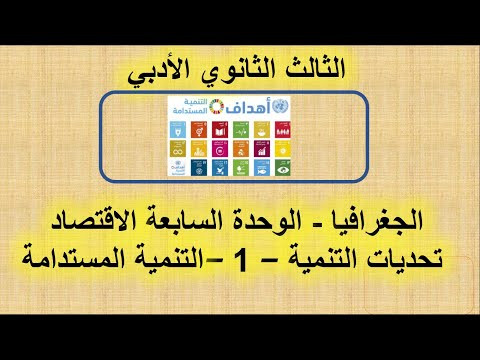 أدبي وحدة الاقتصاد 발행 연도: 2021 단체 저자: Luqman Education يقدم الفيديو أحد دروس مادة الجغرافيا بالصف الثالث الثانوي الأدبي بالجمهورية السورية. ويركز الفيديو عل التحديات التي تواجه الشعوب في تحقيق التنمية المستدامة. ويستعرض الفيديو الأهداف 17 لأهداف التنمية المستدامة.
 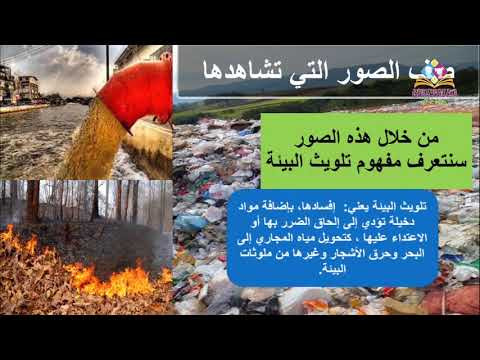 The Prohibition of Environmental Pollution 발행 연도: 2020 단체 저자: Smart Students Schools The video is an explanation of the lesson "Prohibition of Environmental Pollution" for the fifth grade. In which the teacher provided an explanation for the students about the concept of the environment and examples of its pollution. The teacher also shows the position of the Islamic religion on environmental pollution. Finally, the teacher reviews some solutions to preserve the environment and also reviews the efforts of the Sultanate of Oman in preserving the environment. النهي عن تلوث البيئة 발행 연도: 2020 단체 저자: Smart Students Schools الفيديو عبارة عن شرح لدرس " النهي عن تلوث البيئة" للصف الخامس. تقدم فيه الأستاذة شرحا للطلبة عن مفهوم البيئة وأمثلة على تلوثها. وتبين الأستاذة أيضا موقف الدين الإسلامي من تلوث البيئة. وتستعرض الأستاذة فب النهاية بعض الحلول للحفاظ على البيئة وأيضا تستعرض جهود سلطنة عمان في الحفاظ على البيئة.
  Leveraging Artificial Intelligence to Enhance Early Action towards the Kunming-Montreal Global Biodiversity Framework 발행 연도: 2024 저자: Nicole DeSantis | Lea Phillips | Christina Supples | Julien Pigot | Jamison Ervin | Doley Tshering | Juan Calles Lopez | Dharshani Seneviratne | Enrique Paniagua | Monica Mora 단체 저자: United Nations Development Programme (UNDP) This publication releases the methodology behind the National Biodiversity Strategies and Action Plans (NBSAP) Target Similarity Assessments and identifies key lessons learned and opportunities for future applications.
  Prepare to Act!: Practical Tips for Climate Advocacy and Action; Climate Glossary for Young People 발행 연도: 2024 단체 저자: UNICEF Uzbekistan The Toolkit for Young Climate Activists in Uzbekistan was created by young people who, like you, are concerned about our planet's situation and who, as activists, have faced many challenges when advocating and taking action. Main goal is to share clear, concise, easily understandable information that describes the course of global, regional and national climate action, in order to prepare you for full and informed participation. Приготовьтесь действовать!: Практические советы по защите окружающей среды и борьбе с изменением климата; Климатический глоссарий для молодёжи 발행 연도: 2024 단체 저자: UNICEF Uzbekistan Инструментарий для молодых активистов в области изменения климата в регионе Латинской Америки и Карибского бассейна был создан молодыми людьми, обеспокоены ситуацией, сложившейся на нашей планете и которые, будучи активистами, столкнулись со многими проблемами при отстаивании интересов и принятии мер по борьбе с изменением климата. Цель - поделиться четкой, краткой и понятной информацией, описывающей ход глобальных, региональных и национальных действий в области изменения климата с тем, чтобы подготовить вас к активному и осознанному участию в них.
  Sustainable Development and Responsible Citizenship 발행 연도: 2021 단체 저자: Argentina. Ministry of Education Social inequalities, epidemics and ecological disasters seem to be at an all-time high. Therefore, it is necessary for governments to recognize the freedoms and obligations to exercise responsible citizenship. This resource was developed within the framework of the Seguimos Educando Program, which during 2020 and 2021 allowed, through different means, students to remain in contact with school. The proposed activities and content are guided by the Priority Learning Cores common to the entire country. Desarrollo sustentable y ciudadanía responsable 발행 연도: 2021 단체 저자: Argentina. Ministry of Education Las desigualdades sociales, las epidemias y los desastres ecológicos parecen estar en su punto más alto. Por ello, es necesario que los gobiernos reconozcan las libertades y obligaciones para ejercer una ciudadanía responsable. Este recurso fue elaborado en el marco del Programa Seguimos Educando, que durante 2020 y 2021 permitió, a través de distintos medios, que las y los estudiantes siguieran en contacto con la escuela. Las actividades y contenidos propuestos están orientados por los Núcleos de Aprendizajes Prioritarios comunes para todo el país.
  Podcast: Learning for the Future; Education for Sustainability 발행 연도: 2024 저자: Alicia Santi | Maximiliano Molina 단체 저자: Chile Foundation | Educarchile In this edition of the podcast: Learning for the Future, we develop, together with CEDEUS, the topic of "Education for Sustainability" and the multidimensional view of this phenomenon in educational establishments. Podcast: Aprendizaje para el futuro; Educación para la sustentabilidad 발행 연도: 2024 저자: Alicia Santi | Maximiliano Molina 단체 저자: Chile Foundation | Educarchile En esta edición del podcast: Aprendizaje para el Futuro desarrollamos, junto a CEDEUS, el tema de la "Educación para la Sustentabilidad" y la mirada multidimensional de este fenómeno en los establecimientos educacionales.