
자료
세계시민교육에 대한 이해를 넓히고 연구, 옹호 활동, 교수, 학습 등을 향상시킬 수 있는 다양하고 유용한 자료를 찾아보세요.
3,530 건의 결과가 검색되었습니다
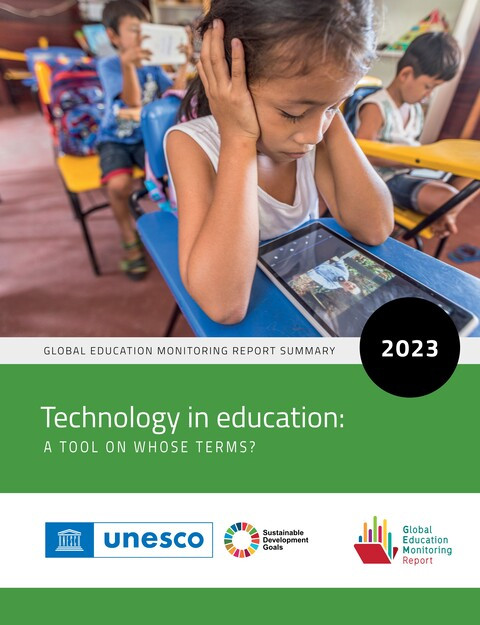 [ملخص] ملخص التقرير العالمي لرصد التعليم 2023: التكنولوجيا في التعليم؛ أداة بشروط من؟ 발행 연도: 2023 단체 저자: منظمة الأمم المتحدة للتربية والعلم والثقافة (UNESCO) | Global Education Monitoring Report Team دور التكنولوجیا في التعلیم قد أثار جدلاً شدیداً لفترة طویلة. ھل تدیمقراطیة المعرفة أو تھدد ً الدیمقراطیة من خلال السماح للقلة بالسیطرة على المعلومات؟ ھل توفر فرصا لا حدود لھا أم تقود إلى مستقبل یعتمد على التكنولوجیا دون رجوع؟ ھل تعمل على مستوى المیدان أم تزید من التفاوت؟ ھل یجب استخدامھا في تعلیم ا ً لأطفال الصغار أم أن ھناك خطرا على تطورھم؟ تم تأجیج ھذا الجدل بسبب إغلاق المدارس بسبب جائحة كوفید-19 وظھور الذكاء الاصطناعي الذي یولد ذاتیًا . ولكن نظرا لأن المطورین غالبًا ما یتقدمون على صانعي القرار بخطوة، فإن البحث في تكنولوجیا التعلیم معقد. تكاد الأدلة القویة والمحایدة تكون نادرة. ھل المجتمعات تطرح حتى الأسئلة الصحیحة حول التعلیم قبل أن تلجأ إلى التكنولوجیا كحلاً؟ ھل تدرك المخاطر المرتبطة بھا بینما تسعى إلى استثمار فوائدھا ؟ للتكنولوجیا وسائل كبیرة لدعم العدالة والشمول من حیث الوصول إلى المتعلمین المحرومین ونشر المزید من المعرفة بتنسیقات جذابة وبأسعار معقولة. في سیاقات معینة ولبعض أنواع التعلم، یمكن ً لرقمیة جزءا من أن تحسن جودة التدریس وتعلم المھارات الأساسیة. بلا شك، أصبحت المھارات ا حزمة المھارات الأساسیة. یمكن للتكنولوجیا ا ً لرقمیة أیضا دعم الإدارة وزیادة الكفاءة عن طریق مساعدة في التعامل مع أحجام أكبر من بیانات التعلی م ولكن قد تستبعد التكنولوجیا أیضا وقد تكون غیر ذات صلة وعبئاً، إن لم تكن ضارة على الإطلاق. یحتاج الحكومات إلى ضمان الشروط المناسبة لتمكین الوصول العادل للتعلیم للجمیع، وتنظیم استخدام التكنولوجیا لحمایة المتعلمین من تأثیراتھا السلبیة، وتأھیل المعلمی ن. یوصي ھذا التقریر بأن تُ ً قدم التكنولوجیا في التعلیم استنادا إلى الأدلة التي تظھر أنھا ستكون مناسبة وعادلة وقابلة للتوسیع ومستدامة. بعبارة أخرى، یجب أن یكون استخدامھا في مصلحة المتعلمین وأن تكمل التفاعل الشخصي مع المعلمین. یجب أن تُعتبر أداة للاستخدام على ھذه الش روط. في منتصف المدة نحو الموعد النھائي، یقیّم تقریر المراقبة العالمي للتعلیم لعام 2023 المسافة التي لا یزال علیھا أن تقطع للوصول إلى أھداف التعلیم لعام 2030 .التعلیم ھو المفتاح لتحقیق أھداف التنمیة الأخرى، ولا سیما ھدف التقدم التكنولوجي. [Summary] Global Education Monitoring Report Summary 2023: Technology in Education; A Tool on whose Terms? 발행 연도: 2023 단체 저자: UNESCO | Global Education Monitoring Report Team Technology’s role in education has been sparking intense debate for a long time. Does it democratize knowledge or threaten democracy by allowing a select few to control information? Does it offer boundless opportunities or lead towards a technology-dependent future with no return? Does it level the playing field or exacerbate inequality? Should it be used in teaching young children or is there a risk to their development? The debate has been fuelled by the COVID-19 school closures and the emergence of generative artificial intelligence. But as developers are often a step ahead of decision makers, research on education technology is complex. Robust, impartial evidence is scarce. Are societies even asking the right questions about education before turning to technology as a solution? Are they recognizing its risks as they seek out its benefits? Information and communication technology has potential to support equity and inclusion in terms of reaching disadvantaged learners and diffusing more knowledge in engaging and affordable formats. In certain contexts, and for some types of learning, it can improve the quality of teaching and learning basic skills. In any case, digital skills have become part of a basic skills package. Digital technology can also support management and increase efficiency, helping handle bigger volumes of education data. But technology can also exclude and be irrelevant and burdensome, if not outright harmful. Governments need to ensure the right conditions to enable equitable access to education for all, to regulate technology use so as to protect learners from its negative influences, and to prepare teachers. This report recommends that technology should be introduced into education on the basis of evidence showing that it would be appropriate, equitable, scalable and sustainable. In other words, its use should be in learners’ best interests and should complement face-to-face interaction with teachers. It should be seen as a tool to be used on these terms. Midway to the deadline, the 2023 Global Education Monitoring Report assesses the distance still to go to reach the 2030 education targets. Education is the key to unlocking the achievement of other development objectives, not least the goal of technological progress. [Resumen] Resumen del informe de seguimiento de la educación en el mundo 2023: tecnología en la educación; ¿una herramienta en los términos de quién? 발행 연도: 2023 단체 저자: Organización de las Naciones Unidas para la Educación, la Ciencia y la Cultura (UNESCO) | Global Education Monitoring Report Team El papel de la tecnología en la educación lleva mucho tiempo suscitando intensos debates. ¿Democratiza el conocimiento o amenaza la democracia al permitir que unos pocos controlen la información? ¿Ofrece oportunidades ilimitadas o conduce a un futuro tecnodependiente sin retorno? ¿Nivela las desigualdades?¿Debe utilizarse en la enseñanza de niños pequeños o supone un riesgo para su desarrollo? El debate ha sido alimentado por el cierre de las escuelas debido al COVID-19 y la aparición de la inteligencia artificial generativa. Pero como los desarrolladores suelen ir un paso por delante de los responsables de la toma de decisiones, la investigación sobre tecnología educativa es compleja. Las pruebas sólidas e imparciales son escasas. ¿Se plantean las sociedades las preguntas adecuadas sobre la educación antes de recurrir a la tecnología como solución? ¿Reconocen sus riesgos mientras buscan sus beneficios? Las tecnologías de la información y la comunicación pueden contribuir a la equidad y la inclusión para llegar a los alumnos desfavorecidos y difundir más conocimientos en formatos atractivos y asequibles. En determinados contextos y para algunos tipos de aprendizaje, puede mejorar la calidad de la enseñanza y el aprendizaje de las competencias básicas. En cualquier caso, las competencias digitales se han convertido parte de un paquete de habilidades básicas. La tecnología digital también puede respaldar la gestión y aumentar la eficiencia, ayudando a manejar volúmenes más grandes de datos educativos. Pero la tecnología también puede excluir y ser irrelevante y onerosa, cuando no directamente perjudicial. Los gobiernos deben garantizar las condiciones adecuadas para permitir un acceso equitativo a la educación para todos, regular el uso de la tecnología para proteger a los alumnos de sus influencias negativas y preparar a los profesores. Este informe recomienda que la tecnología se introduzca en la educación sobre la base de pruebas que demuestren que sería apropiada, equitativa, escalable y sostenible. En otras palabras, su uso debe estar en el mejor interés de los estudiantes y debe complementar la interacción cara a cara con los profesores. Debe verse como una herramienta a utilizar en estos términos. A medio camino de la fecha límite, el Informe de seguimiento de la educación en el mundo 2023 evalúa la distancia que queda por recorrer para alcanzar los objetivos educativos de 2030. La educación es la clave para alcanzar otros objetivos de desarrollo, entre ellos el del progreso tecnológico.
  Greening Curriculum Guidance: Teaching and Learning for Climate Action 발행 연도: 2024 단체 저자: UNESCO This Guidance responds to the calls from young people for a holistic approach to climate change and sustainability in the curriculum. It outlines a common language on how quality climate change and sustainability can be reflected in the curriculum by setting expected learning outcomes per age group (from 5-year olds and up to 18+ age group, including a lifelong learning approach).This is crucial for accelerating country-level action and ensuring joint monitoring of progress. The objective is to have 90 per cent of all countries include climate change in their curricula by 2030, as established by the Greening Education Partnership.This Guidance aims to support countries, schools or individual practitioners in reassessing their ongoing practices to adopt a more action-oriented, holistic, scientifically accurate, justice-driven and lifelong learning approach to climate change.
  Guía para hacer verdes los currículos: enseñanza y aprendizaje para la acción climática 발행 연도: 2025 단체 저자: Organización de las Naciones Unidas para la Educación, la Ciencia y la Cultura (UNESCO) Hacer verdes los currículos con el fin de preparar a todos los estudiantes para el cambio climático. La educación es una herramienta poderosa para transformar el mundo e impulsar la acción contra el cambio climático a largo plazo.Esta guía responde a los llamados de las juventudes en favor de un enfoque holístico del cambio climático y la sostenibilidad en los planes de estudio. Define un lenguaje en común sobre cómo debe reflejarse con calidad el cambio climático y la sostenibilidad en los planes de estudio, mediante el establecimiento de los resultados de aprendizaje esperados por grupo etario (grupos de 5 años hasta mayores de 18 años, incluyendo un enfoque de aprendizaje a lo largo de toda la vida).Esto es crucial para acelerar la acción a nivel de los países y garantizar el seguimiento conjunto de los progresos. La meta es lograr que el 90 por ciento de todos los países incluyan el cambio climático en sus planes de estudio para el año 2030, según lo establecido por la Alianza para una Educación Verde.Esta guía tiene el propósito de apoyar a países, escuelas y profesionales en la revisión de las prácticas que tienen en marcha para adoptar un enfoque del cambio climático más orientado a la acción, holístico, científicamente preciso, impulsado por la justicia y con una perspectiva de aprendizaje a lo largo de toda la vida.
  The Effects of AI on the Working Lives of Women 발행 연도: 2022 저자: Clementine Collett | Gina Neff | Livia Gouvea Gomes 단체 저자: UNESCO | Inter-American Development Bank | Organisation for Economic Co-operation and Development (OECD) The use of AI technologies will affect women’s opportunities for work, and their position, status and treatment in the workplace. Around the globe, women in the labour force earn less than men, spend more time undertaking unpaid child- and elder-care jobs, hold fewer senior positions, participate less in science, technology, engineering and mathematics (STEM) fields, and tend to hold more precarious jobs overall. In harnessing AI, governments, institutions and companies must narrow gender gaps rather than perpetuate or exacerbate them. This report, by the IDB, OECD and UNESCO, outlines current knowledge of the impact that AI systems have on women’s opportunities for work, and their position, treatment and status in the workforce. It does so by exploring how AI is used within and outside the workplace, and how it could be used in the future. It looks at the potential impact of new and emerging AI technologies on the skills that employers will require, on how women look for and are hired for jobs, and on how jobs are structured through automated monitoring and oversight. The report maps the opportunities and challenges that AI presents for the working lives of women and highlights the complexities that varying national and regional contexts present for understanding the impact of AI on the work of women. The report also notes that current research does not offer a complete or definite picture of how AI impacts the working lives of women and calls for further research and analysis in this area. Los efectos de la IA en la vida laboral de las mujeres 발행 연도: 2022 저자: Clementine Collett | Gina Neff | Livia Gouvea Gomes 단체 저자: Organización de las Naciones Unidas para la Educación, la Ciencia y la Cultura (UNESCO) | Inter-American Development Bank | Organisation for Economic Co-operation and Development (OECD) El uso de tecnologías de IA afectará las oportunidades de las mujeres en el trabajo y su posición, status y tratamiento en el ámbito laboral. Alrededor del mundo, en la fuerza laboral las mujeres ganan menos que los varones, dedican más tiempo a trabajo no remunerado cuidando a niños y ancianos, tienen menos puestos sénior, participan menos en los campos de ciencia, tecnología, ingeniería y matemáticas (STEM por sus siglas en inglés) y tienden, en general, a tener trabajos más precarios. Al utilizar la IA, los gobiernos, las instituciones y las empresas deberán achicar las brechas de género y no perpetuarlas o exacerbarlas. Este informe del BID, la OCDE y UNESCO resume el conocimiento actual respecto del impacto que tienen los sistemas de IA sobre las oportunidades laborales de las mujeres, y sobre su posición, tratamiento y estatus en la fuerza laboral. En esta línea, el informe explora cómo se usa la IA dentro y fuera del ámbito laboral y cómo podría ser usada en el futuro. Mira el impacto potencial de las tecnologías de IA nuevas y emergentes sobre las habilidades que requerirán los empleadores, la manera en que las mujeres buscan empleo y son contratadas y cómo se estructuran los empleos a través del monitoreo y la supervisión automatizados. El informe presenta un mapa de las oportunidades y los desafíos que presenta la IA para la vida laboral de las mujeres y pone de manifiesto las complejidades que los diversos contextos nacionales y regionales presentan para comprender el impacto de la IA sobre el trabajo de las mujeres. El informe también toma nota de que la investigación actual no ofrece una mirada completa o definitiva respecto de cómo impacta la IA sobre la vida laboral de las mujeres e insta a la realización de más investigación y análisis en este campo. Les effets de l’IA sur la vie professionnelle des femmes 발행 연도: 2022 저자: Clementine Collett | Gina Neff | Livia Gouvea Gomes 단체 저자: Organisation des Nations Unies pour l'éducation, la science et la culture (UNESCO) | Inter-American Development Bank | Organisation for Economic Co-operation and Development (OECD) L'utilisation des technologies d'IA aura une incidence sur les opportunités de travail des femmes, ainsi que sur leur position, leur statut et leur traite,ent sur le lieu de travail. Partout dans le monde, les femmes dans la population active gagnent moins que les hommes, passent plus de temps à s'occuper des enfants et des personnes âgées sans être rémunérées, occupent moins de postes à responsabilités, sont moins présentes dans les domaines des sciences, de la technologie, de l'ingénierie et des mathématiques(STEM) et ont tendance à occuper des emplois plus précaires dans l'ensemble. En exploitant l'IA, les gouvernements, les institutions et les entreprises doivent réduire les inégalités femmes-hommes plutôt que les perpétuer ou de les exacerber. Ce rapport, rédigé par la BID, l'OCDE et l'UNESCO, présente les connaissances actuelles sur position, leur traitement et leur statut dans la population active. Pour ce faire, il explore à l'avenir. Il examine l'impact potentiel des technologies d'IA nouvelles et naissantes sur les cométences dont les employeurs auront besoin, sur la manière dont les femmes structurés grâce à un contrôle et une surveillance automatisée. Le rapport dresse la liste des opportunités et des défis que l'IA présente pour la vie professionnelle des femmes et souligne les complexités que présentent les différents contextes nationaux et régionaux pour comprendre l'impact de l'IA sur le travail des femmes. Le rapport note également que les recherches actuelles ne permettent pas de dresser un tableau complet ou précis de l'impact de l'IA sur la vie professionnelle des femmes et appelle à poursuivre les recherches et les analyses dans ce domaine.
 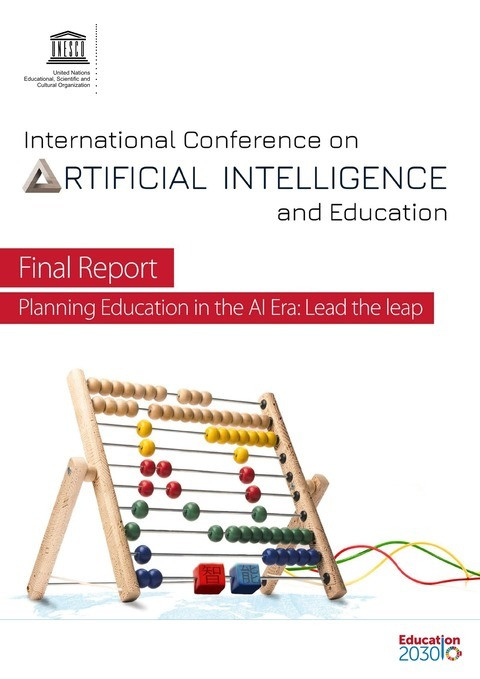 International Conference on Artificial Intelligence and Education, Planning Education in the AI Era: Lead the Leap; Final Report 발행 연도: 2019 단체 저자: UNESCO The current report is an exhaustive account of the discussion and debate at the International Conference on Artificial Intelligence and Education (hereafter referred to as ‘the conference’) held in Beijing from 16 to 18 May 2019. Under the overarching theme of ‘Planning Education in the AI Era: Lead the Leap’, the conference was structured into seven plenary sessions and 16 breakout sessions complemented by a live exhibition and study tours to facilitate forwardlooking debates, share cutting-edge knowledge and AI solutions, and deliberate on sector-wide strategies.
  Mapping Cultural Policies in Small Island Developing States: Amplifying SIDS Voices in the Global Policy Dialogue on Culture and Sustainable Development 발행 연도: 2025 단체 저자: UNESCO Mapping Cultural Policies in Small Island Developing StatesSpanning three sub-regions – the Atlantic, Indian Ocean and South China Sea (AIS), the Caribbean, and the Pacific – the Small Island Developing States (SIDS) represent 39 UNESCO Member States and 9 Associate Members. Countries and regional organizations have increasingly demonstrated their commitment in the context of fast-evolving policy landscape and cultural ecosystems, encompassing the different dimensions of culture through its diversity and a wide spectrum of concerned stakeholders. Today, a SIDS-specific, culture-led development vision is on the rise.Culture has a multifaceted impact on sustainable development pathways of the SIDS, from climate action, biodiversity protection and food security to economic diversification, social inclusion, gender equality or urban sustainability. The voices and aspirations of SIDS must be heard in the global policy dialogue, in acknowledgement of their priorities, opportunities and insights. International cooperation efforts by UNESCO and other organizations are also essential in identifying areas for future policy investment and adaptation at the national and regional levels.Following the UNESCO World Conference on Cultural Policies and Sustainable Development – MONDIACULT 2022, SIDS are championing culture for sustainable development towards the adoption of a new Programme of Action, the Antigua and Barbuda Agenda for SIDS 2024-2034.