
자료
세계시민교육에 대한 이해를 넓히고 연구, 옹호 활동, 교수, 학습 등을 향상시킬 수 있는 다양하고 유용한 자료를 찾아보세요.
3,530 건의 결과가 검색되었습니다
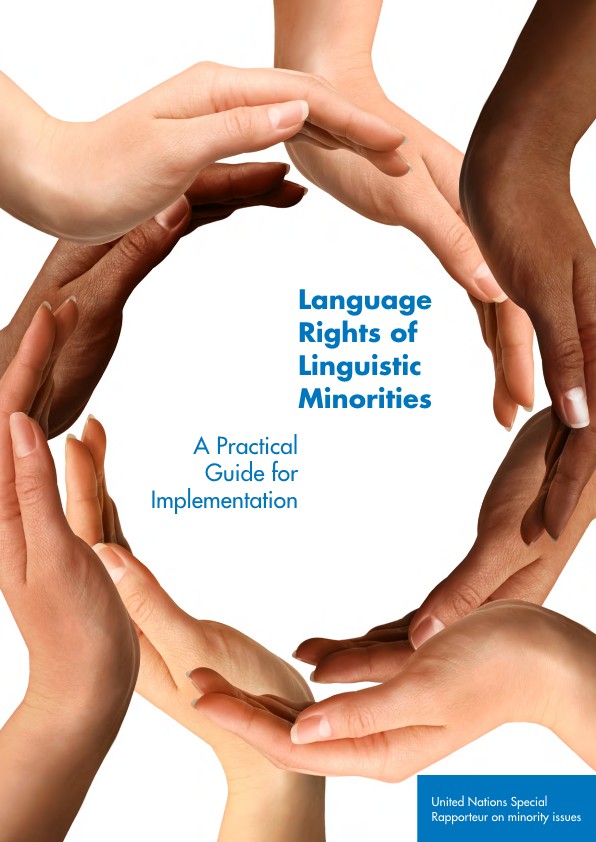 Language Rights of Linguistic Minorities: A Practical Guide for Implementation 발행 연도: 2017 단체 저자: UN. Office of the United Nations High Commissioner for Human Rights (UN. OHCHR) The purpose of this Guide is to further assist policy makers and rights holders in understanding and implementing the linguistic human rights of linguistic minorities. This touches upon the necessary balance between a state’s official language (or languages) and its obligations to use or respect the language preferences of linguistic minorities. These language rights can also contribute towards preserving the world’s linguistic diversity. The Guide aims to:● clarify what are the various human rights of linguistic minorities relevant to language use and preferences;● clarify the obligations of state authorities towards linguistic minorities;● support the development and continuous improvement of effective and cost-efficient approaches and practices for these linguistic human rights; and● promote consistent approaches to the participation and inclusion of minorities and implementation of their language rights.
 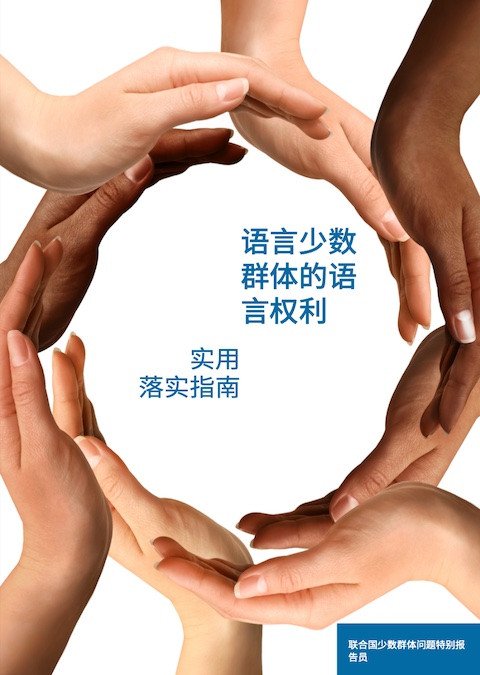 语言少数群体的语言权利:使用落实指南 발행 연도: 2017 단체 저자: UN. Office of the United Nations High Commissioner for Human Rights (UN. OHCHR) 本指南的目的在于进一步协助政策制定者及权利人全面理解语言少数群体的语言权利,便于其实施与落实。本指南希望协助在国家官方语言之间实现所需的平衡,履行使用或尊重语言少数民族语言偏好的义务,保护并推动语言权利也有助于保护世界语言多样性。本指南旨在: 阐明与语言使用及偏好相关的若干语言少数群体权利; 阐明国家当局对语言少数群体的义务; 支持通过有效方法和做法(包括经济有效的)发展和持续改进以实现语言少数群体的这些权利;以及 推动运用一贯的方法帮助少数群体参与并融入公共生活、落实其语言权利。
 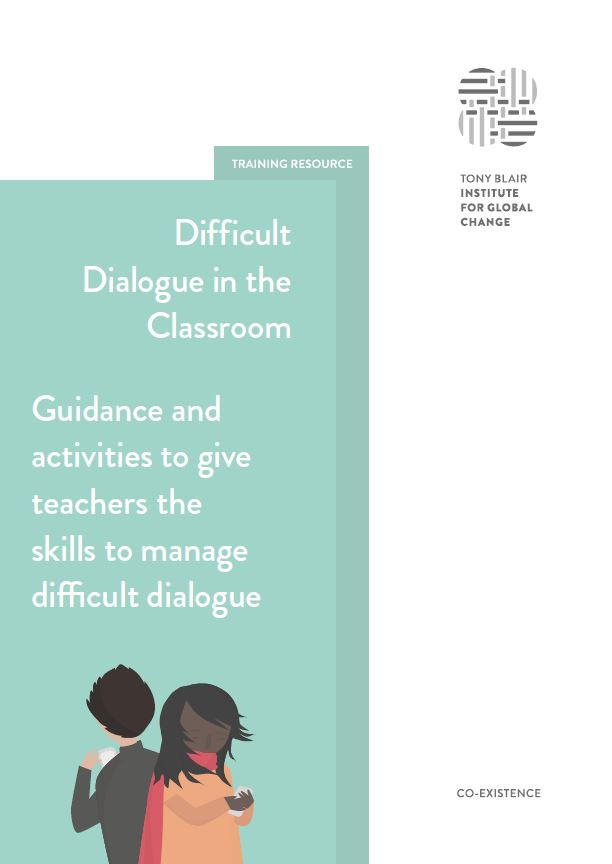 Difficult Dialogue in the Classroom: Guidance and Activities to Give Teachers the Skills to Manage Difficult Dialogue 발행 연도: 2017 단체 저자: Generation Global Difficult Dialogue is a teaching resource with theory and activities that help educators support students in engaging with challenging topics in dialogue.This resource builds on the Essentials of Dialogue, assisting educators in navigating and facilitating conversations around contentious and sensitive issues. Through this resource learning communities can achieve a greater understanding of each other in a complex and diverse world.By engaging young people in meaningful dialogue, teachers can help them develop the skills necessary to engage effectively in difficult conversations. الحوار الصعب في الصف: مورد لمنح المُعلِّمي المهارات إ لدارة الحوار الصعب في الصف 발행 연도: 2017 단체 저자: Tony Blair Institute for Global Change يعتمد هذا الكتاب على المنهج الأساسي لدعم المعلمين في إدارة المحادثات الصعبة المتعلقة بالقضايا والمواضيع الصعبة. من خلال تقنيات التيسير العملية وسهلة الاستخدام ، يستطيع المعلمون نقل الشباب إلى عمق أكبر في الحوار والتأكد من أنهم يتعلمون المساءلة عما يقولونه.
 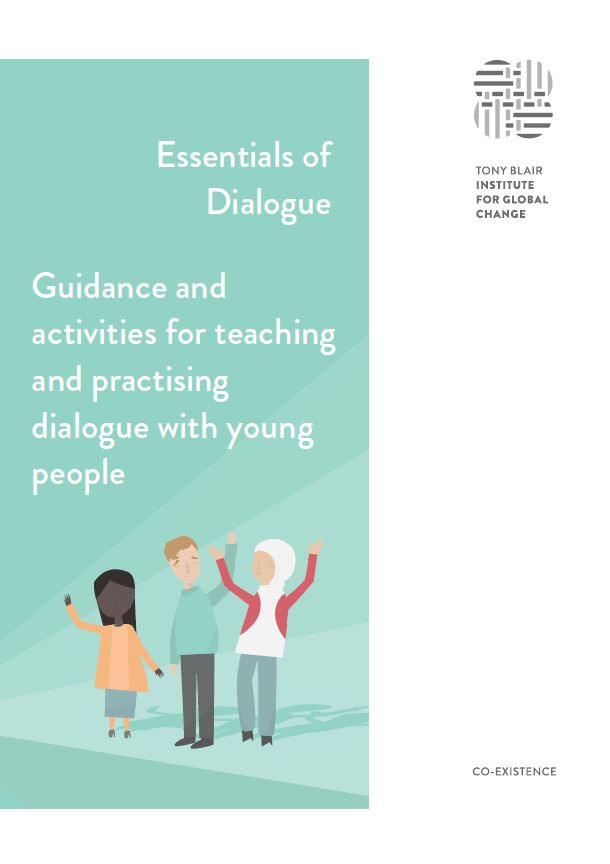 Essentials of Dialogue: Guidance and Activities for Teaching and Practising Dialogue with Young People 발행 연도: 2017 단체 저자: Generation Global Essentials of Dialogue is a teaching resource filled with activities for use in learning communities to build the core skills of dialogue and is foundational for any curriculum or programme centred around global citizenship and intercultural communication.Each chapter includes both theory and practical activities to help explore, develop, and practise dialogue. The resource is free to use all over the world. أساسيّات الحوار: مورد لمنح الطلاب الشباب من حول العالم مهارات وتجربة الحوار 발행 연도: 2016 단체 저자: Tony Blair Institute for Global Change يزود "أساسيات الحوار" المعلمين بمقدمة للتعلم القائم على الحوار ويوفر أنشطة مهمة لبناء المهارات الأساسية لبناء مهارات الحوار، سواء كان ذلك شخصيًا أو عن بُعد.يقدم هذا الدليل دروسًا قابلة للتكيف ويركز على المهارات الخمسة الأساسية للحوار، والملاحظات الموجزة، وخطوات إعداد الشباب للانخراط في الحوار بين الثقافات عبر الإنترنت لدعم تنمية المواطنة العالمية.
 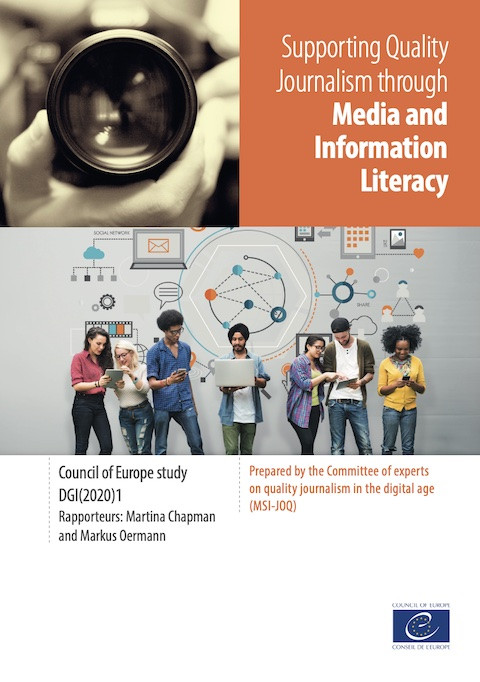 Supporting Quality Journalism Through Media and Information Literacy 발행 연도: 2020 저자: Martina Chapman | Markus Oermann 단체 저자: Council of Europe MIL - Media and Information Literacy used to be seen as the responsibility of the educational sector mostly targeting younger people in full-time education. This responsibility has to be extended to all stakeholders who are in a position to reach citizens of all age groups where they currently are and create new dissemination networks for MIL knowledge and skills.All relevant stakeholders, especially member states, need to recognise their own roles and responsibilities in relation to media literacy. They should be prepared to lead on, participate in, and fund MIL projects on a long-term basis.
  The Ultimate Dialogue Adventure: An Online Global Citizenship Game for Students Ages 13-17 단체 저자: Generation Global An interactive online platform that leads young people ages 13-17, through a game to learn the skills of intercultural dialogue and participate in forums focused on a variety of global topics and issues. The Ultimate Dialogue Adventure can be used as a self-directed learning journey for young people, or as an in-class companion for teachers, to support rigorous dialogue about a global topic or provide a place of practice when using our offline materials.
  Strengthening Democracy Is the Key to Preventing Far-Right Extremism 발행 연도: 2021 저자: Cynthia Miller-Idriss This article emphasizes that disinformation, misinformation and propaganda undermine democratic practices in ways that should be fought not only by trying to shrink or contain the extremist fringe, but also by strengthening democratic values and practices within the mainstream. It also highlights that it is critical to engage proactively and consistently in order to prevent further escalations in far-right extremism and interrupt violent radicalisation at early stages.
  Explained: What is False Information? 발행 연도: 2020 With so much information at our fingertips it can be easy to come across something online that isn’t quite as accurate or reliable as it should be. This kind of information is often called Fake News but a better description might be false information because it affects more than news stories. This animation, explaining false information, supports the education resource Connected - an introduction to digital media literacy.